

Unlocking Wealth: How the Top 0.1% Make Their Money
Introduction to Wealth Disparity
Layer One: Global Economic Overview
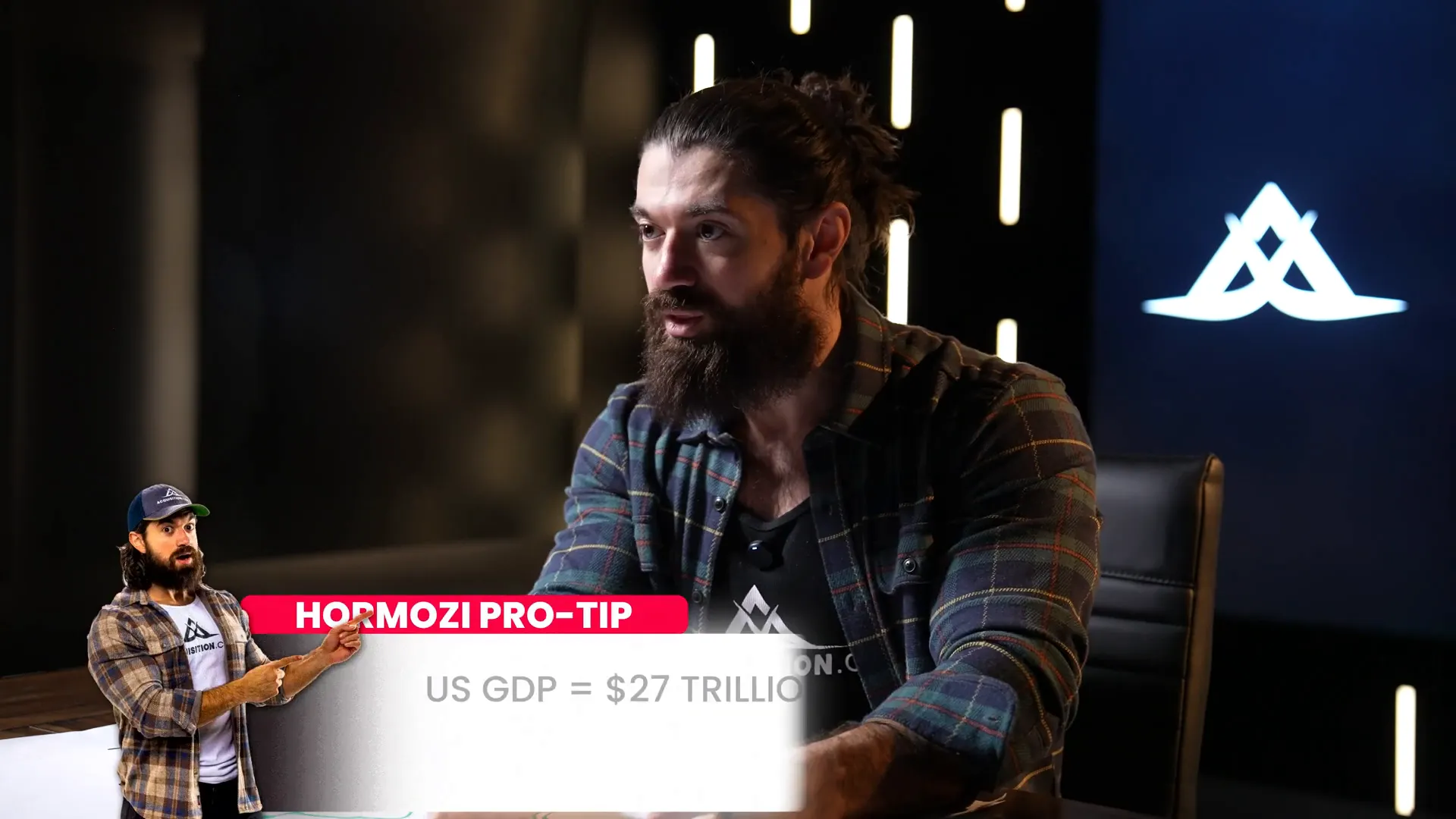
The global economy is a complex web of interactions between countries, industries, and individuals. A fundamental measure of a country's economic performance is its Gross Domestic Product (GDP) per capita. This metric provides insight into how much economic output is generated per person, allowing for a comparative analysis between nations.
First, let's look at the countries leading the pack. The United States, with the largest GDP, showcases how economic policies and investments can yield substantial returns. In contrast, nations like Tuvalu, which have the smallest GDP, illustrate the challenges faced by smaller economies. Understanding these disparities helps identify the economic levers that drive wealth creation.
Understanding GDP and Productivity
GDP per capita is not just a number; it reflects the overall productivity of a nation. When countries invest in critical areas like education and technology, they often see a direct correlation in their GDP growth. Take Singapore, for example. With a GDP per capita of $148,000, this nation has made significant investments in its workforce and technological infrastructure.
The key takeaway here is that productivity is not merely about the number of hours worked but the efficiency and effectiveness of that work. Countries that prioritize education and technology tend to outperform those that do not. This is a clear indicator of how investment in human capital translates into economic success.

The Role of Education in Wealth Creation
Education plays a pivotal role in bridging the wealth gap. It equips individuals with the skills necessary to thrive in a competitive economy. In nations where teaching is revered, such as Singapore, the outcomes are significantly better. Here, education is not just a stepping stone; it's a foundational element of economic strategy.
Moreover, the perception of educators as valuable contributors to society fosters a culture of respect and investment in teaching. When countries prioritize attracting and retaining quality educators, they cultivate an environment where innovation and productivity can flourish.

Technology’s Impact on Economic Value
Technology is a game-changer in the realm of economic value. It enhances productivity by allowing individuals to achieve more in less time. For instance, a simple conveyor belt can dramatically increase the output of a workforce. In contrast, without such technology, productivity is limited to manual capabilities.
Furthermore, technology not only amplifies existing skills but also lowers the barriers to entry for acquiring new skills. This democratization of knowledge enables individuals to leverage tools that enhance their capabilities, leading to greater economic contributions. Countries that embrace technological advancements often find themselves at the forefront of economic growth.
Layer Two: Individual Skills for Success
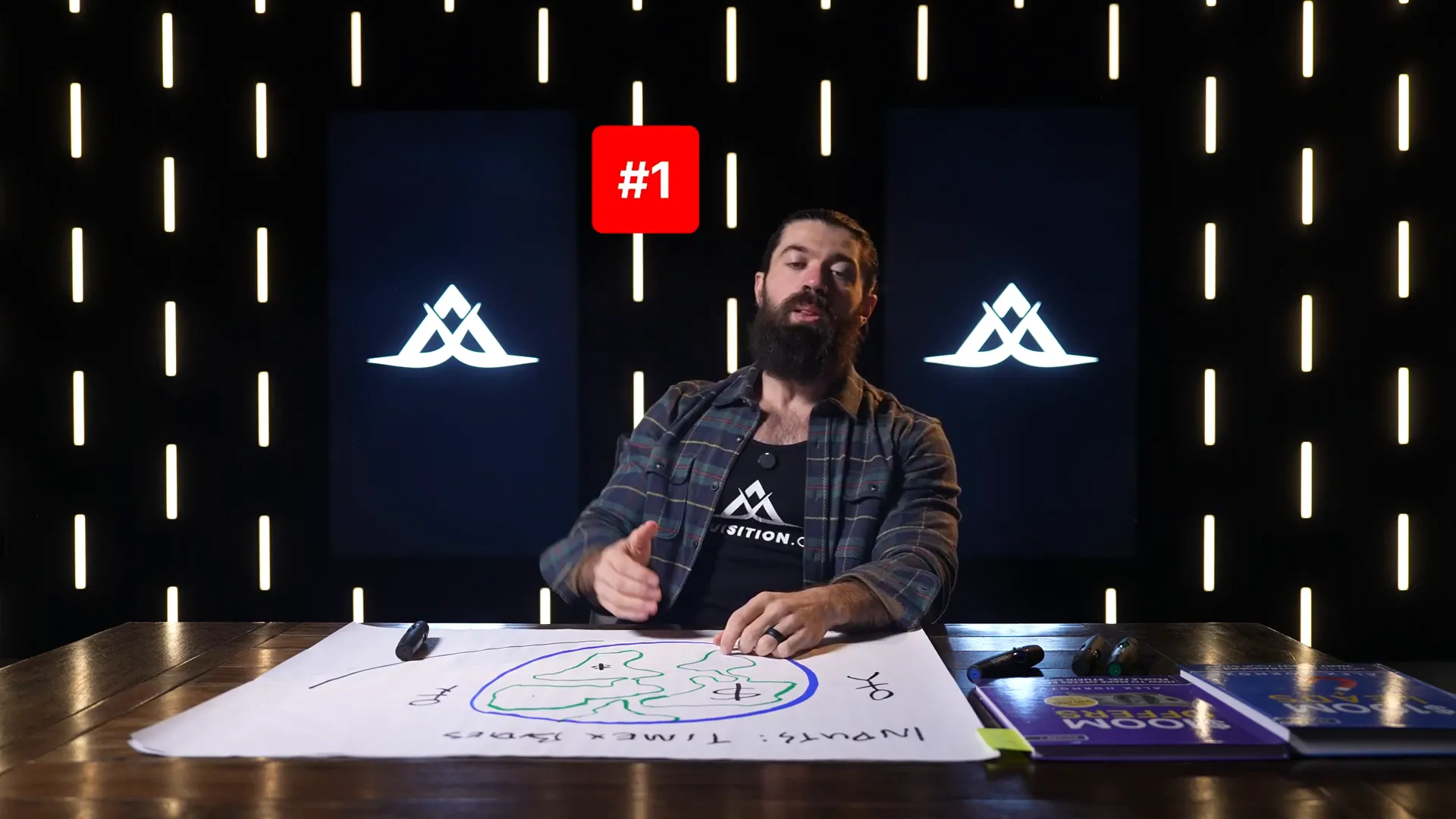
As we shift our focus to the individual level, it becomes clear that personal skills play a crucial role in wealth generation. The top 0.1% often possess a unique set of skills that enable them to thrive in competitive environments. These skills can be categorized into three main areas: building, selling, and leading.
Building involves creating products or services that fulfill market needs. Selling is about effectively communicating value to potential customers. Leading encompasses the ability to inspire and manage teams to achieve common goals. Mastery in these areas allows individuals to leverage their time and efforts for maximum economic impact.

In essence, wealth creation at the individual level is about leveraging skills to produce economic value. Those who can build innovative solutions, sell effectively, and lead teams will find themselves in a position to generate significant wealth. This framework is crucial for understanding how individuals can navigate their career paths in a way that aligns with broader economic trends.

The BSL Framework: Building, Selling, Leading
The BSL framework is a powerful model for understanding how individuals can achieve financial success. At its core, it consists of three essential skills: building, selling, and leading. Each of these skills plays a critical role in the wealth creation process.
Building involves the ability to create valuable products or services that meet market needs. This skill is foundational, as it lays the groundwork for the other two. Selling is about effectively communicating the value of what you've built to potential customers. Finally, leading is about guiding teams to execute the vision and achieve shared goals.

Building Skills: Creating Valuable Products
Building is the first step in the wealth creation journey. It begins with identifying problems that customers face and creating solutions for them. Successful builders think critically about how to address these problems in multiple ways, considering factors like personal attention, effort required, and the medium through which they deliver their solution.
A useful tool for this is the concept of the delivery Cube, which helps entrepreneurs visualize various approaches to problem-solving. By analyzing different aspects of their offerings, builders can create products that not only solve customer problems but also cater to different price points and consumer preferences.

Selling Skills: Communicating Value Effectively
Once a product is built, the next crucial step is selling it. Selling is not just about persuading someone to buy; it’s about shifting perceptions. A product can be the best on the market, but if potential customers are unaware of it or do not perceive its value, sales will suffer.
Effective selling strategies involve understanding the customer journey from awareness to purchase. This includes advertising, marketing, and promotional tactics that capture the attention of the target audience. A strong call-out technique, akin to a hook, is essential for grabbing attention in a crowded marketplace.

Leadership Skills: Guiding Teams to Success
Leadership is the third leg of the BSL framework. Effective leaders have the ability to inspire and guide teams, ensuring that everyone is aligned toward common objectives. Leadership is not merely about managing people; it’s about harnessing the diverse skills of individuals to achieve greater results.
Successful leaders understand that every new hire should contribute to either building or selling. If they do not, they risk becoming a liability rather than an asset. This is why leadership is often considered a meta-skill—it allows leaders to leverage the capabilities of their team to maximize business outcomes.

Layer Three: The Environmental Factor
While individual skills are crucial, they must operate within an environment that supports growth and success. The environmental factor includes the economic climate, industry trends, and societal influences that can either hinder or facilitate wealth generation.
For instance, during economic downturns, even the most skilled builders, sellers, and leaders may struggle to achieve success. Conversely, a thriving economy can create opportunities for innovation and expansion. Understanding the environmental context is essential for making informed decisions and capitalizing on available opportunities.

Investing Money: Buying and Lending Strategies
Investing is a critical component of wealth creation that goes beyond personal skills. It involves strategically allocating resources to generate returns over time. This can take many forms, including buying assets, lending money, or investing in businesses.
Effective investment strategies require a deep understanding of market dynamics and risk management. Investors must assess the potential returns against the associated risks, which can vary widely depending on the type of investment. By diversifying their portfolios and leveraging financial instruments, savvy investors can maximize their wealth while minimizing exposure to risk.

Risk as a Multiplier in Wealth Creation
Risk is an inherent aspect of wealth creation, especially for the top 0.1%. The willingness to embrace risk can significantly amplify potential returns. For instance, consider the case of Bill Gates. Had he chosen to continue investing heavily in Microsoft without diversifying, his net worth could have soared beyond a trillion dollars. However, his decision to diversify reduced his risk but also limited his potential returns on the assets he built through building, selling, and leading.
The key takeaway here is that risk serves as a multiplier. The more risk you are willing to take, the greater your potential rewards, provided you have the skills to build, sell, and lead effectively. This is where tools like GFunnel come into play. By utilizing GFunnel's all-in-one business ecosystem, you can strategize and manage risks more effectively, allowing you to capitalize on opportunities while minimizing potential downsides.

Understanding Risk Management
Effective risk management involves recognizing potential threats and opportunities. The top earners understand that calculated risks can lead to substantial rewards. This means not only taking risks but also managing them wisely. This encompasses diversifying investments, understanding market conditions, and leveraging technology to minimize exposure.
For example, with GFunnel, you can analyze data to identify trends and make informed decisions that balance risk and reward. By integrating such technology into your business practices, you can enhance your ability to navigate uncertainties in the market.

Investing in Yourself: The Best Return
The most significant investment you can make is in yourself. The skills and knowledge you acquire provide returns that no asset can match. Investing in yourself encompasses continuous learning, skill development, and personal growth. This is crucial for staying competitive in an ever-evolving economic landscape.
When you invest in your skills—be it through courses, workshops, or mentorship—you equip yourself with tools to build, sell, and lead effectively. In fact, leveraging platforms like GFunnel can facilitate this process by providing resources and training that enhance your capabilities.

The Value of Lifelong Learning
Lifelong learning is essential in today's fast-paced world. The top 0.1% prioritize continuous education, understanding that knowledge is power. This commitment to self-improvement allows them to adapt to changing market dynamics and seize new opportunities.
Through GFunnel, you can access a wealth of educational resources designed to sharpen your skills. Whether it's mastering new technologies or improving your sales techniques, investing time and resources into your development pays dividends in your career and financial success.

Integrating Technology into Business Practices
Incorporating technology into your business practices is no longer optional; it's essential for survival and growth. The top earners leverage technology to streamline operations, enhance productivity, and scale their businesses. This integration allows for more efficient workflows and better decision-making.
For instance, utilizing tools like GFunnel can automate various aspects of your business, from marketing to sales tracking. This not only saves time but also enables you to focus on higher-level strategic decisions that drive growth.

Leveraging Technology for Competitive Advantage
Technology can provide a substantial competitive edge. By automating repetitive tasks, businesses can allocate resources more effectively and respond to market changes swiftly. Moreover, data analytics tools help in understanding customer behavior, refining marketing strategies, and improving product offerings.
GFunnel's ecosystem allows you to harness this technology effectively. By analyzing data and automating processes, you not only increase efficiency but also enhance your ability to make informed decisions that drive profitability.

Conclusion: Embracing the Mindset of the 0.1%
To achieve wealth reminiscent of the top 0.1%, it's crucial to embrace a mindset centered on risk-taking, continuous learning, and technological integration. Understanding that risk can serve as a multiplier for your efforts is paramount. Additionally, investing in yourself and leveraging technology can significantly enhance your wealth creation strategy.
By adopting these principles and utilizing tools like GFunnel, you can position yourself for success in the competitive landscape. Remember, wealth is not just about having money; it's about having the knowledge, skills, and strategies to multiply it effectively.

Made with VideoToBlog