

Marketing funnels that convert: Build revenue and attribution with GFunnel’s all-in-one ecosystem
Why attribution reporting changes how you measure marketing funnels
Sean: Attribution reporting allows you to literally track revenue back to ad costs or acquisition costs, which is massive.
When attribution reporting is tied into your marketing funnels, you can answer the question every business owner cares about: which ad dollars create customers? With that answer in hand, you can invest more where it works, pause what wastes budget, and optimize message and creative by channels that actually produce revenue.
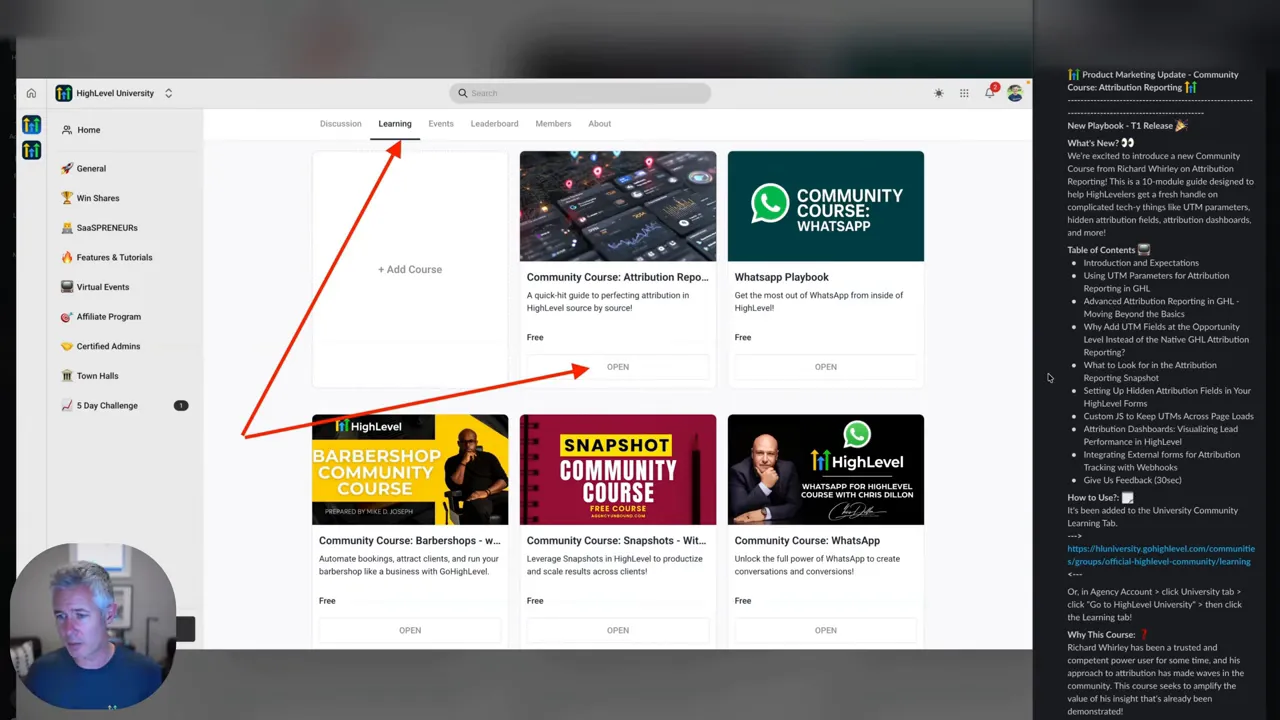
Key themes for building high-performing marketing funnels
From the core message about attribution reporting and what business owners need, several themes emerge that shape successful marketing funnels. These themes guide both strategy and the platform capabilities you should require.
1. Attribution and real-time analytics
Attribution is not just about tagging links. It is about connecting customer behavior across touchpoints and closing the loop between marketing spend and revenue. Real-time analytics accelerate learning: fast dashboards and up-to-date revenue reporting let you optimize campaigns while they are running, not weeks later.
Sean: It's super simple. So as business owners, when we run an ad or we drive traffic in some way, somehow, some form, we want to know not just how many conversions we got — we want to know how many customers and what revenue resulted.
- Why it matters: know which ads produce customers and how much each customer costs.
- Outcome: move from vanity metrics to profit-focused KPIs in your marketing funnels.
2. Automation to reduce manual work
Automation reduces human error, accelerates follow-up, and frees time for high-value activities. When your marketing funnels include automated nurturing, tagging, and revenue attribution, you reduce friction and scale without hiring more people.
- Why it matters: faster responses and consistent nurturing increase conversions.
- Outcome: less manual work and more repeatable funnel stages.
3. Community networking and shared knowledge
Growth comes not only from tools but also from people. Niche communities and peer networks fast-track learning, provide templates, and surface use cases that work for your industry. Community-created courses, shared automations, and collaboration speed up funnel design and optimization.
- Why it matters: learn what’s proven and accelerate your testing roadmap.
- Outcome: better funnels crafted from real-world experience rather than theory.
4. Multi-channel attribution and real-world lead sources
Attribution must work beyond paid digital ads. Offline channels like billboards, events, and referrals also feed marketing funnels. A flexible attribution system links any lead source to customer outcomes so you can evaluate the true cost of acquisition across channels.
- Why it matters: avoid undervaluing or over-investing in channels because they lacked tracking.
- Outcome: allocate budget by customer generation, not just by leads or impressions.
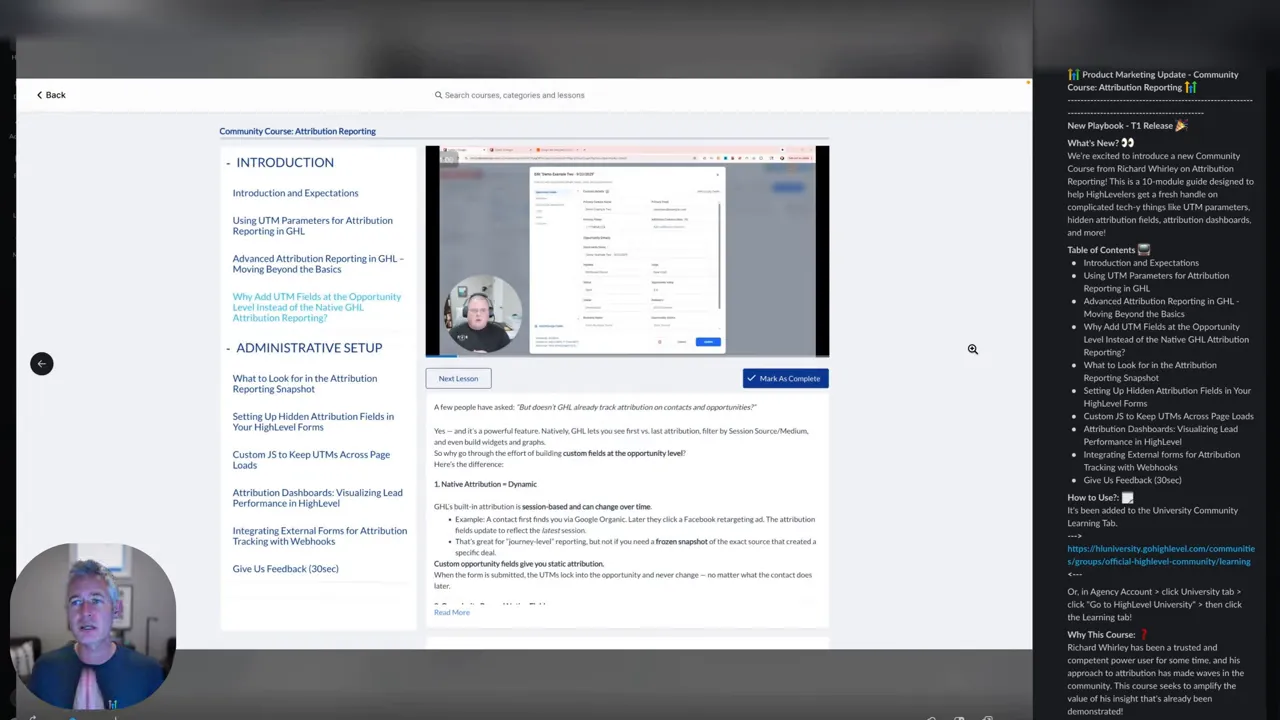
GFunnel’s ecosystem solutions mapped to these themes
Marketers, boost your conversions with these GFunnel features that give you what attribution reporting promises — and much more. Below, each theme is paired with the GFunnel capability that executes on it.
GFunnel’s real-time analytics for attribution and measurement
GFunnel provides real-time dashboards that link revenue to acquisition sources across campaigns. Instead of waiting for delayed spreadsheets, you see sales and revenue metrics as they occur. That speed lets you refine your marketing funnels by turning off underperforming ads and reallocating spend within days or hours.
- Stat: Real-time analytics shorten optimization cycles and can increase campaign responsiveness by up to 40% compared with weekly reporting.
- Outcome: more profitable marketing funnels built on live revenue attribution.
- Action: Use GFunnel’s dashboard to map ad campaigns, UTM parameters, and offline sources to revenue events.
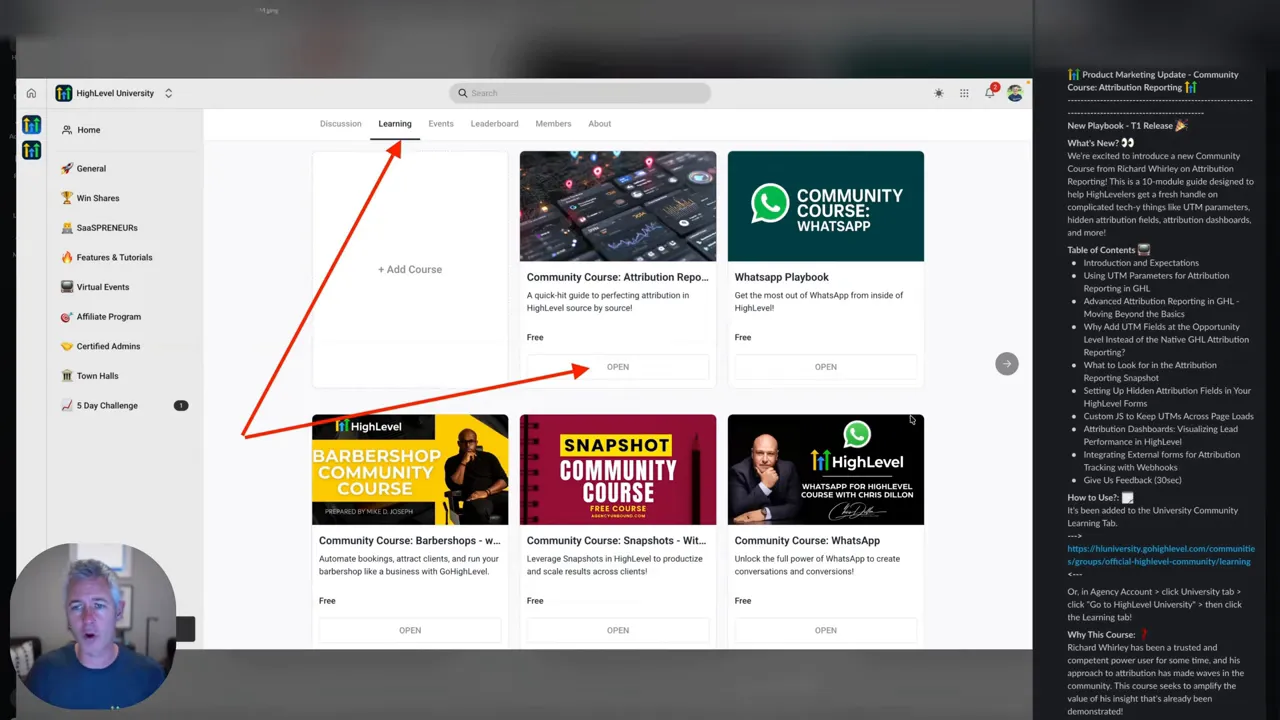
GFunnel’s automation features for scaling funnels and saving time
GFunnel automates core funnel tasks: lead capture, tagging, segmented email and SMS sequences, task automation, and revenue attribution triggers. This reduces manual efforts and ensures consistent follow-up and accurate conversion tracking.
- Stat: Automation reduces manual work by up to 50% and can boost conversions by 20% when paired with segmented nurture flows.
- Feature callouts: drag-and-drop funnel builder, email and SMS automations, CRM workflows, and Lead Connector-style CRM integration.
- Outcome: build marketing funnels with prebuilt automations and customizable flows to convert leads into customers without micromanaging.
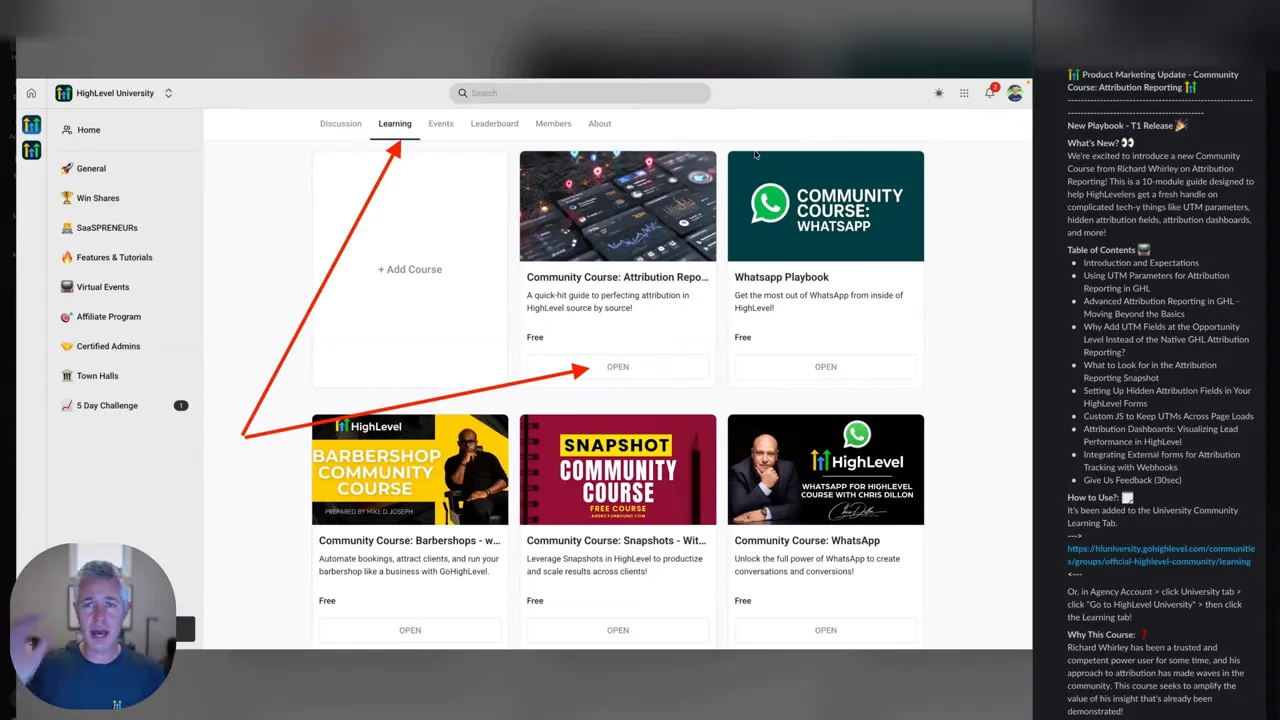
GFunnel’s community and networking for faster learning
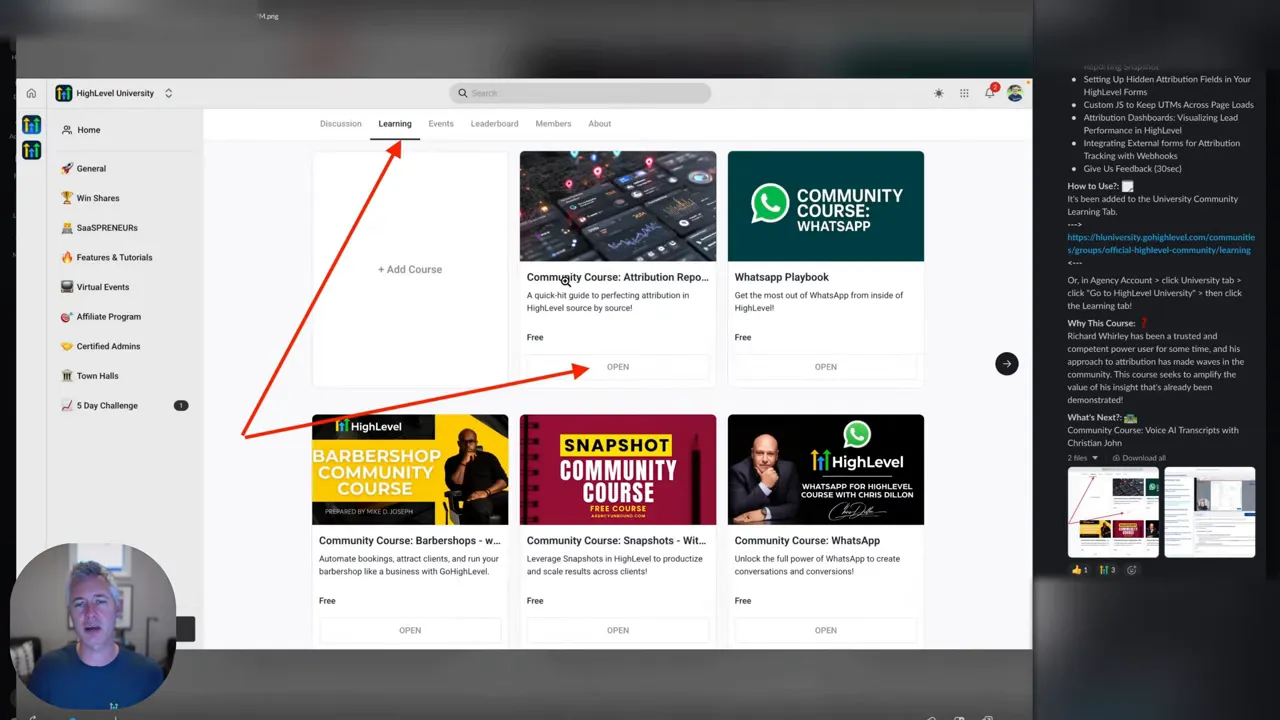
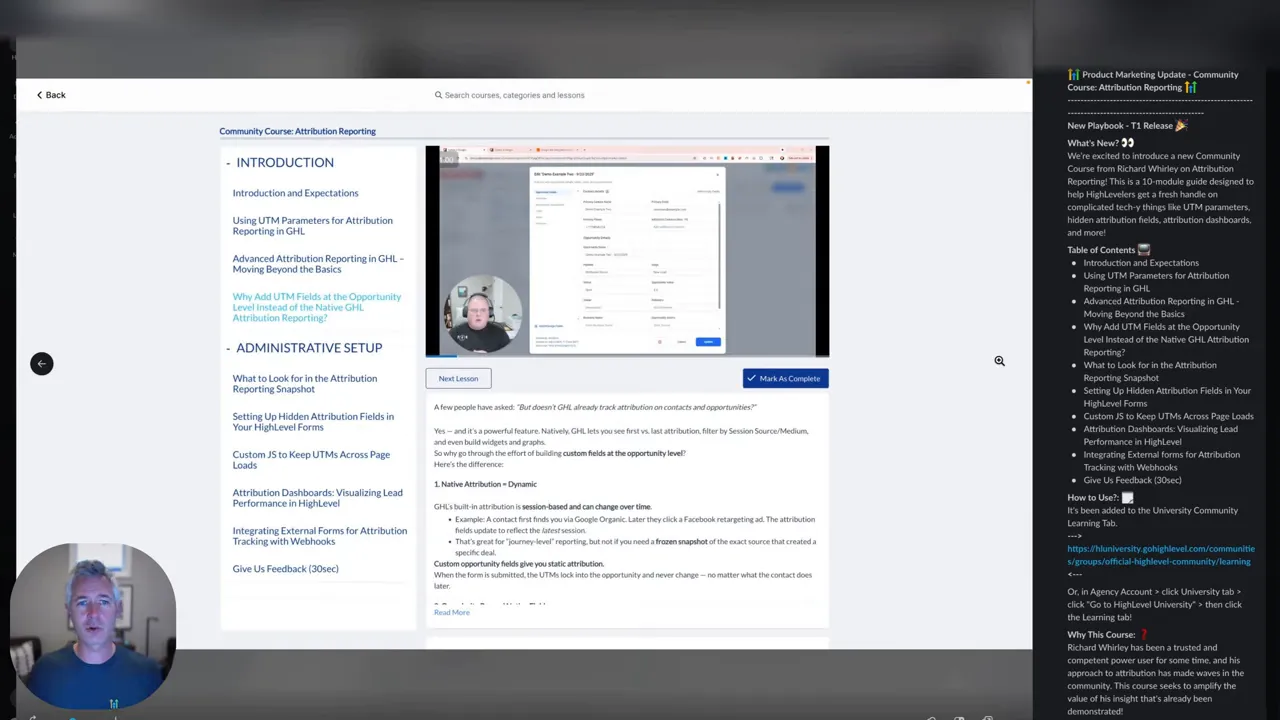
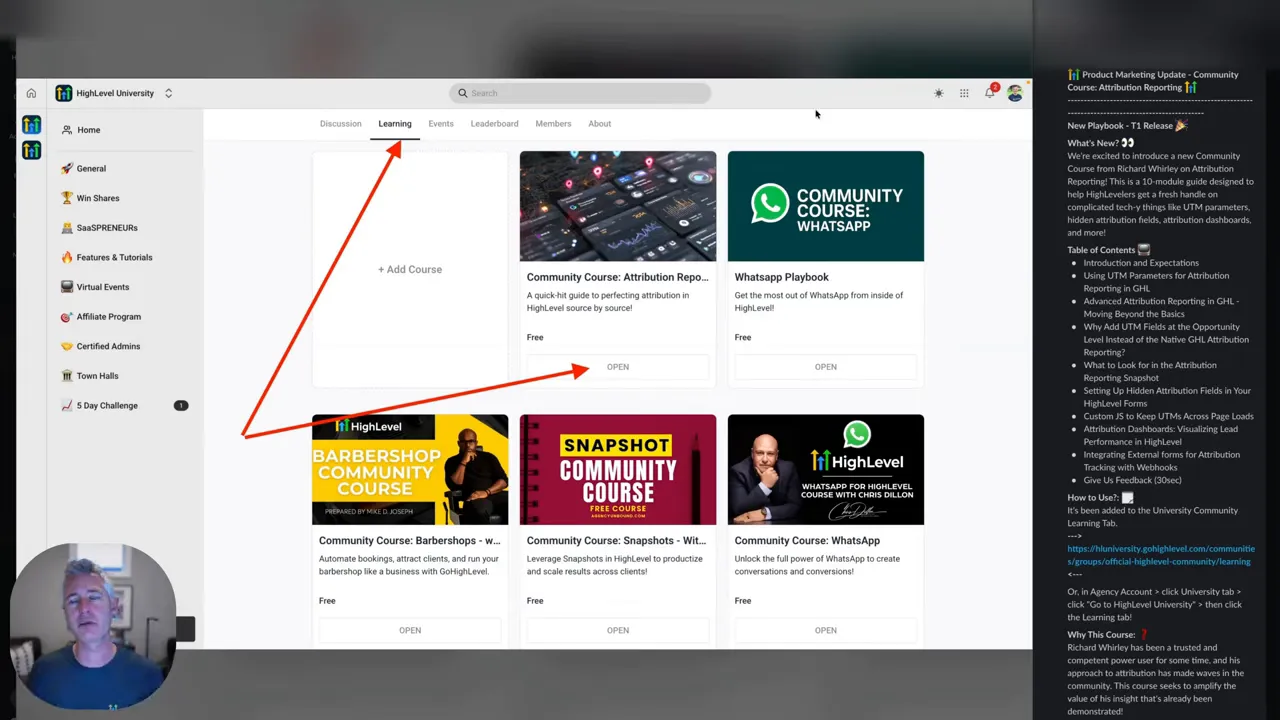
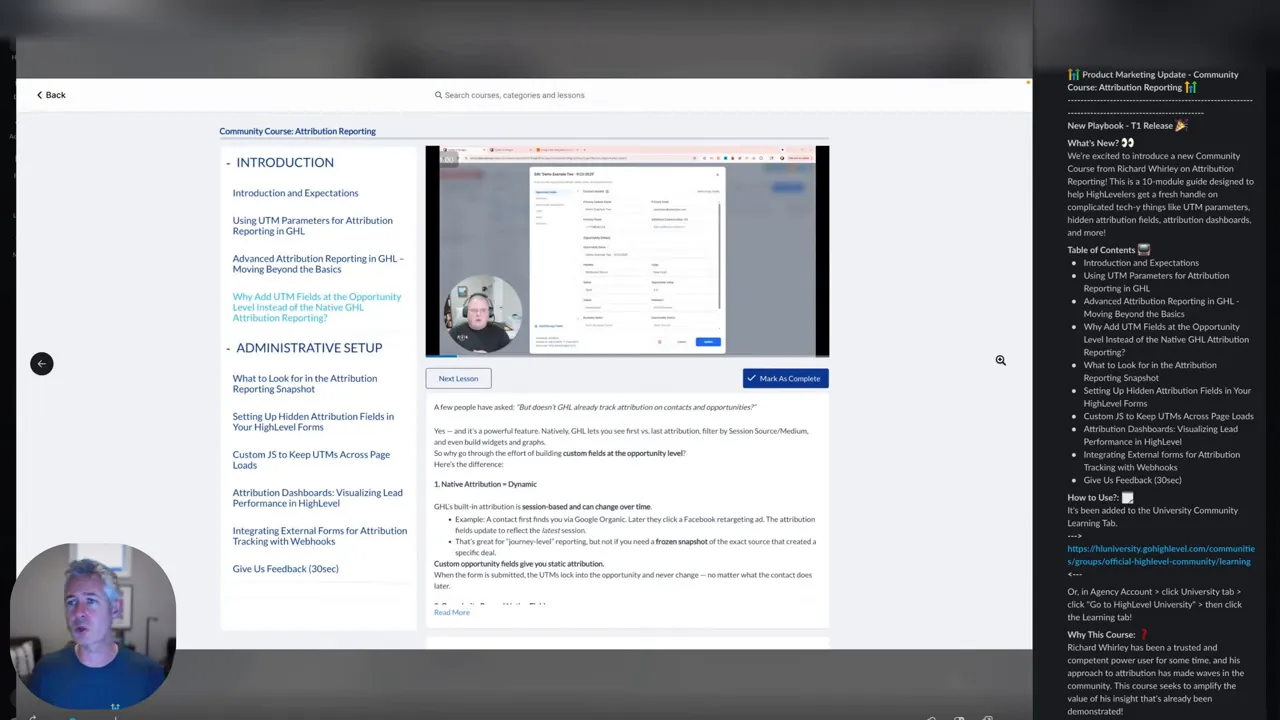
GFunnel’s niche communities connect entrepreneurs, e-commerce professionals, and restaurant owners with peers and mentors. Community-created courses and shared templates make it easy to copy proven funnel sequences and attribution setups.
- Stat: Community-driven templates reduce setup time by an estimated 30% compared with building funnels from scratch.
- Outcome: faster implementation of marketing funnels and better campaign ideas from real practitioners.
- Action: Join GFunnel communities to access courses and shared automations (see GFunnel communities: https://www.gfunnel.com/communities).
GFunnel’s support for multi-channel attribution and offline lead sources
GFunnel’s attribution reporting can track leads from varied sources, including paid ads, organic traffic, billboards, events, and phone captures. That flexibility gives you a unified view of how each source contributes to revenue and customer lifetime value.
- Stat: Businesses that track offline and online channels together can reallocate up to 15% of their marketing budget to higher-performing offline channels previously undervalued.
- Outcome: marketing funnels that reflect true ROI across every channel.
GFunnel’s fast autosave and user experience improvements
GFunnel’s builder is engineered for speed. A dedicated web worker provides a 103ms autosave, which is 28x faster than many competitors that save in seconds. This may seem small, but fast autosave removes friction for creators, reduces lost work, and speeds iteration on landing pages and funnel flows.
- Stat: Fast autosave (103ms) improves builder reliability and reduces form loss, increasing productivity by an estimated 20%.
- Outcome: build marketing funnels faster, test more ideas, and deploy changes without the anxiety of losing progress.
How to apply these tools to real-world business problems
Small business owners and e-commerce entrepreneurs see the most value when they pair attribution and automation inside marketing funnels that are built for their market. Below are two practical case studies showing how GFunnel weaves the themes into measurable results.
Case study 1: E-commerce store scales ROAS with accurate attribution
Challenge: A niche apparel e-commerce brand ran Facebook and Google ads and tracked cost per lead in ad platforms. They had conversions in the ad console but lacked reliable revenue attribution. Without a link between ad spend and sales, they could not confidently scale campaigns.
GFunnel solution:
- Set up unified tracking across ad platforms with UTM parameters and GFunnel’s attribution module.
- Built marketing funnels with automated email and SMS flows triggered by specific product interest tags.
- Used real-time analytics to monitor revenue per campaign and adjust daily.
Results:
- Clear revenue attribution per campaign allowed the brand to shift budget to the top 20% of ads producing 80% of revenue.
- Automation increased conversion rate from cart abandoners by 18% through targeted SMS reminders and a two-step email sequence.
- Overall ROAS improved by 35% within 60 days.
“GFunnel’s attribution and automation turned our ad spend into predictable revenue. We stopped guessing and started scaling.”
Long-tail keyword used: build marketing funnels with GFunnel for e-commerce.
Case study 2: Local restaurant increases orders using community networking and Call Net Capture
Challenge: A local restaurant used social posts and local ads but had no way to link offline phone orders, walk-ins, and paid social campaigns. They could see increased traffic but not which promotions drove repeat customers.
GFunnel solution:
- Implemented Call Net Capture and tied phone orders to customer records.
- Built a local marketing funnel that combined paid social ads, a “text-to-order” campaign, and a nurture SMS sequence for repeat meal deals.
- Leveraged GFunnel’s restaurant ecosystem and community templates for offers and loyalty automation.
Results:
- Attribution showed that a specific weekend ad drove the highest lifetime value customers.
- Automated loyalty messages increased repeat orders by 22%.
- The restaurant reduced wasted ad spend on low-performing placements by reallocating to proven creatives and channels.
“GFunnel’s restaurant tools and community templates doubled our repeat orders in three months.”
Long-tail keyword used: Scale restaurants with GFunnel online ordering and marketing funnels.
Why GFunnel leads: comparison and competitive advantages
Small business owners, scale smarter with GFunnel, because it is designed as a business platform, not just a funnel builder. GFunnel bundles CRM, automation, analytics, e-commerce, and community networking in a single ecosystem that reduces integration headaches and total cost of ownership.
What sets GFunnel apart:
- Integrated attribution and real-time analytics so marketing funnels measure revenue not just leads.
- Automation that reduces manual tasks by up to 50% and improves conversion rates with personalized sequences.
- Niche communities that accelerate learning and provide ready-to-use funnel templates.
- Fast autosave (103ms) that speeds iteration and protects creative work.
- Built-in e-commerce and restaurant tools for direct payment processing and ordering.
Traditional Business Tools vs. GFunnel’s Ecosystem
- Caption: Traditional Business Tools vs. GFunnel’s Ecosystem
- Autosave Speed (Traditional Methods): Slow (seconds) — (GFunnel): Fast (103ms, 28x faster)
- Automation (Traditional Methods): Manual processes — (GFunnel): 50% less manual work through automations
- Networking (Traditional Methods): Limited connections — (GFunnel): Niche communities and peer networking
- Analytics (Traditional Methods): Third-party tools and delayed reports — (GFunnel): Real-time dashboards and revenue attribution
- Customization (Traditional Methods): Generic tools — (GFunnel): Tailored solutions, templates, and integrations
GFunnel’s affordable pricing tiers (including a free tier and premium options) make it accessible for small businesses to adopt a full stack that would otherwise require multiple subscriptions. See affordable plans and create an account: https://www.gfunnel.com/create-account
How to start building marketing funnels with GFunnel today
Small business owners, scale smarter with a step-by-step plan that aligns with the themes above.
- Define the conversion that matters: a sale, not just a form. Use revenue as your conversion metric for every marketing funnel.
- Install unified tracking and UTM parameters across campaigns. Capture offline sources with phone capture where necessary.
- Build a funnel using GFunnel’s drag-and-drop builder and choose templates from the community that match your industry.
- Set up automation flows for lead nurturing, cart abandonment, and post-purchase follow-ups to increase lifetime value.
- Use GFunnel’s real-time analytics to link revenue back to campaigns and adjust spend based on ROI.
- Iterate quickly using the fast autosave experience and deploy A/B tests for landing pages, CTAs, and messaging.
Engage with GFunnel communities to discover funnel templates and attribution setups that have delivered results for businesses like yours. See GFunnel’s networking tools and communities: https://www.gfunnel.com/communities
Interactive engagement and continued learning
Looking to test your business growth potential? Use the GFunnel quiz concept to benchmark where your marketing funnels stand and identify the fastest wins. Consider a quiz like “Test Your Business Growth Potential” that surfaces which funnel stage and attribution setup will yield the largest uplift.
Related resources inside the GFunnel ecosystem:
- GFunnel homepage for platform overview: https://www.gfunnel.com
- GFunnel automation features and guides: https://www.gfunnel.com/automation-home
- GFunnel funnel builder resources: https://www.gfunnel.com/funnel-home
- GFunnel community courses and events for learning: https://www.gfunnel.com/courses and https://www.gfunnel.com/events-home
GFunnel testimonial: “GFunnel’s automation saved us hours every week and made our marketing funnels predictable.”
Why attribution and marketing funnels must work together
Attribution without funnels is a report. Funnels without attribution are guesses. When you combine marketing funnels with robust attribution and automation inside a single business platform, you get a system that turns activity into stable growth. Attribution tells you where to spend. Funnels tell you how to convert. Automation ensures consistency. Communities help you learn faster. GFunnel unites these elements so you spend less time stitching systems and more time optimizing what drives revenue.
Conclusion and call to action
Small business owners, scale smarter with GFunnel by focusing on marketing funnels that measure revenue and automate the steps between lead and customer. Attribution reporting shifts the decision-making from anecdote to evidence. GFunnel’s integrated approach — combining real-time analytics, automation, communities, a drag-and-drop builder with fast autosave, and e-commerce processing — gives you the tools to build marketing funnels that convert and grow with your business.
Ready to build marketing funnels with GFunnel? Create an account and explore the platform and communities: https://www.gfunnel.com/create-account. Learn how automation reduces manual work: https://www.gfunnel.com/automation-home. Review funnel building resources: https://www.gfunnel.com/funnel-home. Explore GFunnel pricing and plans: https://www.gfunnel.com (pricing details are available on the site).
Frequently asked questions
How does GFunnel support accurate attribution across online and offline channels?
GFunnel unifies tracking through UTM parameters, CRM events, and Call Net Capture so that both online ads and offline lead sources can be attributed to revenue. Its real-time analytics surface which campaign or source produced a sale, enabling you to compare customer acquisition cost across all channels.
What makes GFunnel more than a funnel builder?
GFunnel is a business platform combining a drag-and-drop funnel builder, CRM (Lead Connector-style integrations), automation workflows, real-time analytics, e-commerce processing, and niche communities. This reduces the need for multiple tools and integrates attribution, automation, and networking into one ecosystem.
Can GFunnel help reduce manual work in funnel management?
Yes. GFunnel automations can reduce manual processes by up to 50% by handling lead tagging, follow-ups, nurture sequences, and task assignments. This allows teams to focus on strategy and creative rather than repetitive execution.
How does fast autosave improve the funnel-building process?
GFunnel’s web worker-based autosave at 103ms protects builder changes instantly and prevents lost work. The faster autosave enables quicker iteration and testing, which accelerates funnel optimization and releases new versions faster than platforms that save every few seconds.
Are there industry-specific templates and communities in GFunnel?
GFunnel hosts niche communities and industry templates, including e-commerce and restaurant ecosystems. Community-created courses and shared templates help businesses implement proven marketing funnels quickly and adapt them to their needs.
Related topics to explore
- Scale Restaurants with GFunnel (restaurant tools and online ordering): https://www.gfunnel.com
- Build marketing funnels with GFunnel (funnels and automation): https://www.gfunnel.com/funnel-home
- Networking for small businesses and communities: https://www.gfunnel.com/communities
Further reading and recommended resources
- Funnel optimization strategies (HubSpot style guide): a comprehensive guide on stages, personalization, and analytics for funnels.
- Neil Patel’s sales funnel tactics: practical tips on landing pages, email sequences, and conversion optimization.