

Marketing funnels for scaling: How GFunnel turns one-to-many webinars and templates into growth engines
Outline
- Introduction: Why marketing funnels and one-to-many webinars matter
- Video insights: Key themes for business success
- GFunnel’s ecosystem solutions mapped to each theme
- Real-world applications: Two case studies
- Why GFunnel leads vs. traditional tools
- Conclusion and call to action
- FAQs
Introduction: Marketing funnels, GFunnel, and the modern agency approach
Marketing funnels are the structured paths you build to turn strangers into buyers. When done right, they reduce friction, increase conversions, and scale your outreach. Agency owners who are tired of repeating the same one-on-one sales process can multiply their impact by adopting one-to-many strategies like webinars. Webinars allow you to deliver consistent messaging to dozens, hundreds, or thousands of prospects at once—and with the right funnel, every attendee becomes a tracked, nurtured lead.
GFunnel is positioned as the comprehensive business platform that supports this transition. Rather than treating your webinar funnel as an isolated asset, GFunnel combines the funnel builder, CRM (Lead Connector), automation, analytics, and community networking into an all-in-one system. This unified approach shortens the path from lead generation to conversion and customer lifetime value.
Key advantages at a glance:
- Build marketing funnels quickly with templates and a drag-and-drop funnel editor.
- Reduce manual work with automation features that can cut repetitive tasks by up to 50%.
- Track performance in real time with dashboards that reveal drop-offs and wins.
- Leverage community networking to amplify reach and learn from peers and mentors.
- Trust a modern editor with a fast autosave (103ms) to keep your work safe and responsive.
HighLevel summed it up succinctly:
HighLevel: "If you're an agency owner and you're tired of taking one on one sales calls, then a one to many sales approach using webinars might just be the solution for you."
That idea is the seed of a larger growth system—and GFunnel supplies the soil, tools, and irrigation.
Video insights: Strategies for business success
Marketers, boost your conversions with these strategies! The video walkthrough highlights how to set up an on-demand webinar funnel and how agency owners can manage templates across subaccounts. From that simple flow we extract broader themes that underpin successful marketing funnels and scalable business operations.
Theme 1 — Automation and reduced manual work
Automation is front and center: the video emphasizes choosing a form to capture attendee data, uploading the webinar video, and using templates so you don’t rebuild each funnel from scratch. That’s the essence of automation—repeatable steps triggered by defined events.
HighLevel: "Using our easy webinar templates, you can get your webinar set up in record time with easy customization and reduced manual work."
Why automation matters for your marketing funnels:
- It saves time—especially when you scale to multiple products, niches, or client subaccounts.
- It ensures consistency—every prospect receives the same high-quality experience.
- It enables follow-up sequences that convert—automated emails, SMS, and tasks keep prospects moving through the funnel.
Stat: automation can reduce repetitive operational time by roughly 50% for common funnel workflows. This frees your team to iterate on messaging and strategy instead of repetitive setup.
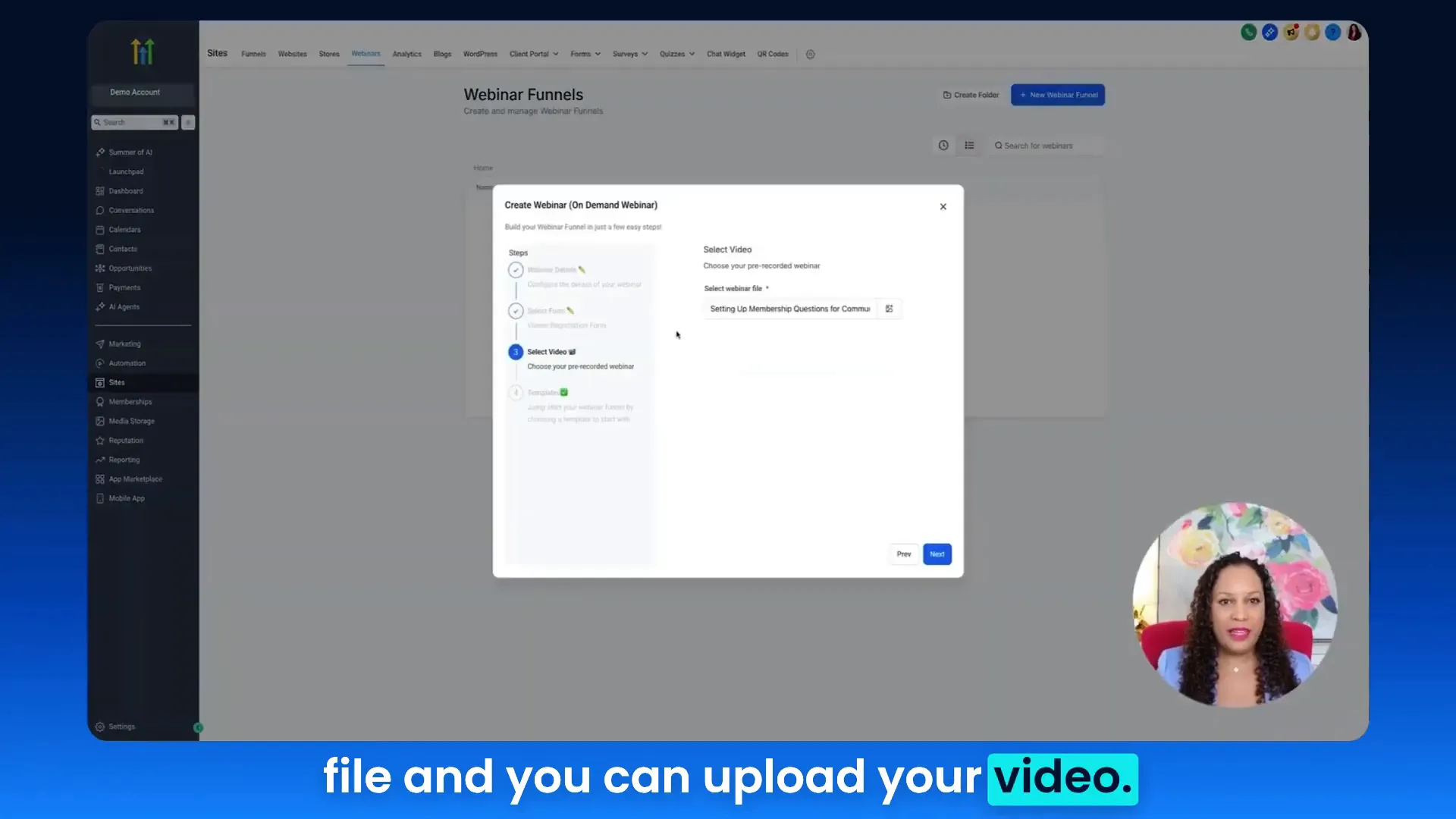
Theme 2 — Templates, speed, and scalability
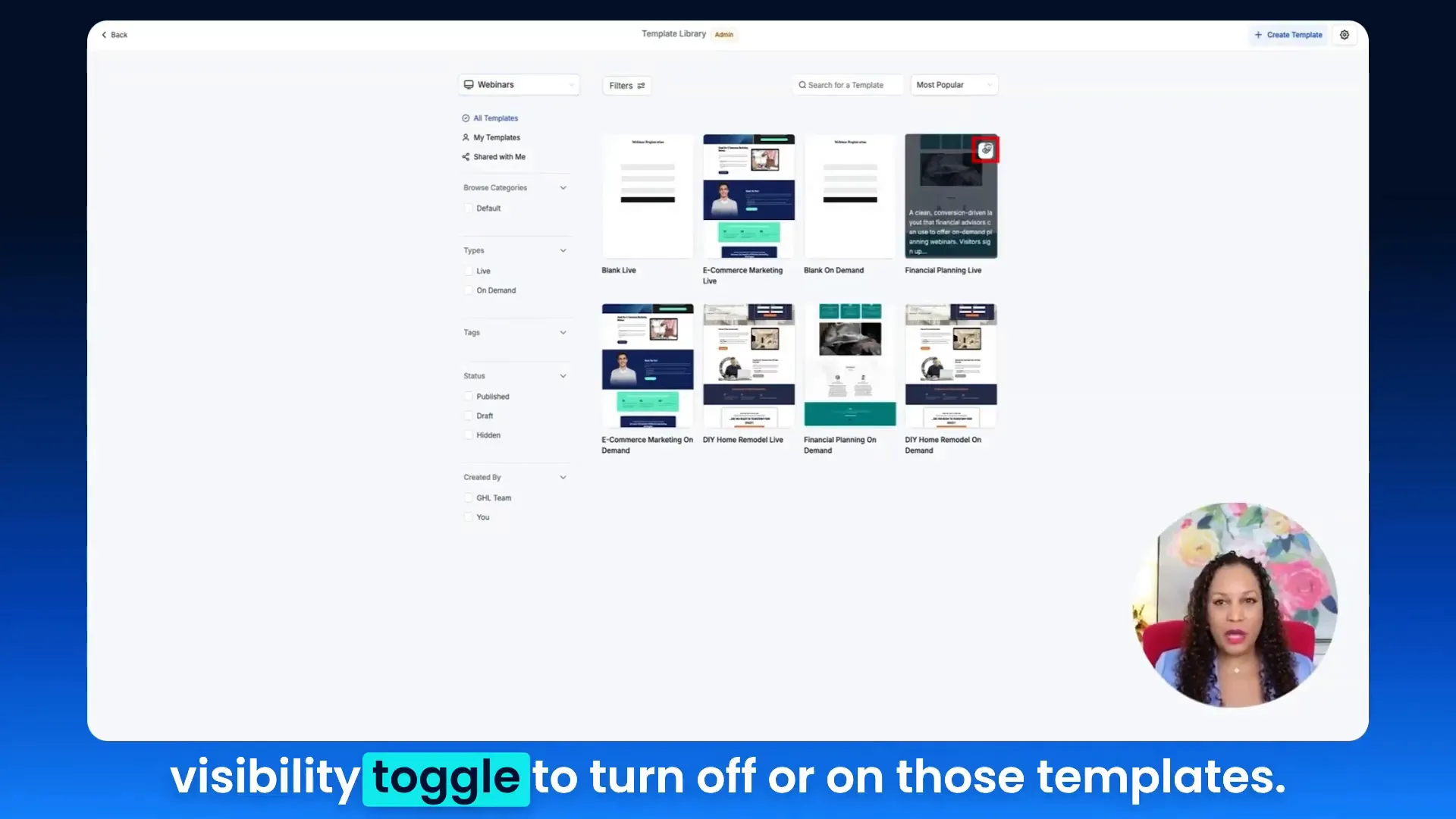
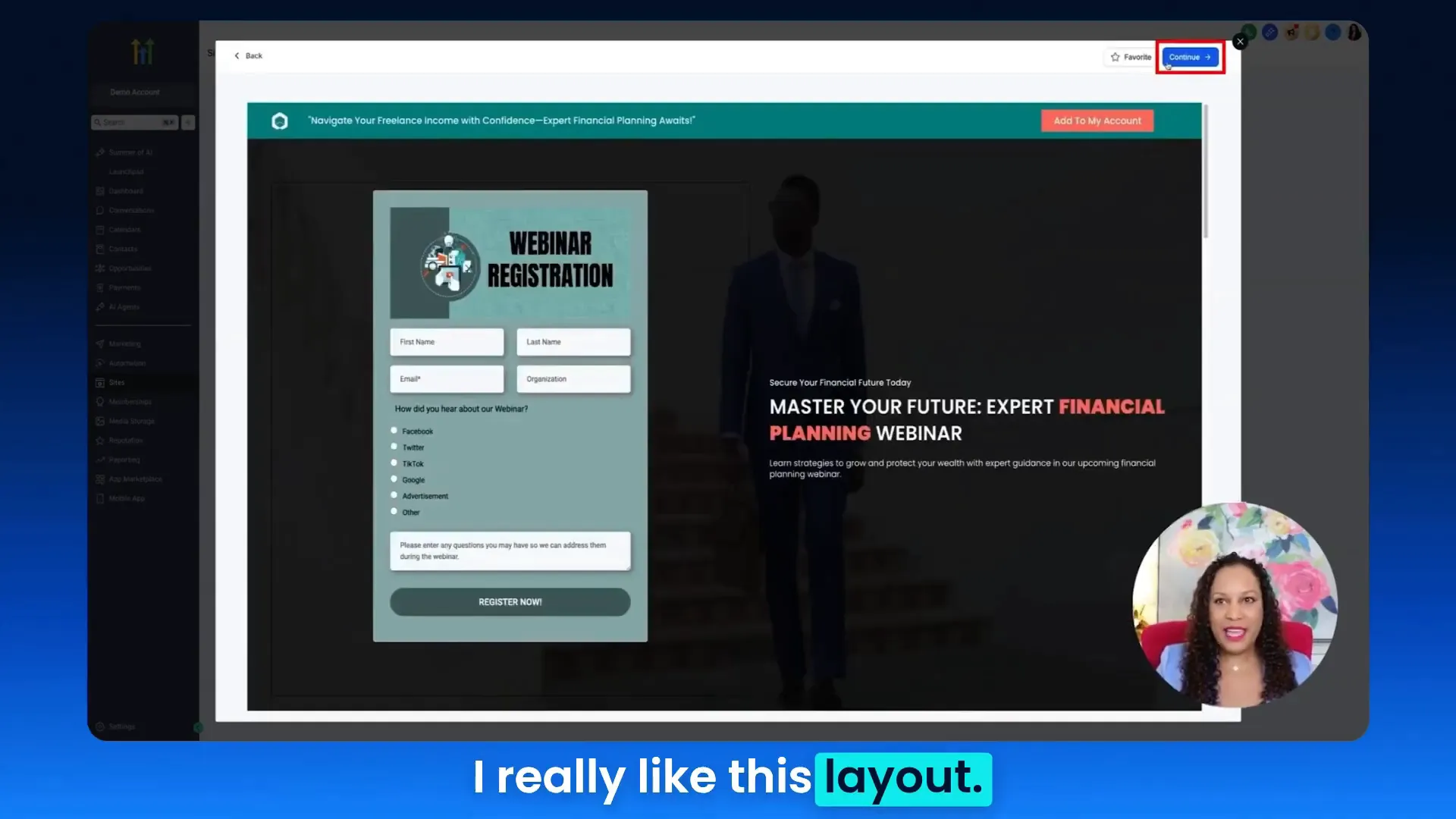
Selecting prebuilt webinar templates accelerates launch time dramatically. The walkthrough shows selecting a financial planning on-demand template and previewing it before adding it to the funnel. Templates act as the reusable building blocks of marketing funnels.
Templates matter because they:
- Lower the technical barrier for users and clients.
- Maintain brand consistency across campaigns.
- Enable agencies to white-label and distribute funnels to subaccounts quickly.
Stat: using templates can slash time-to-launch by 70% compared to building from scratch, making them ideal for agencies that must roll out dozens of funnels across clients and campaigns.
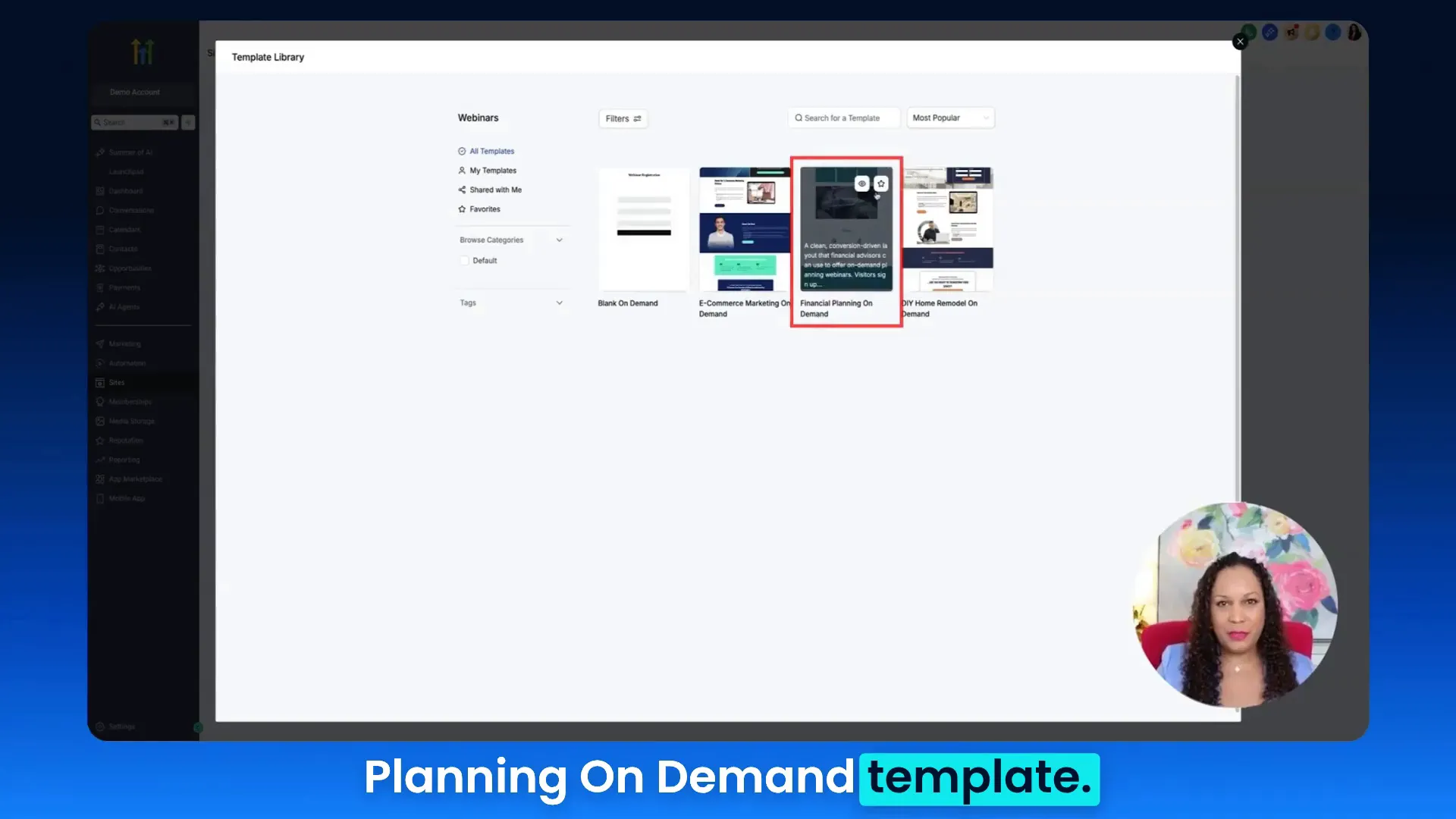
Theme 3 — Personalization through forms and customization
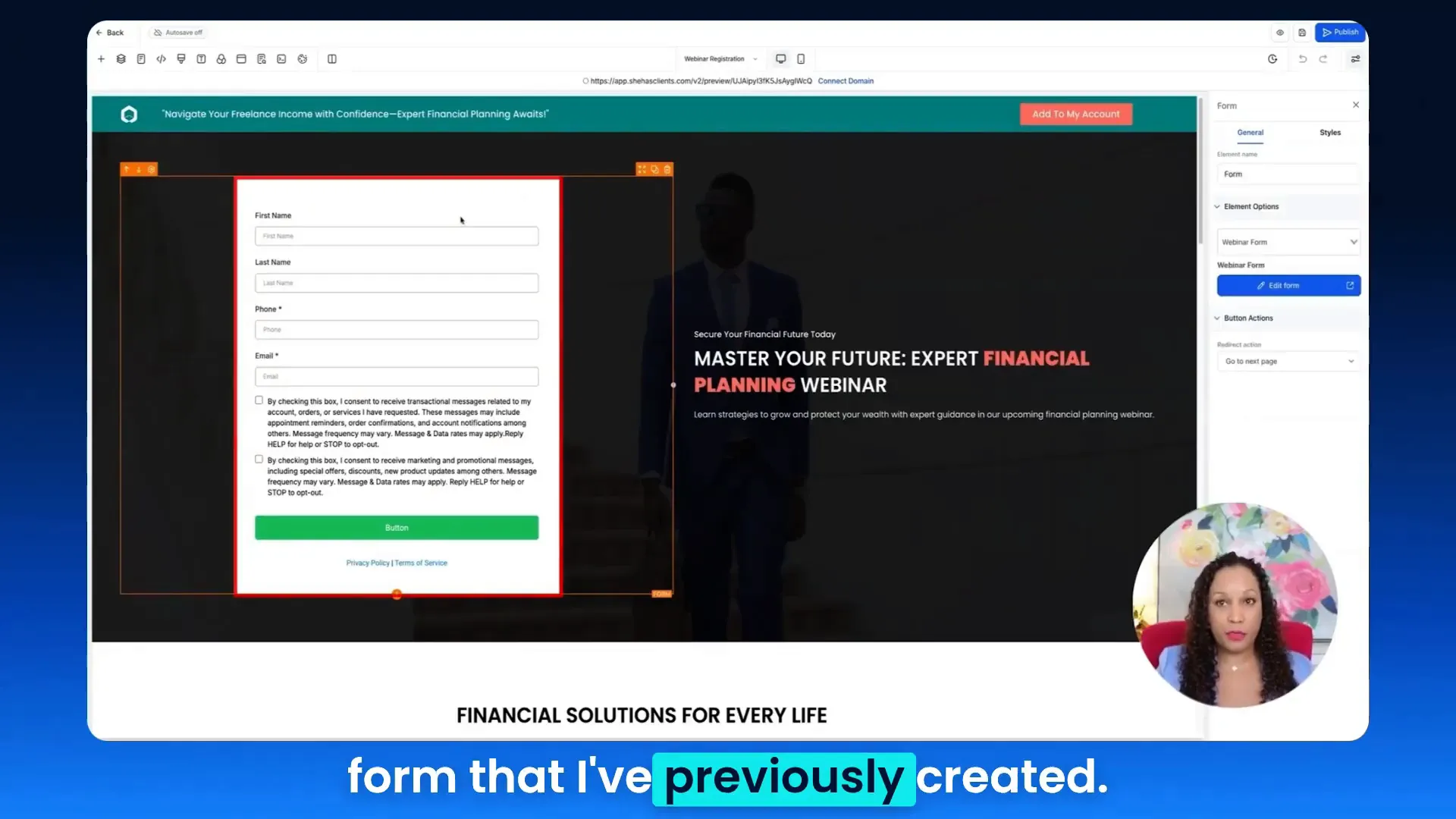
The walkthrough repeatedly emphasizes having a form ready to capture information. That's a reminder that personalization starts with data capture. Marketing funnels should not only deliver content but also collect signals you can act upon—industry, business size, pain points, budget, or purchase intent.
Personalization helps in marketing funnels by:
- Segmenting leads into targeted follow-up flows.
- Customizing offers and CTAs based on attendee responses.
- Improving conversion rates with relevant next steps.
Stat: personalized follow-ups and segmentation have been shown to improve conversion rates by up to 20% compared to non-personalized sequences.
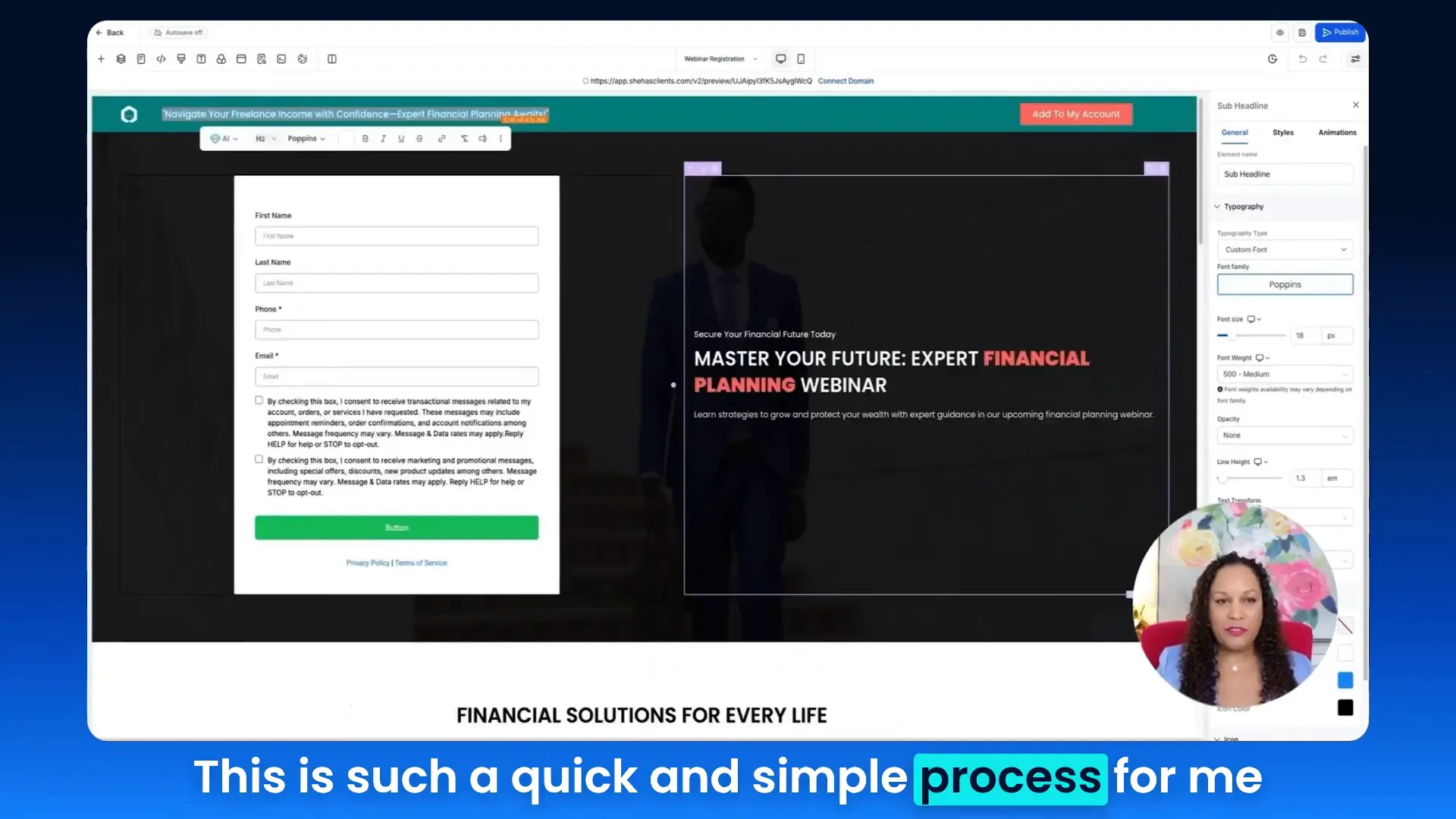
Theme 4 — Agency-level control and template governance
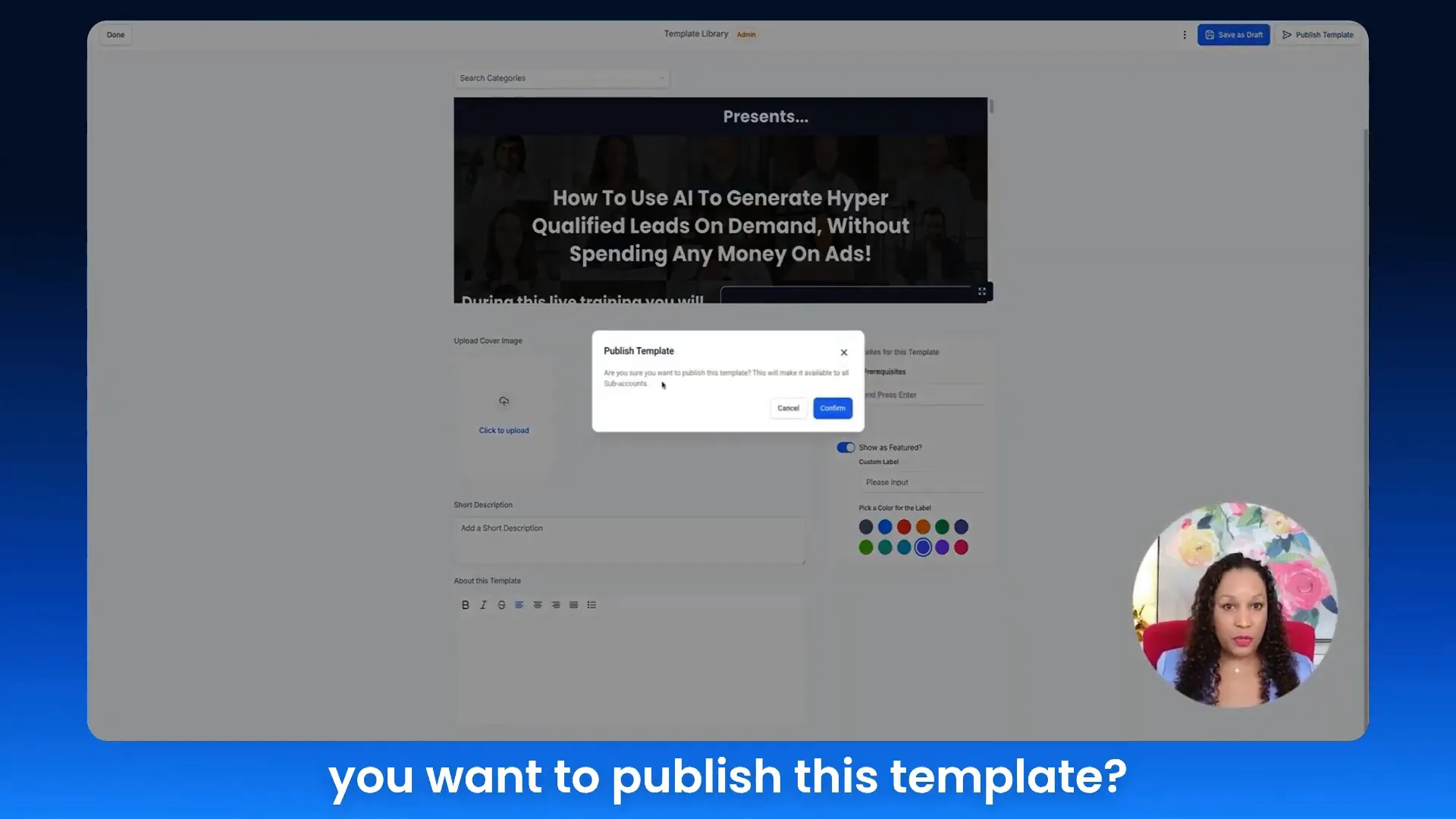
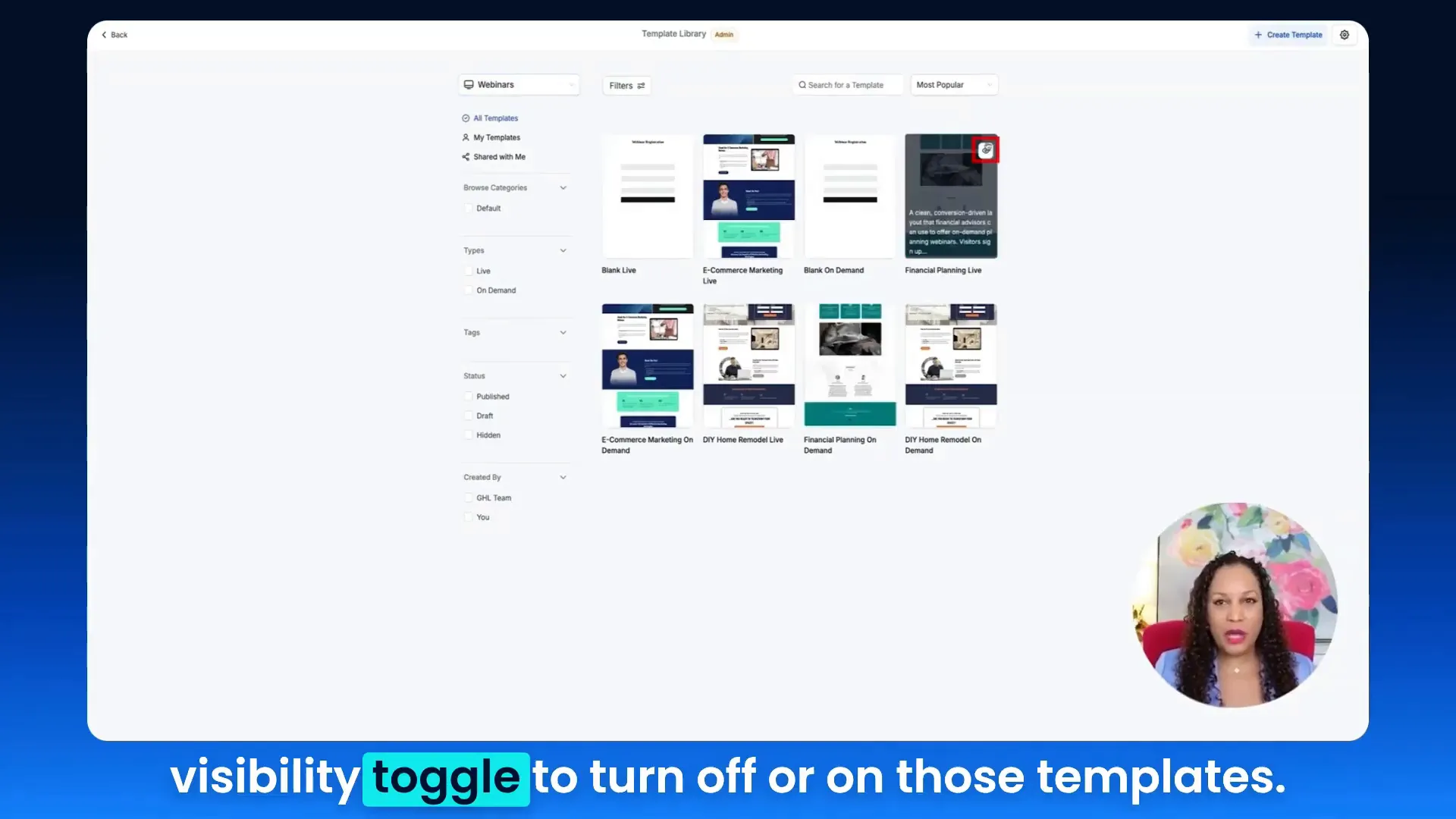
Scaling agencies need governance. The video demonstrates how agency owners can control which templates are visible to subaccounts, how to publish or hide templates, and how to create a template library for users.
Governance supports marketing funnels at scale by:
- Ensuring brand and compliance consistency across clients.
- Speeding onboarding for new subaccounts with ready-made funnels.
- Providing a centralized design and messaging strategy that distributes across teams.
Stat: centralized template libraries can improve onboarding speed by up to 60% and reduce support tickets related to funnel setup.
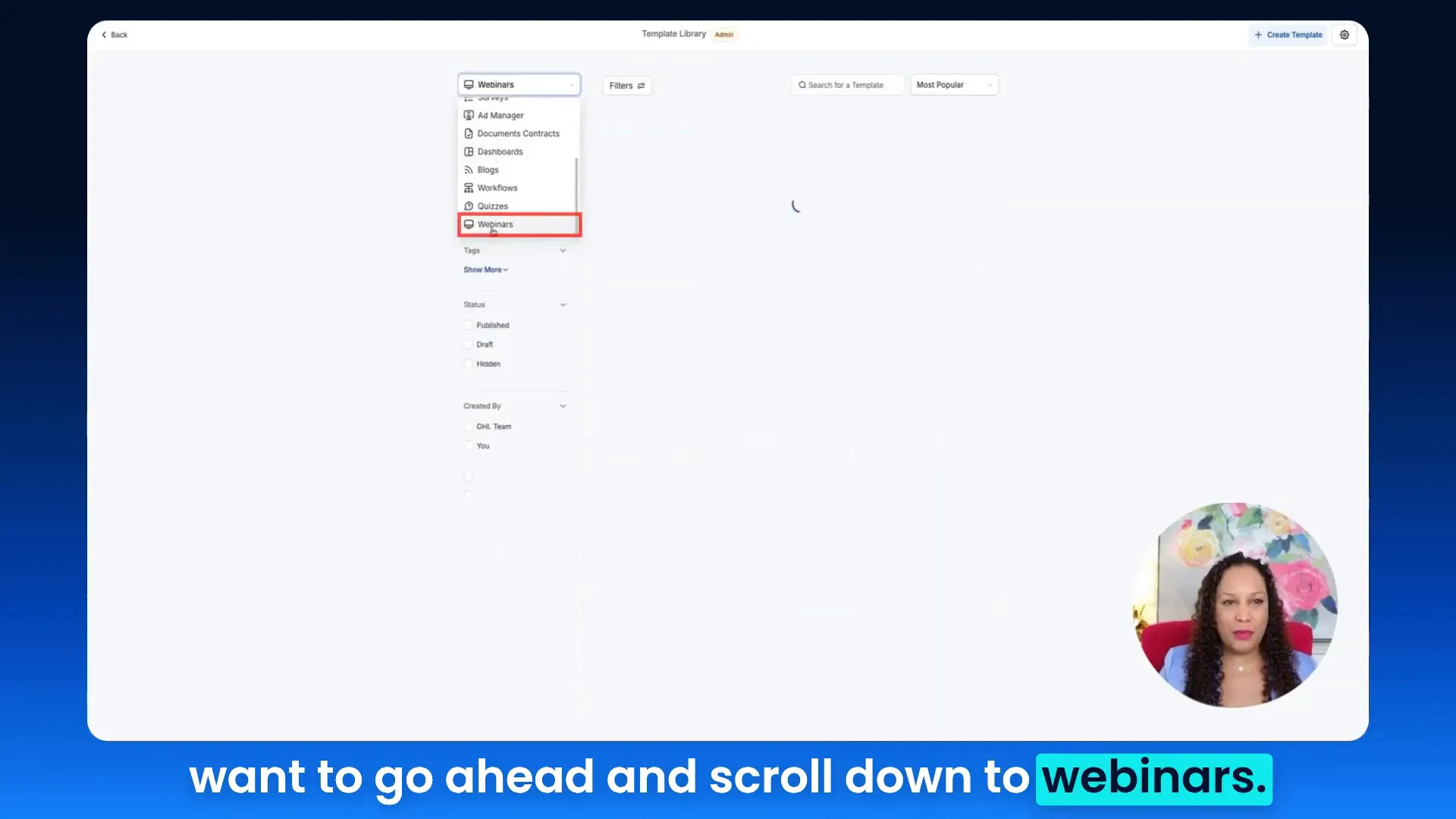
Theme 5 — Analytics and continuous optimization
While the walkthrough focuses on setup and templates, the logical next step for any funnel is measurement. Knowing where people drop off in the webinar funnel (landing page, registration, webinar start, post-webinar offer) is crucial. Regular analytics enable iterative improvements and smarter paid media spending.
Analytics empower marketing funnels by:
- Identifying bottlenecks in the conversion path.
- Informing A/B tests for landing pages and email sequences.
- Enabling ROI-based decisions on ad spend and audience targeting.
Stat: real-time analytics can reduce optimization cycles by 30% and increase conversion lift when combined with A/B testing and segmentation best practices.
GFunnel’s ecosystem solutions: Mapping themes to platform features
Small business owners, scale smarter with GFunnel! Below we map each of the five themes above to specific GFunnel features and explain how to get measurable results. For each feature we include a practical stat and a short action step you can implement today.
GFunnel’s Automation for reduced manual work
GFunnel’s automation engine connects marketing funnels to action—automated email sequences, SMS follow-ups, task creation, and conditional workflows keep prospects moving. The platform is designed to remove manual work from the funnel lifecycle.
- Feature: Visual automation builder (drag-and-drop) for emails, SMS, and internal tasks.
- Result: Cut repetitive manual work by up to 50%—teams spend more time on strategy, less on execution.
- Action: Create a post-webinar automation that sends a replay email, then a segmented offer email, then a follow-up call task for high-intent prospects.
Stat: 50% less manual work for common funnel workflows—set this up once and reuse across webinar templates and subaccounts.
GFunnel’s Templates and Funnel Builder for speedy launches
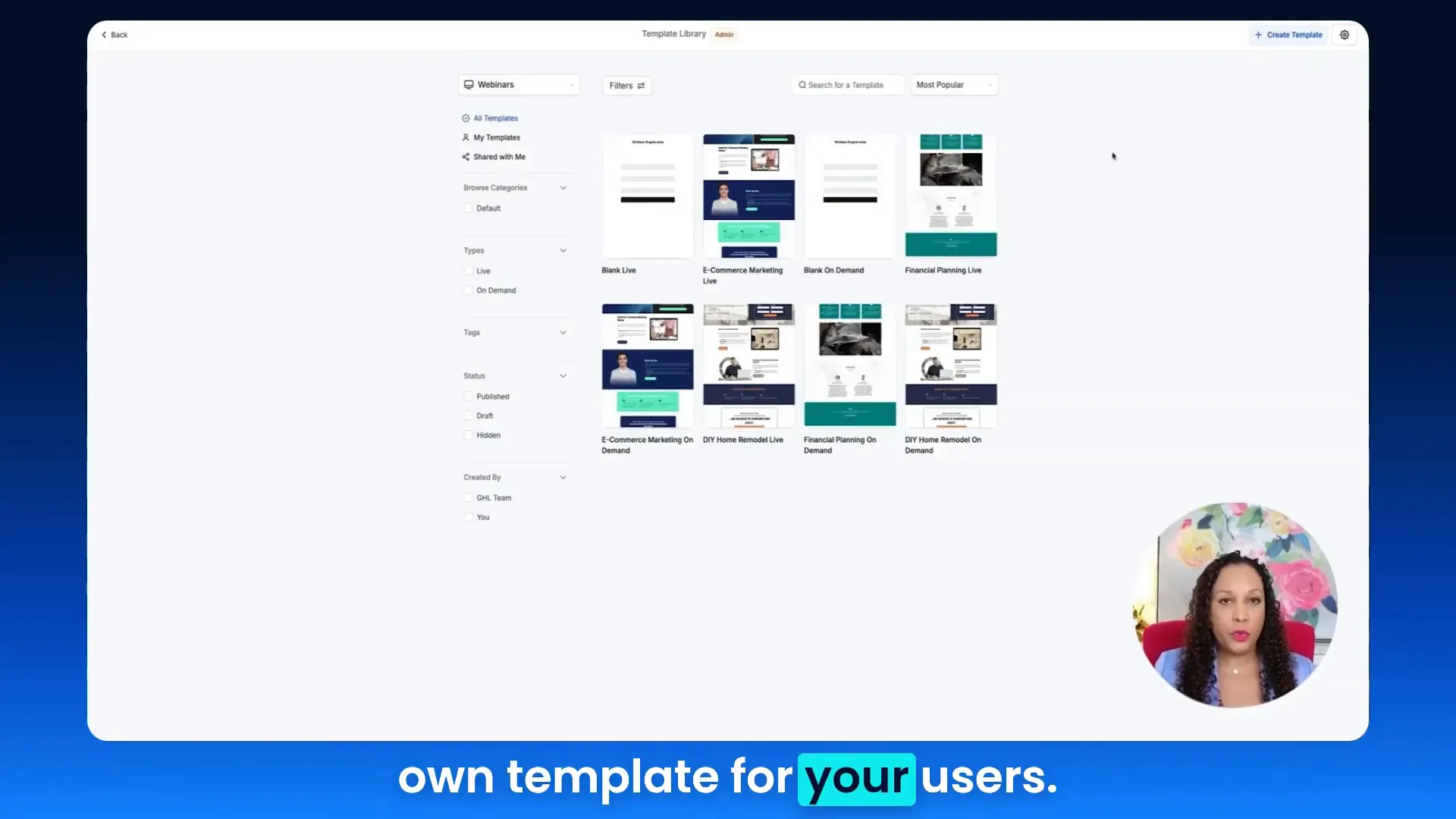
GFunnel includes a funnel builder and a template library designed for agencies. The template library lets you publish, hide, categorize, and color-code templates so subaccounts can pick the right funnel quickly.
- Feature: Template library with categories, prerequisites, tags, and cover images.
- Result: Launch marketing funnels 70% faster with consistent, reusable templates.
- Action: Build a “Webinar - On Demand” category with templates for your top three niches and publish them to subaccounts.
Stat: 70% faster time-to-launch with prebuilt templates and a consistent library for subaccounts.
GFunnel’s Personalization and CRM (Lead Connector) for targeted follow-ups
Collecting attendee information is essential. GFunnel’s CRM (Lead Connector) captures form data, tags leads, and enables segmentation so your marketing funnels can respond with personalized messages and offers.
- Feature: Built-in CRM integration that ties form fields to lead profiles and tags.
- Result: Improved conversion rates via targeted follow-up flows—personalized sequences can increase conversions by ~20%.
- Action: Add qualification fields on the webinar registration form and trigger a segmented nurture path for high-value prospects.
Stat: Personalized follow-ups can improve conversion rates by around 20% when combined with segmentation.
GFunnel’s Agency Template Governance for scale and control
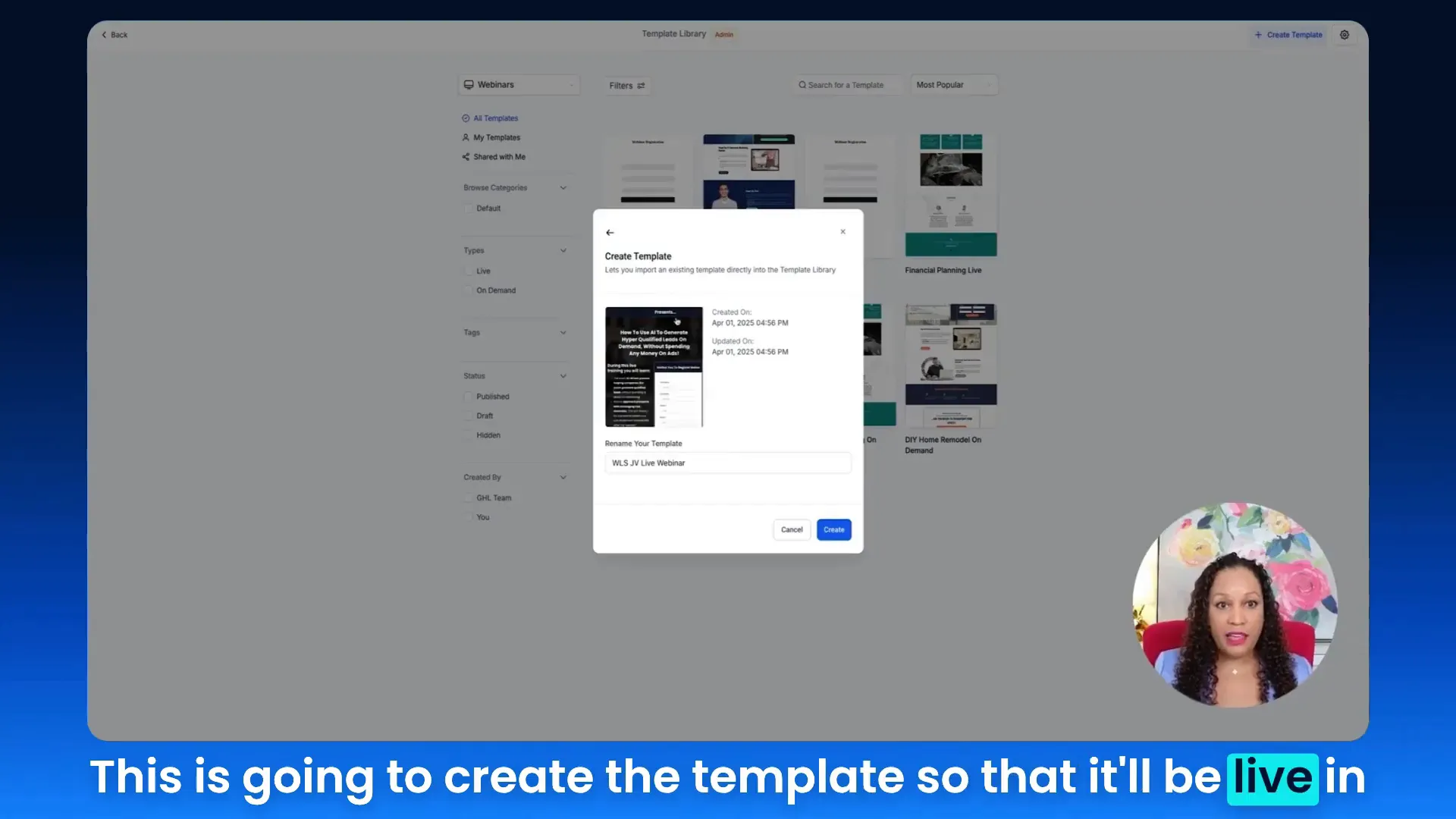
For agencies, GFunnel provides admin-level control: create a template once and publish it across subaccounts, control visibility toggles, and maintain templates with cloning and versioning.
- Feature: Agency-level template library with visibility toggles and cloning.
- Result: Reduce onboarding friction and keep marketing funnels compliant and on-brand across client accounts.
- Action: Establish a standardized onboarding funnel template and make it required for all new subaccounts.
Stat: Centralized governance can reduce onboarding time by up to 60% and cut support touchpoints significantly.
GFunnel’s Real-time analytics for optimization
Analytics are baked into GFunnel. Dashboards show funnel performance in real time and let you track conversions at every step of the webinar funnel—from registration rate to webinar engagement to post-webinar conversion.
- Feature: Real-time analytic dashboards and conversion tracking.
- Result: Faster iteration cycles—identify drop-offs and A/B test pages or messaging with confidence.
- Action: Configure funnel dashboards for each webinar template to monitor registration-to-conversion ratios and average time-to-convert.
Stat: Real-time analytics can reduce optimization cycles by 30%, enabling quicker wins and better ROI on marketing spend.
GFunnel’s Fast Autosave for reliability and editing speed
One of the platform’s less glamorous but critical features is the editor’s autosave. GFunnel employs a web worker autosave that reduces save latency from seconds to milliseconds, making the editor responsive and safe for rapid iteration.
- Feature: Autosave using a dedicated web worker (103ms average save time).
- Result: Editors experience up to a 28x improvement in save responsiveness (2.861s to 103ms), minimizing lost changes and interruptions.
- Action: Rely on the autosave when building templates and iterate rapidly without fear of losing work.
Stat: Autosave is 103ms on average—28x faster than older methods—making content creation and template editing far more efficient.
Practical integrations: APIs, e-commerce, and community networking
GFunnel is not limited to funnels and automation. It integrates CRM, payment processing, and niche communities so you can deploy webinar funnels that not only capture leads but convert and retain customers. If your theme extends beyond the video walkthrough—say, to e-commerce or restaurant ordering—GFunnel offers specific tools for those scenarios.
- API integrations for third-party tools and custom workflows (flexibility for power users).
- Built-in commerce processing for paid webinars or product sales post-webinar.
- Niche community features to amplify distribution and peer learning.
Action: Connect your payment processor to sell an upsell immediately after the webinar and use community channels to promote live events to niche groups.
Real-world applications: Two case studies
Small business owners, here’s how to apply these concepts to your business—two concrete case studies illustrating GFunnel’s impact on an e-commerce brand and a restaurant.
Case study 1 — E-commerce brand: From webinar to sustained revenue
Scenario: A mid-sized e-commerce brand selling health supplements wanted to scale customer acquisition beyond one-on-one consultations. Their marketing goals included building a predictable funnel for product launches, increasing average order value, and improving customer LTV.
Approach:
- Built a “Product Launch Webinar” marketing funnel using a GFunnel webinar template.
- Embedded a qualification form to segment buyers by intent and prior purchase history.
- Automated a post-webinar sequence: replay email, segmented discount offers, and an internal task for high-intent leads to receive a one-on-one consultation.
- Used GFunnel’s real-time analytics to identify the most effective landing page variant and adjusted ad spend to that audience.
Outcomes:
- Registration conversions increased by 32% after A/B testing optimized headlines and CTA placement.
- Post-webinar conversion rate improved by 18% with segmented offers.
- Automation cut lead follow-up time in half, reducing manual outreach effort by 50%.
"GFunnel’s automation saved us hours every week and helped us scale product launches without hiring more staff!"
Long-tail SEO used in the funnel landing pages: "build marketing funnels with GFunnel for product launches" and "best business platform for entrepreneurs selling online". The e-commerce brand also promoted webinars inside GFunnel communities relevant to health and wellness to generate organic reach and social proof.
Case study 2 — Local restaurant group: Drive orders and loyalty with webinars
Scenario: A multi-location restaurant group wanted to promote new menu items and increase off-premise orders. They had a loyal customer base but wanted to expand delivery revenue and test a subscription meal plan.
Approach:
- Used a webinar-style video to present new menu items and limited-time offers, built with GFunnel’s on-demand webinar template.
- Captured customer preferences through registration forms—favorite dishes, dietary restrictions, delivery frequency.
- Triggered automation that offered a 10% discount on the first delivery and enrolled registrants in a loyalty sequence.
- Analyzed real-time analytics to optimize the offer and timing of follow-up coupons.
Outcomes:
- New-offer redemption rate of 12% among webinar attendees, improving baseline delivery revenue by 8%.
- Subscription meal plan pilot converted 4% of attendees into monthly subscribers after a targeted follow-up flow.
- Reduced marketing waste by focusing paid media budgets on the highest-engaging funnel steps.
"GFunnel’s webinar funnel helped us introduce new menu items and convert loyal customers into recurring subscribers—without complicated tech."
Long-tail phrases used: "automate business operations with GFunnel restaurant ecosystem" and "scale restaurants with GFunnel online ordering". The restaurant connected its ordering system inside GFunnel and tracked conversions from webinar to order in real time.
Why GFunnel leads: Comparison and platform advantages
Small business owners, compare and decide: GFunnel is designed to be more than a funnel builder. It’s a business platform that connects funnels, CRM, automation, analytics, and community into a single ecosystem—an advantage that reduces tool sprawl, cost, and complexity.
Traditional tools often force you to stitch together separate landing page builders, CRM systems, email automation platforms, analytics tools, and a community presence. That results in higher costs, a steeper learning curve, and fragmented data.
Below is a clear comparison presented as a row-oriented list (traditional approach vs GFunnel approach) to help you evaluate core aspects important for marketing funnels and scaling.
Traditional Business Tools vs. GFunnel’s Ecosystem
Cost and adaptability: GFunnel consolidates capabilities usually billed across multiple subscriptions—funnel builders, CRM, analytics, and community tools—yielding a more affordable path to scale. For agencies, the ability to create and publish templates across subaccounts is a major differentiator.
Suggested next step: Test a webinar funnel in GFunnel using an on-demand template and a short automation flow. Track registration-to-conversion in the dashboard and iterate on copy and offers.
Internal resources and further reading (non-anchored links):
- GFunnel homepage: https://www.gfunnel.com
- GFunnel automation features: https://www.gfunnel.com/automation-home
- GFunnel communities: https://www.gfunnel.com/communities
- GFunnel funnel builder: https://www.gfunnel.com/funnel-home
- GFunnel CRM / Lead Connector: https://www.gfunnel.com/crm
- Create an account: https://www.gfunnel.com/create-account
Conclusion and call to action
Entrepreneurs, marketing funnels are the vehicle, and GFunnel is the engine and chassis combined. By moving from one-on-one sales calls to one-to-many webinars, you can scale your reach, create predictable lead generation, and turn content into conversions. Templates, automation, and analytics—when combined—create a repeatable growth loop: build once, publish many, automate follow-up, measure outcomes, and optimize.
GFunnel’s ecosystem simplifies that loop. Use the template library for rapid launches, rely on the automation engine to reduce manual work by roughly 50%, and trust real-time analytics to guide your optimizations. The web worker autosave (103ms) ensures the content you build is saved reliably and quickly, enabling fast iteration and less stress during the creative process.
Action steps to get started:
- Sign up or create an account at https://www.gfunnel.com/create-account and choose a trial plan.
- Pick an on-demand webinar template from the template library and upload your webinar video.
- Add a capture form to the funnel that segments leads by intent.
- Configure automation to send replay and segmented offers automatically.
- Monitor funnel performance with real-time analytics and refine your messaging with A/B tests.
Community call: Join GFunnel’s niche communities to share webinars, recruit affiliate partners, and source content ideas. Connect with groups relevant to your vertical at https://www.gfunnel.com/communities.
Interactive element suggestion: Try a "Test Your Business Growth Potential" quiz to assess where webinars and marketing funnels fit in your strategy. Use the results to pick the right template category and automation flow.
Ready to scale? Start building your marketing funnels with GFunnel today and see how one-to-many webinars can replace repetitive sales calls with high-converting funnels that run on automation and data.
Frequently Asked Questions (FAQs)
Related topics and next reads
- Scale Restaurants with GFunnel: restaurant ecosystem and online ordering (https://www.gfunnel.com)
- Build marketing funnels with GFunnel: funnel builder introduction (https://www.gfunnel.com/funnel-home)
- Automate business operations with GFunnel: automation features (https://www.gfunnel.com/automation-home)
Final quotes and testimonials
"GFunnel’s communities doubled our sales pipeline and gave us the collaboration we needed—templates, analytics, and automation all in one place!"
"GFunnel’s automation saved us hours weekly and let us launch webinar funnels faster than ever."
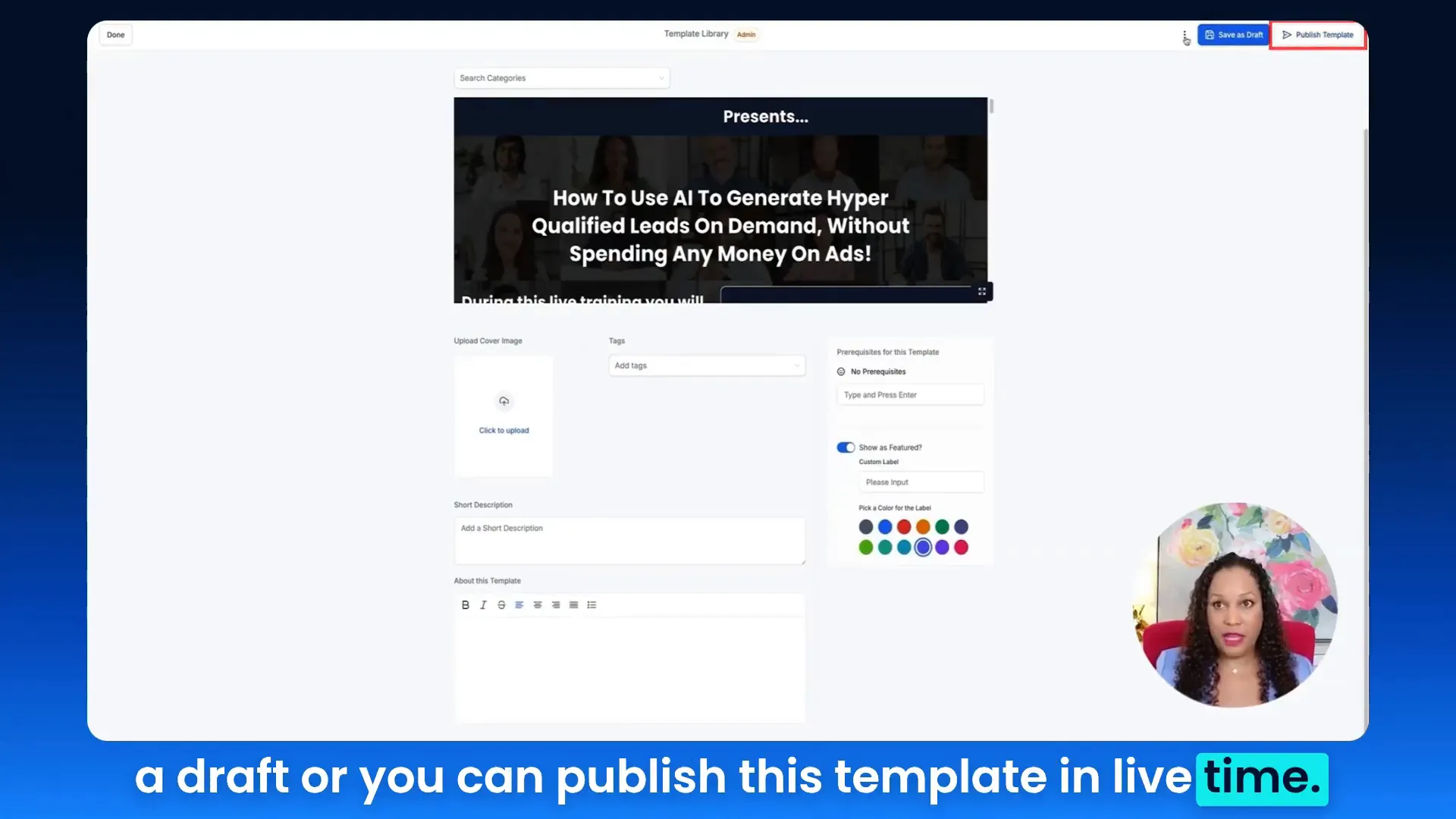
For support materials and setup documentation similar to the walkthrough that inspired this article, consult the platform’s help resources and experiment by creating an on-demand webinar funnel, uploading your content, and publishing templates for your team or subaccounts.