Lead Connector With GFunnel: How to Sell Courses to Your Community and Supercharge Your Marketing Funnels
Introduction: Why Your Community Is the Best Customer Base for Marketing Funnels
In the short video that inspired this article, Ben explained the practical process of building a community, connecting payments, creating a course, and offering that course directly to members. He walked through the exact steps inside a platform (HighLevel), emphasizing that you can turn trust into revenue using tools you already have.
This long-form article expands those step-by-step actions into a comprehensive strategy you can apply today—using GFunnel as the core business platform for networking, automation, analytics, and e-commerce. We’ll cover four core themes that matter most when creating and selling courses to your community: community networking, payments & e-commerce, course creation & delivery, and automation & analytics. Then we’ll map each theme to GFunnel features and show real-world case studies to help you visualize the results.
Key terms you’ll see throughout: marketing funnels, GFunnel, Lead Connector With GFunnel, business automation, real-time analytics, business networking, and fast autosave. We’ll use them in context and give actionable next steps you can implement now.
Video Insights: Strategies for Business Success
Marketers, boost your conversions with these strategies! The video highlights several practical, repeatable ideas that form the backbone of a course-selling strategy inside a community. From the transcript, we extract four repeatable themes that every entrepreneur should master:
- Community-first monetization (community networking)
- Seamless payment integration (e-commerce & processing)
- Simple course-building and delivery (content architecture)
- Sell inside your platform using built-in funnels and automation (automation & analytics)
Harnessing Community Networking for Revenue
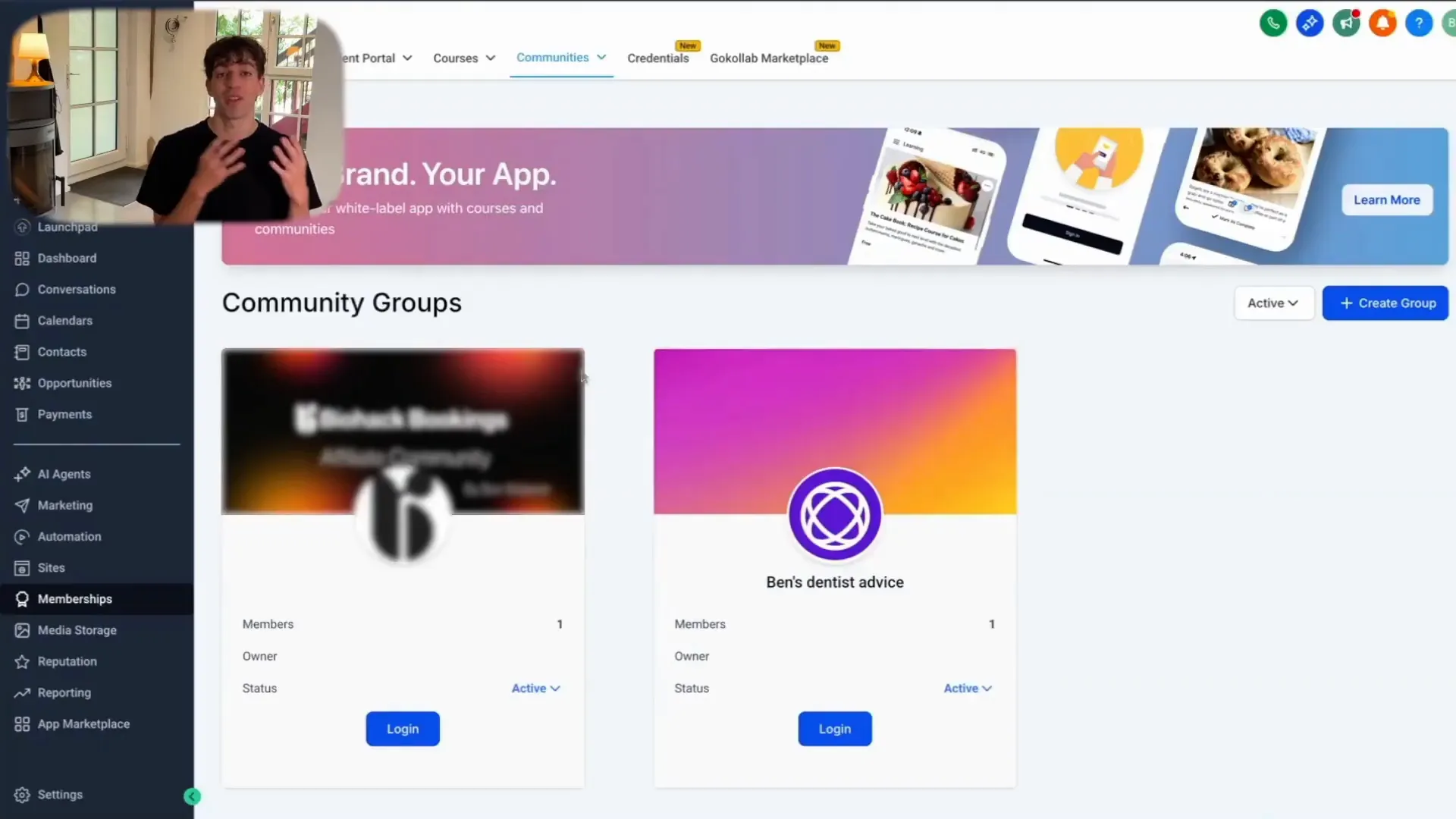
Ben opened with a clear premise: "Your community is your most valuable customer base." That’s not marketing fluff—it's a practical growth principle. When people are already engaged under the same roof (a group, membership area, or niche forum), you have lower acquisition costs and higher trust. Communities let you:
- Test course ideas rapidly with a receptive audience
- Use social proof and member testimonials to accelerate sales
- Create exclusive offers that feel personal and valuable
- Build retention through ongoing learning and discussion
Ben: "Your community is your most valuable customer base."
Setting Up Payments: Make Buying Frictionless
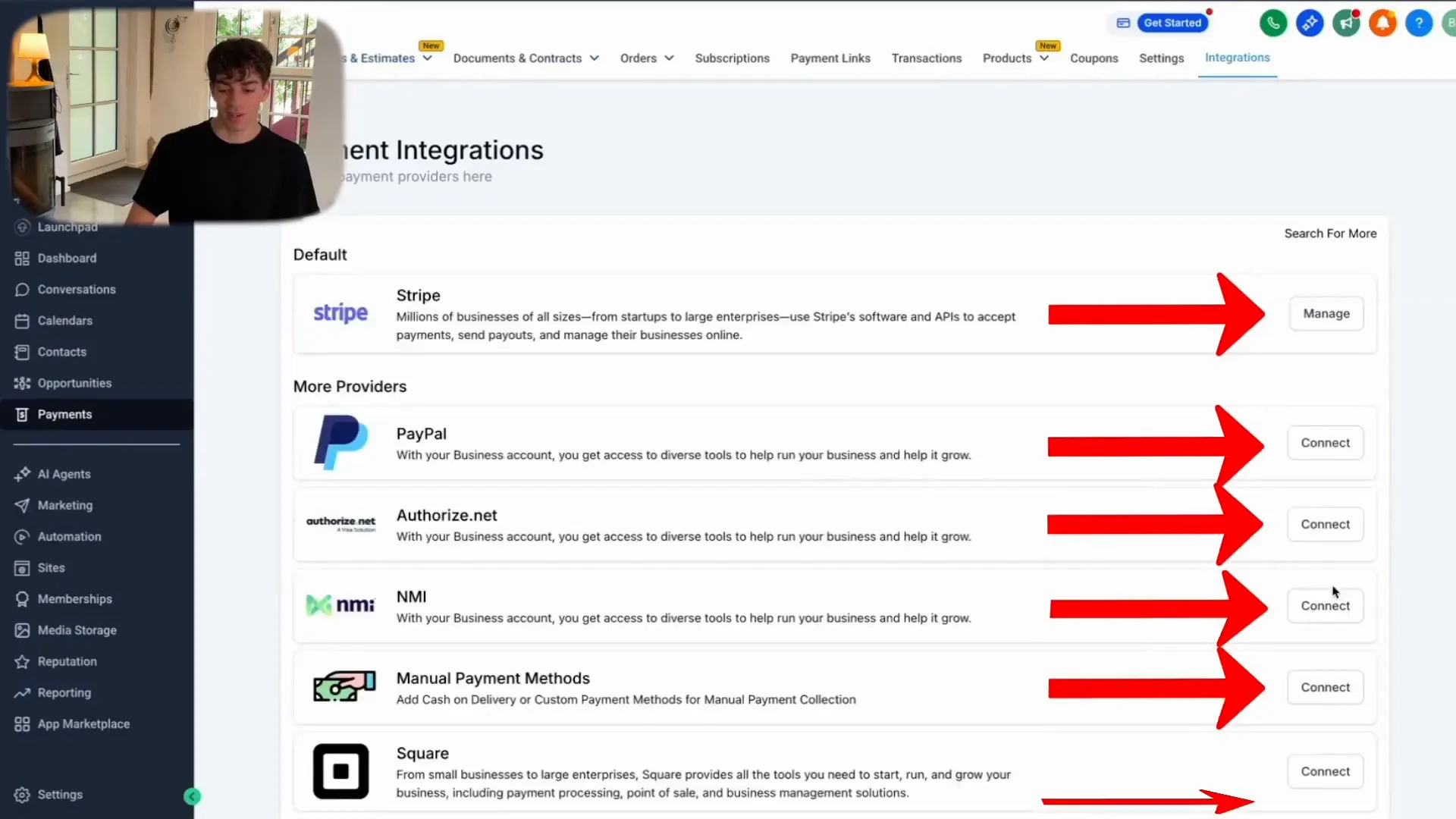
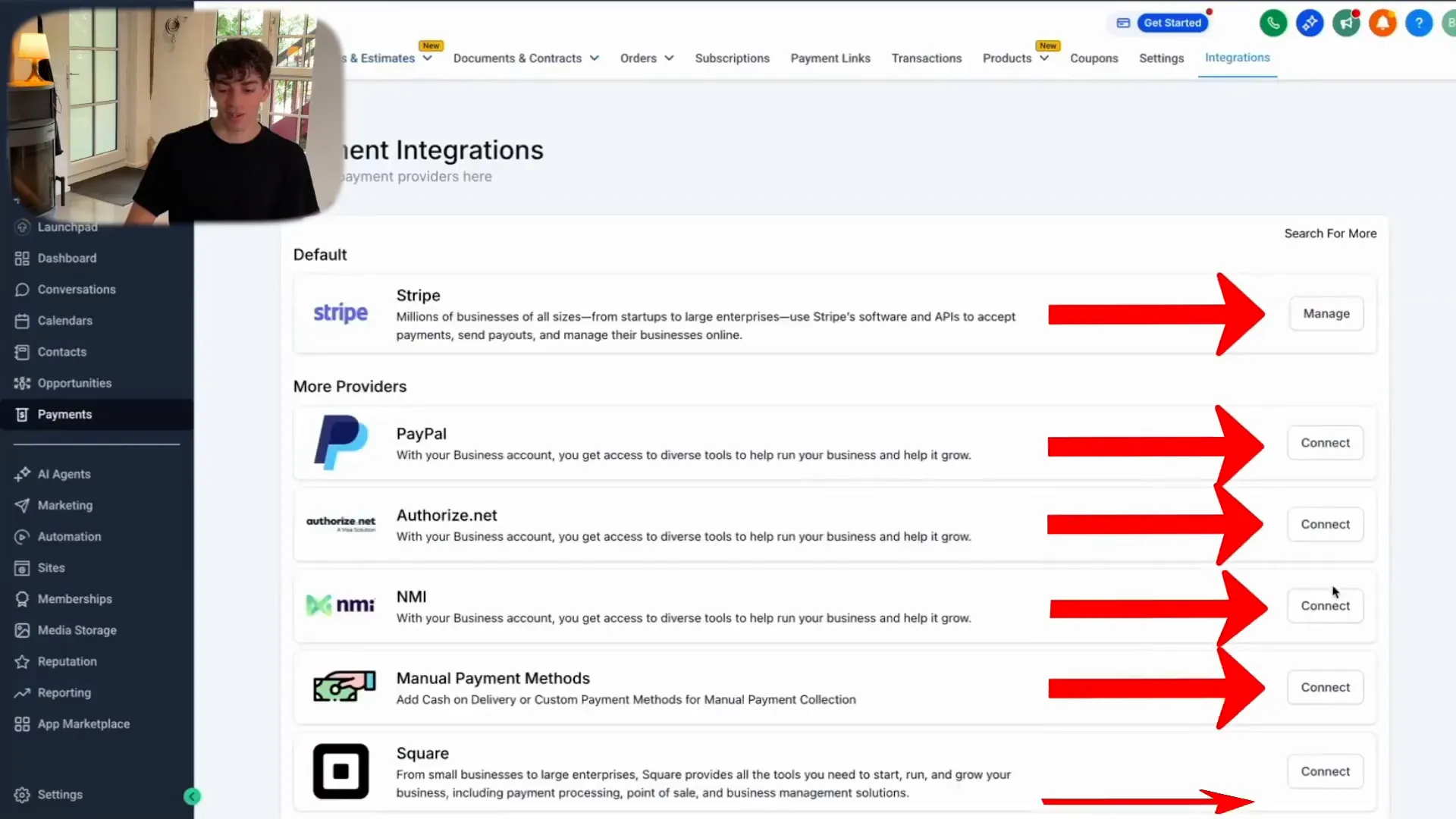
Payments are a gatekeeper. If your checkout process requires members to leave your platform, you lose conversions. The video walks through integrating a payment gateway before publishing your course—ensuring members can purchase without friction.
Ben: "Before we do that, we have to make sure a payment gateway is connected."
Key takeaways:
- Connect a payment provider early—this allows one-click buys, subscriptions, and local currencies.
- Decide between one-time purchases and subscriptions; both are valid depending on your business model.
- Offer payment options (cards, wallets) and set currency that suits your audience.
Creating Courses: Structure, Content, and Simplicity
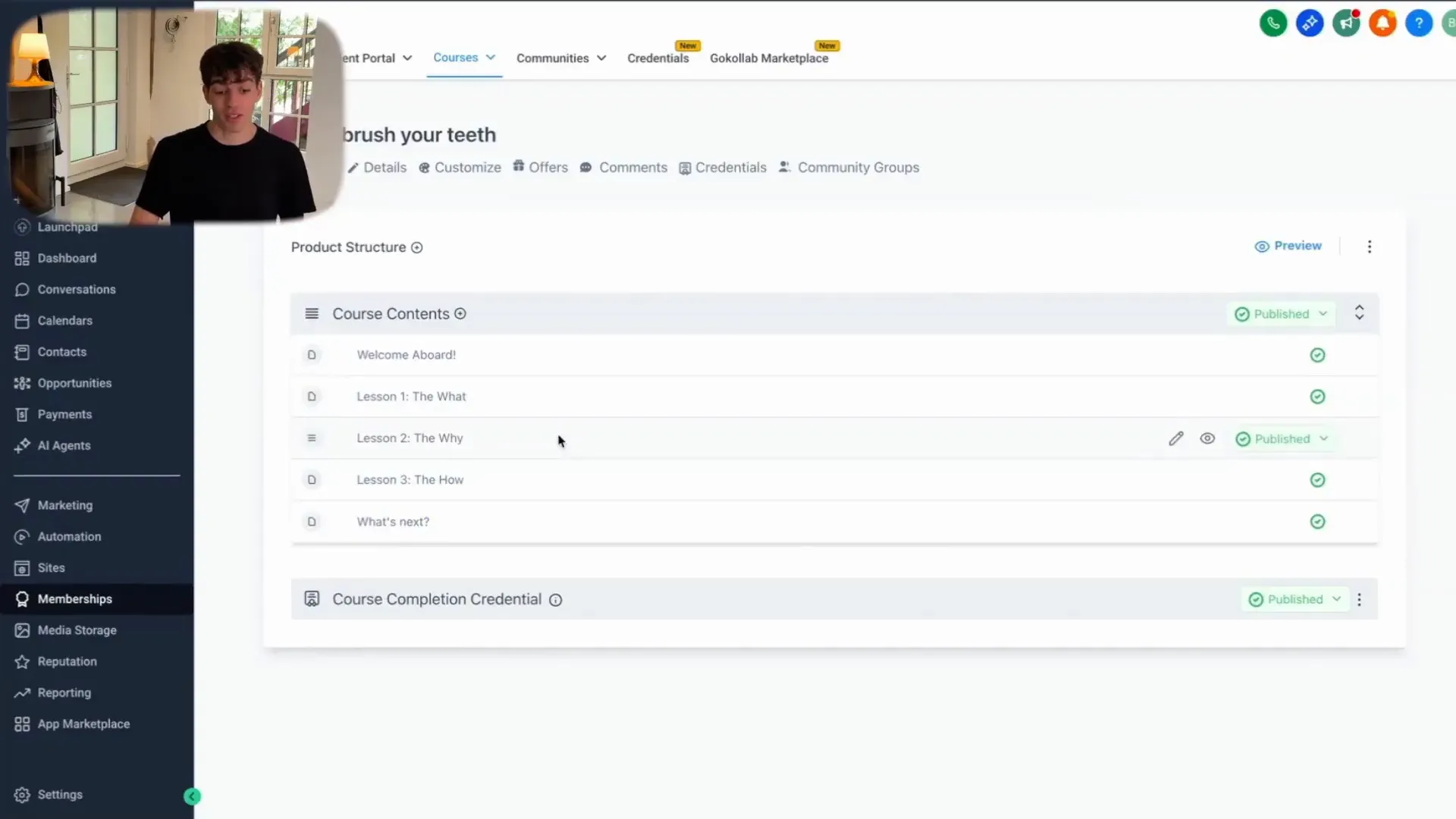
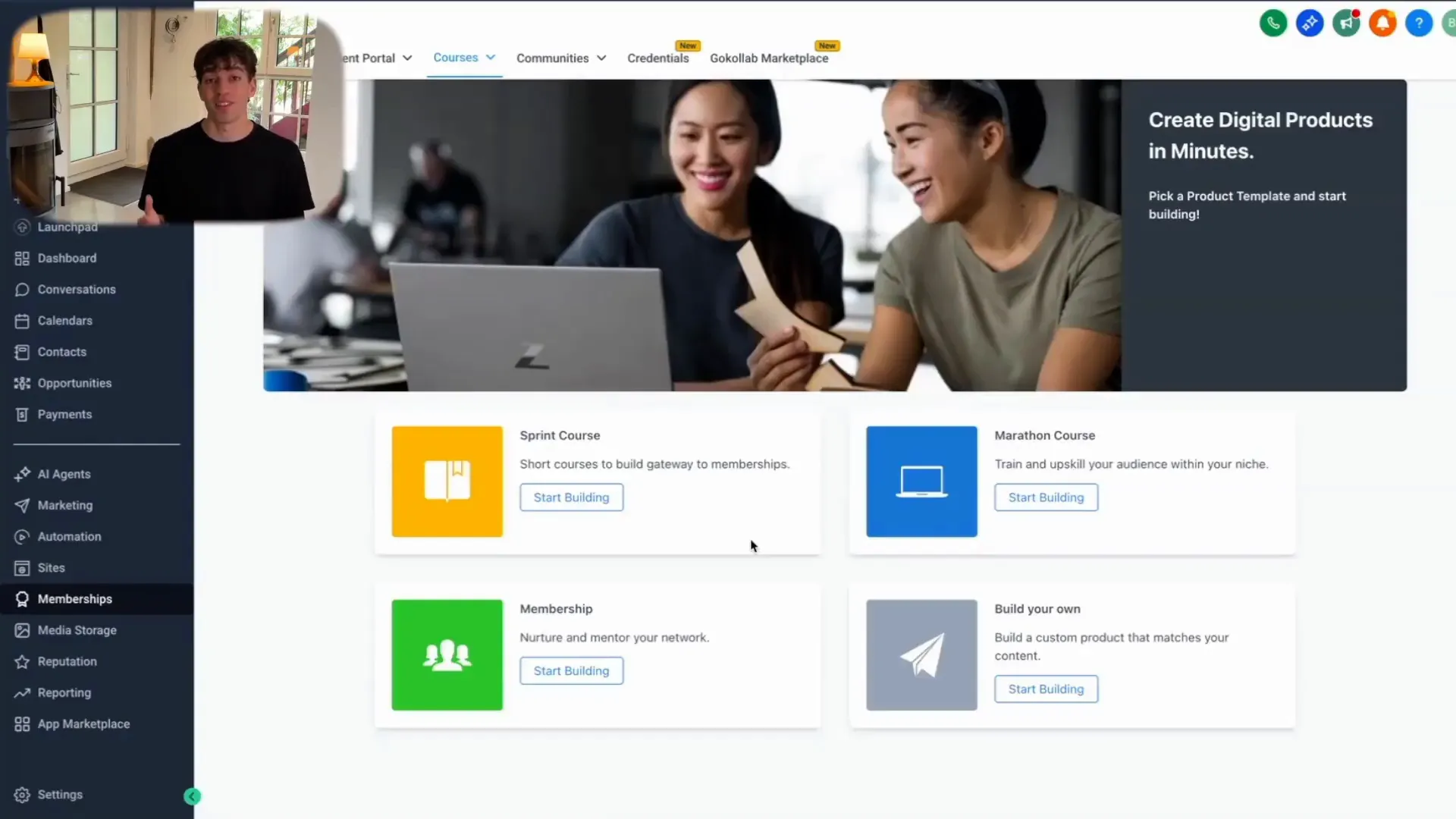
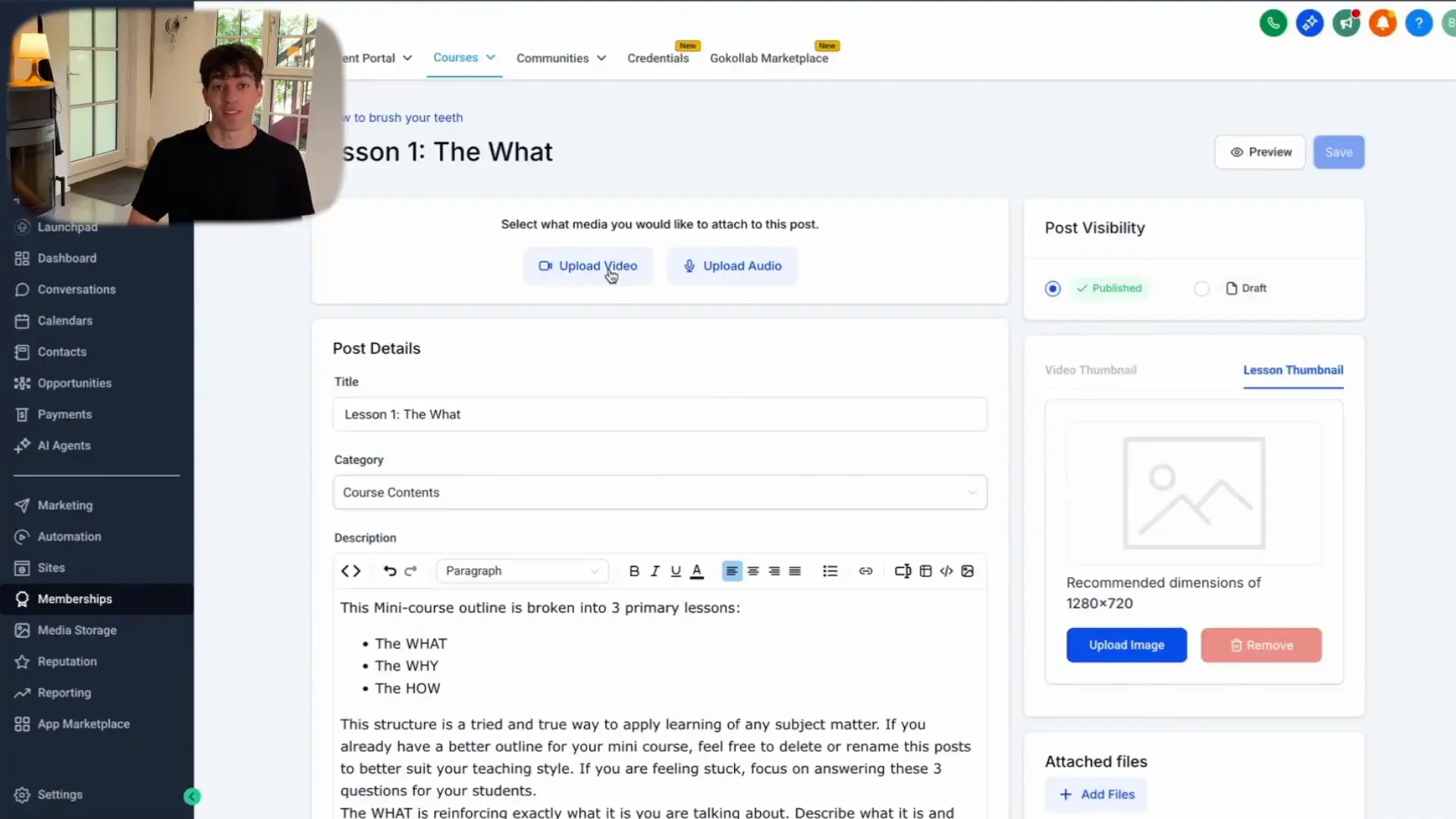
The video demonstrates using templates (skeleton structures) for courses—starting with a welcome lesson and progressing through modules. This approach prevents overbuilding and helps you ship faster. A good structure typically includes:
- Welcome and orientation
- Core modules broken into digestible lessons
- Action steps, resources, and what’s next
- Media-rich content (videos, downloads) and lesson thumbnails
Ship minimal viable courses first. Iterate based on member feedback. That’s how you convert a community into customers without waiting months to perfect every lesson.
Sell Inside the Platform: Lower Friction, Higher Conversion
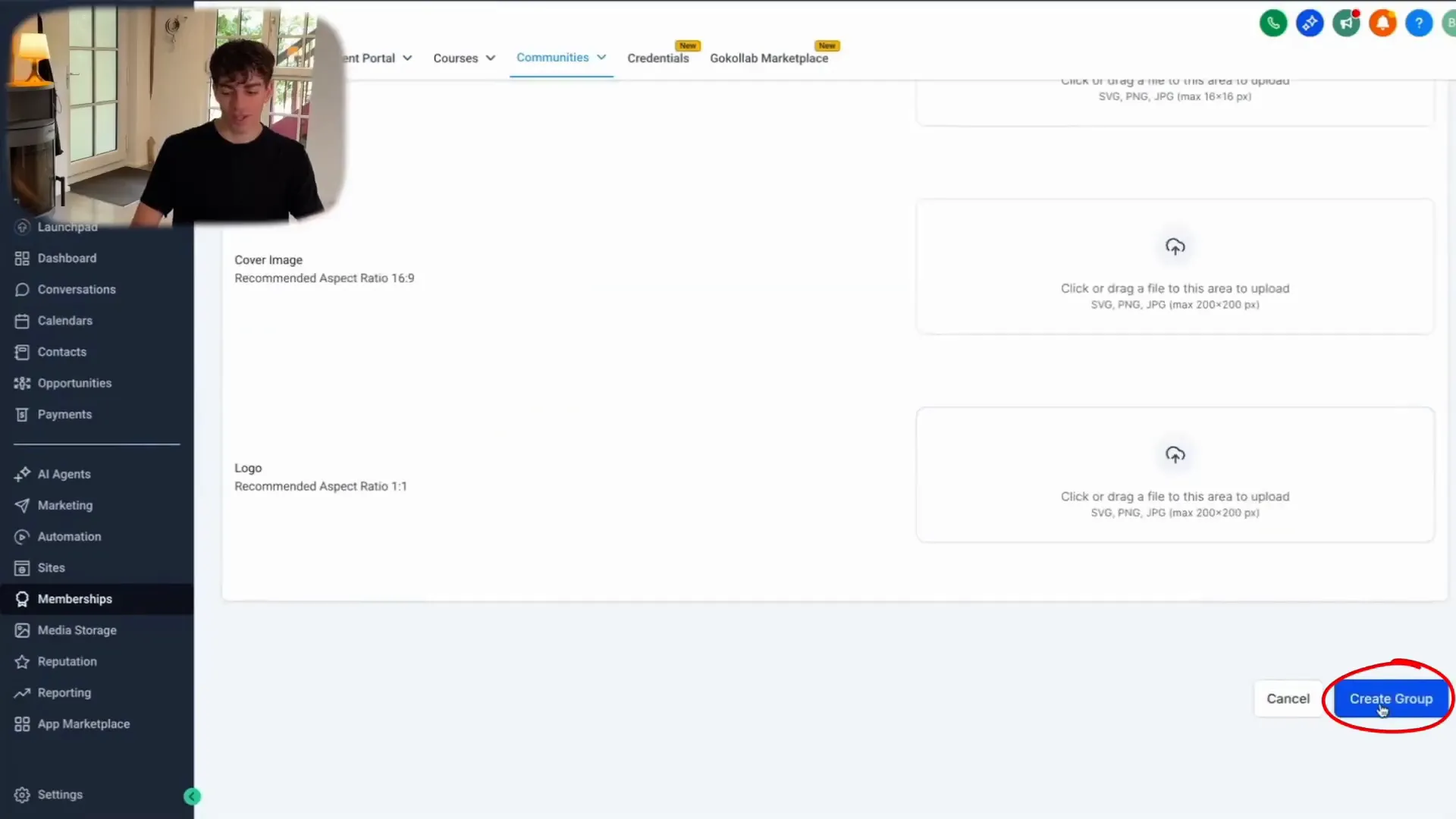
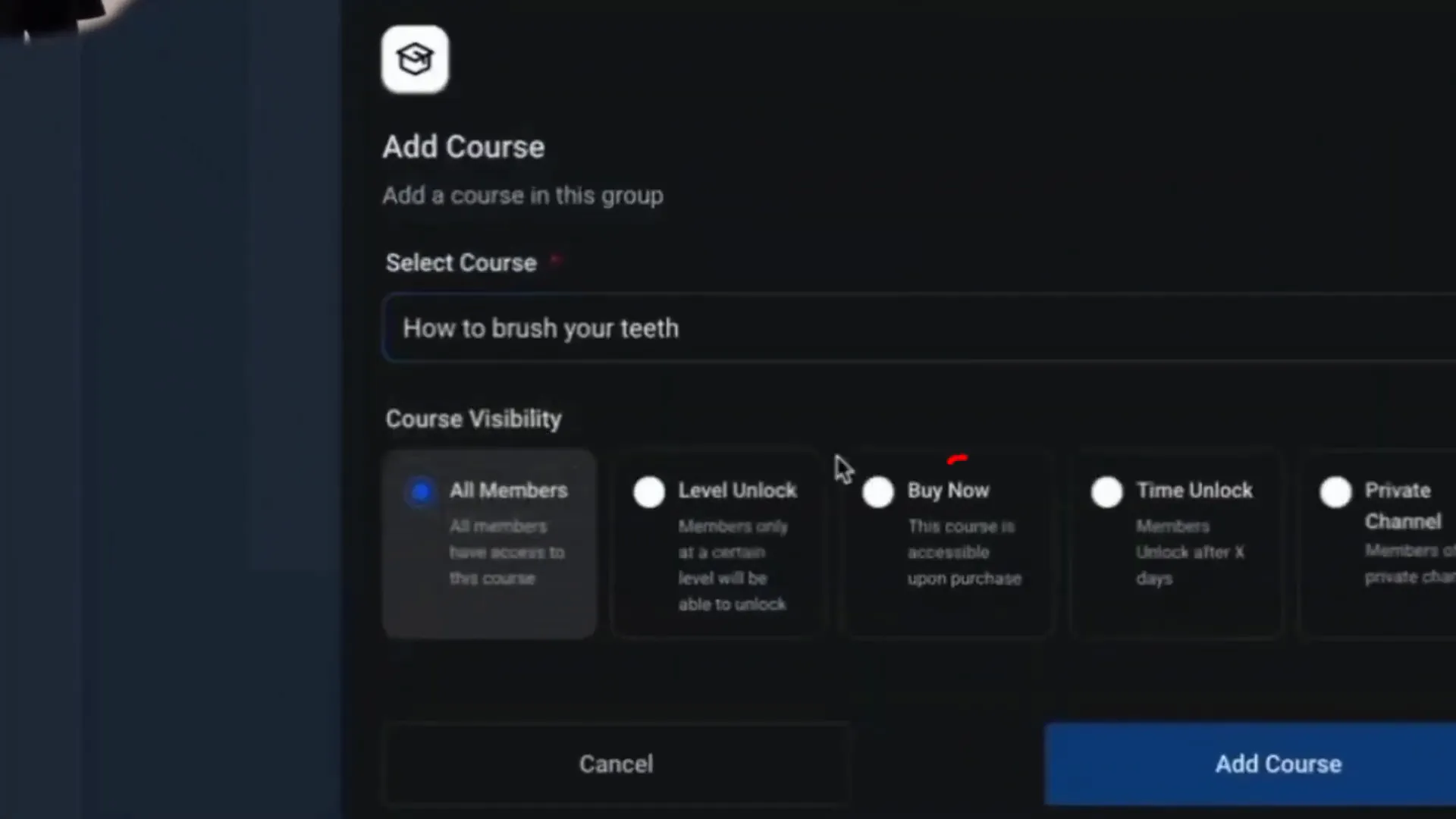
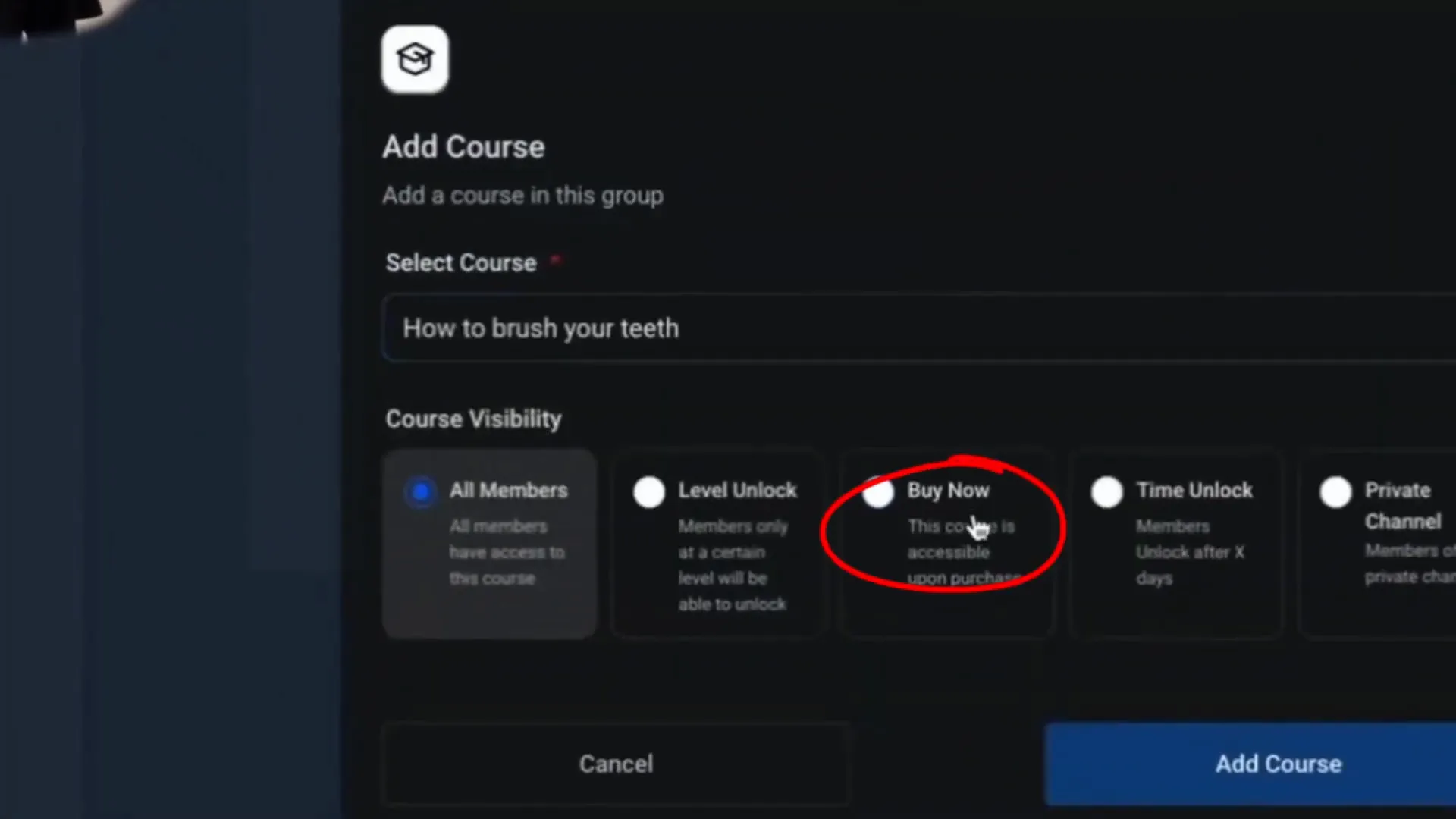
Finally, the video shows how to attach a purchase option to the course within the community—so members see the course, click buy, and complete the transaction on-platform. This is the simplest way to turn trust into revenue.
- Add the course to the community's Learning tab
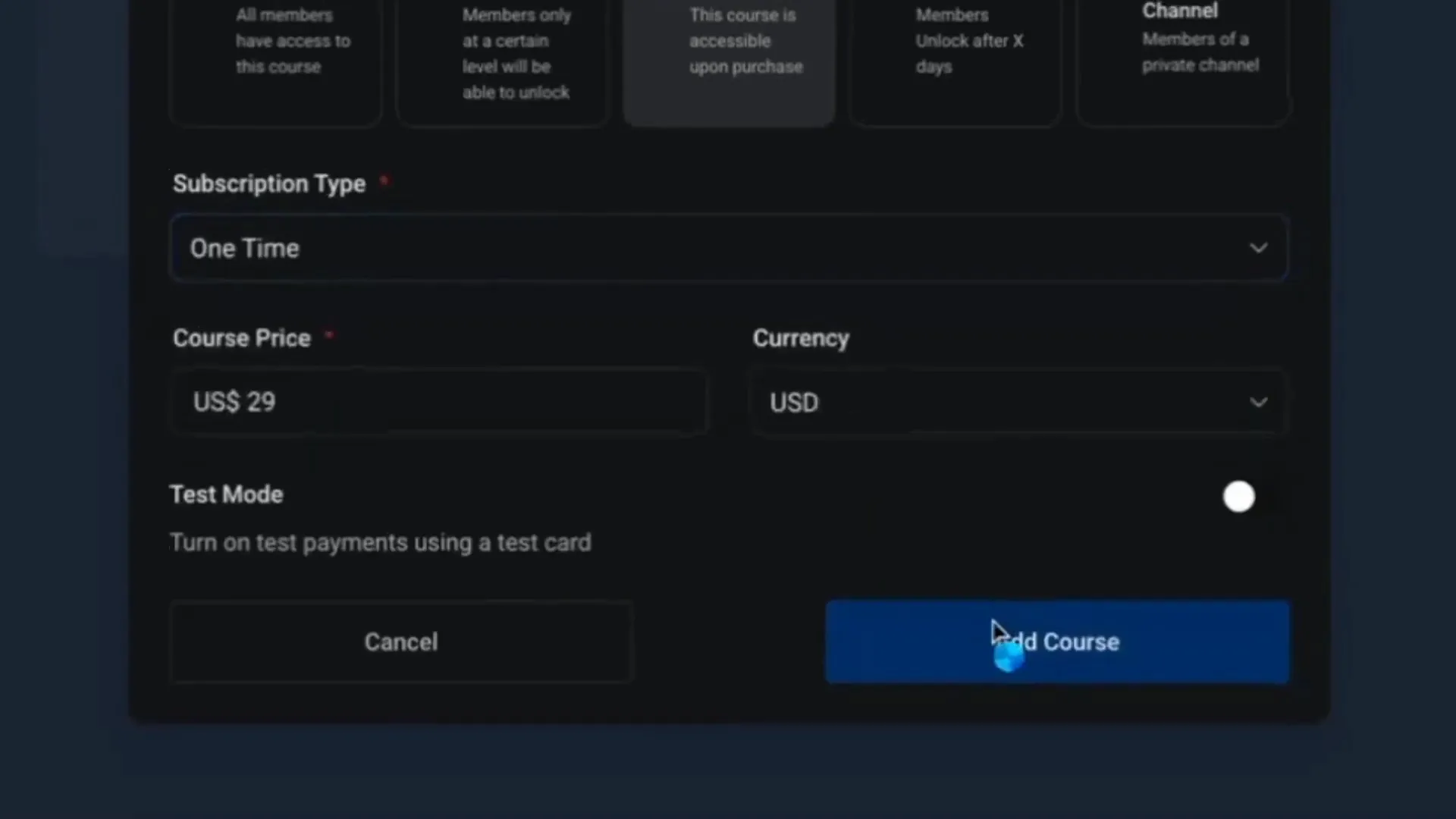
- Choose buy now and configure pricing (one-time or recurring)
- Set currency and publish
- Members buy within the platform—no external redirects
GFunnel’s Ecosystem Solutions: Mapping Themes to Platform Power
Small business owners, scale smarter with GFunnel! Now we’ll map each theme from the video to the GFunnel ecosystem. GFunnel is built to be more than a funnel builder: it’s a full business platform with marketing funnels, lead management, community networking, e-commerce, automation, and analytics. Below, each theme is paired with GFunnel features to show how to implement the exact strategy Ben demonstrated—only faster and more measurable.
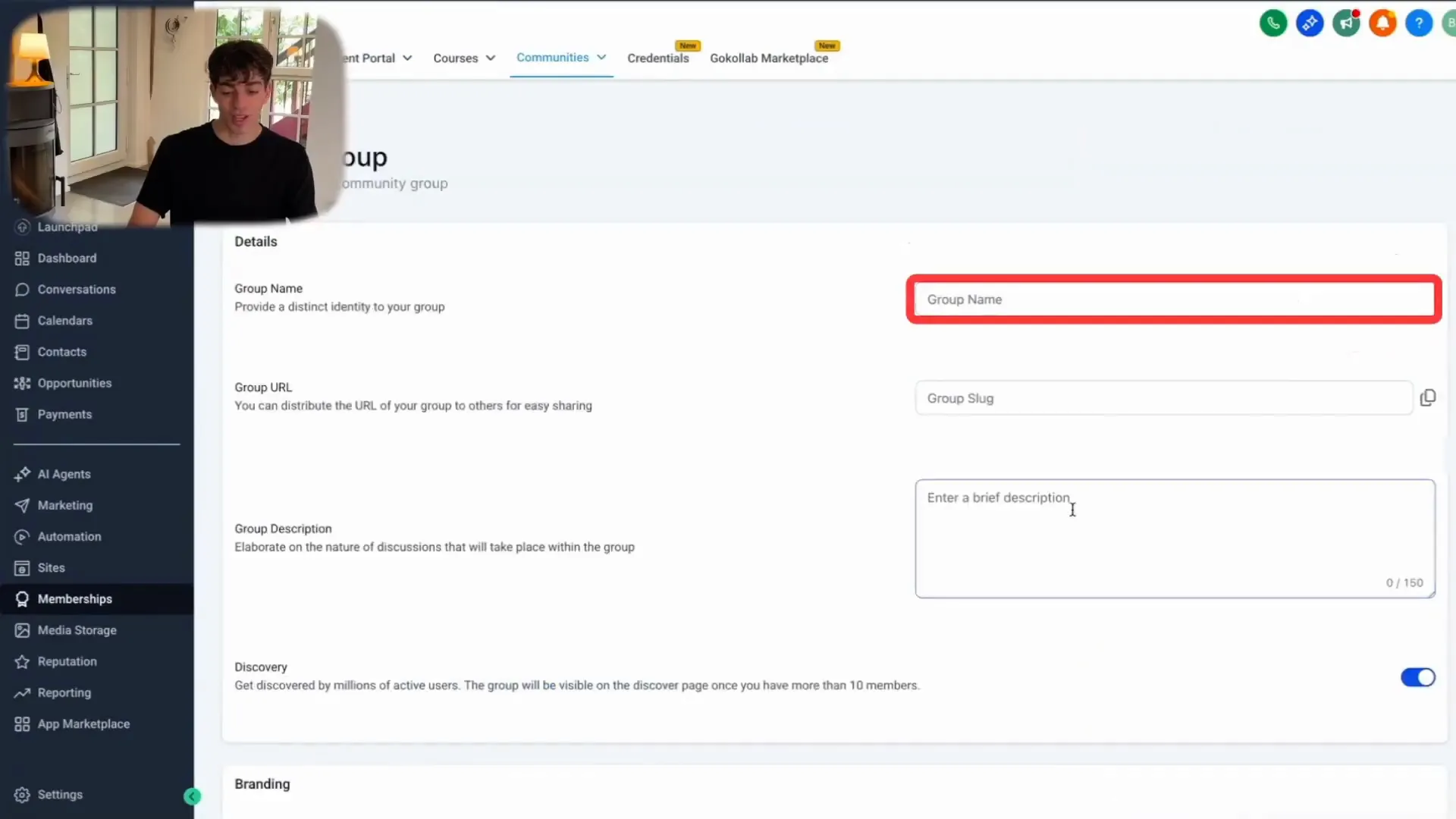
GFunnel’s Community Networking for Community-First Monetization
GFunnel supports niche communities and groups, allowing businesses to host members, discussions, events, and courses in one place. Instead of relying on third-party social platforms, you keep engagement and transactions within your ecosystem.
- Feature: Niche communities and groups for targeted member engagement.
- Impact: Higher conversion rates because your most engaged audience sees offers first.
- Stat: Communities can increase average customer lifetime value by up to 30% when used for recurring education and support.
How to implement:
- Create a group organized around a clear outcome (e.g., "E-commerce Growth Lab").
- Share course previews and quick wins inside the group to validate demand.
- Use GFunnel’s discussions and events to run live Q&As and launch webinars.
CTA: Join GFunnel’s communities now (https://www.gfunnel.com/communities) and host your first course launch event.
GFunnel’s E-commerce & Payments for Seamless Checkout
GFunnel integrates payments natively, so you can accept cards, subscriptions, and multiple currencies without external checkout pages. This removes friction and keeps conversions high—exactly what Ben emphasizes when he makes sure payment gateways are connected before publishing a course.
- Feature: Built-in payment processing for one-time and recurring billing.
- Impact: Seamless on-platform checkout increases completed purchases.
- Stat: Businesses see an average 20% conversion lift when checkout remains on-platform versus redirecting to third-party pages.
How to implement:
- Connect your payment provider in GFunnel’s payments or automation area (see Payments & Billing settings).
- Configure product pricing and select one-time or subscription billing when you add the course as a product.
- Enable localized currency and tax settings for your primary markets.
CTA: Set up payments today by visiting GFunnel’s e-commerce tools (https://www.gfunnel.com/ads) and configure a product for your next launch.
GFunnel’s Course Builder & Learning Delivery for Simple Course Creation
GFunnel includes course management and lessons—mirroring the "sprint" templates Ben showed. The course builder gives you a skeleton to start with, letting you add modules, lessons, media, and thumbnails quickly. This speeds time-to-launch and reduces decision fatigue.
- Feature: Courses and products area for creating structured learning paths.
- Impact: Faster productization of knowledge and more predictable launches.
- Stat: Teams reduce time-to-launch by up to 40% using templates versus building from scratch.
How to implement:
- Choose a course template (e.g., sprint or foundation) to get a pre-built structure.
- Fill in the lessons with media, downloads, and action steps.
- Use lesson thumbnails and clear descriptions to increase perceived value and completion rates.
CTA: Explore GFunnel’s course tools at https://www.gfunnel.com/courses and publish a minimum viable course within a week.
GFunnel’s Automation & Real-Time Analytics for Selling Inside the Platform
Once your course is created and payments are set, selling inside your community becomes straightforward when supported by automation and analytics. GFunnel automates enrollment, onboarding sequences, payment follow-ups, and targeted messaging—so you never manually chase buyers.
- Feature: Email and task automation to onboard students, follow up on abandoned purchases, and upsell related products.
- Feature: Real-time analytics dashboards for tracking course sales, member engagement, and funnel drop-off points.
- Impact: Automation reduces manual work by up to 50%, while real-time analytics enable faster iterations and optimization.
- Stat: Companies experience a 20% conversion boost by pairing automation with A/B testing in funnel steps.
How to implement:
- Create an onboarding automation for new course purchasers (welcome message, orientation lesson, first action step).
- Set up abandoned cart automations to recover near-sales.
- Use GFunnel’s dashboard to monitor conversion rates across your marketing funnels and iterate quickly.
CTA: Automate your first course funnel with GFunnel’s automation features (https://www.gfunnel.com/automation-home) and start reducing manual work today.
Real-World Applications: Two Case Studies
Small business owners, here are two practical examples showing how marketing funnels and GFunnel’s ecosystem work together to generate revenue from communities.
Case Study 1 — E-commerce Store: From Community to Course Purchases
Background: A niche e-commerce store selling sustainable home goods wants to create a community of eco-minded customers and monetize with a paid course on "Sustainable Home Makeovers."
Challenge: The store already has a mailing list and social following, but conversions are inconsistent. They need a system to validate course demand and sell without complex technical setup.
Solution using GFunnel:
- Create a GFunnel community group named "Sustainable Living Hub" and invite top customers and newsletter subscribers.
- Publish a short free mini-course (3 lessons) as a lead magnet inside the community to test interest.
- Integrate payments using GFunnel’s e-commerce settings to accept both one-time purchases and an installment plan.
- Build a marketing funnel that runs ads to a landing page (GFunnel’s funnel builder) that pushes qualified leads into the community and funnels them into the paid course using targeted automations.
- Use GFunnel’s real-time analytics to track which ad creatives and funnel steps drive the highest conversion rates.
Results:
- Within the first 30 days, 8% of the community purchased the full course.
- Abandoned cart automation recovered an additional 1.5% of revenue.
- Community engagement increased by 45%, driving repeat purchases for the shop as course students bought related products.
“GFunnel’s communities doubled our sales and made course-selling seamless. The on-platform checkout and automation saved us countless hours.”
CTA: Build marketing funnels and onboard customers with GFunnel: explore the funnel builder (https://www.gfunnel.com/funnel-home).
Case Study 2 — Local Restaurant: Using Courses to Drive Loyalty and Orders
Background: A family-owned restaurant wants to deepen relationships with patrons and generate incremental revenue in the slow season. They create a cooking course called "Neighborhood Kitchens: Mastering Weeknight Meals."
Challenge: The restaurant needs a platform to host the course, accept payments, and promote the course to loyal customers without requiring technical expertise.
Solution using GFunnel:
- Create a local-members community in GFunnel focused on food lovers and past customers.
- Offer a free live cooking demo (event) inside the community to build excitement and validate content.
- Use GFunnel’s course builder to create a 4-lesson course with downloadable recipes and shopping lists.
- Set up e-commerce payments and a subscription option for monthly cooking classes.
- Use appointment and events features to run exclusive community-only pop-ups and Q&A sessions for paid members.
Results:
- 30% of attendees to the free demo converted to the paid course within two weeks.
- Subscription revenue offset slow-season dips by 12%.
- Community pricing incentives drove in-person dining reservations for pop-up events, increasing walk-in traffic.
“GFunnel’s automation and local community features made it easy for us to monetize our expertise and keep customers engaged year-round.”
CTA: Restaurants: scale your local community and courses with GFunnel’s restaurant ecosystem (https://www.gfunnel.com/ads).
Why GFunnel Leads: Comparing the All-in-One Platform
Small business owners assessing platforms often face tradeoffs: specialized tools can be best-in-class at one thing (e.g., payments or forums) but require stitching systems together. GFunnel’s core advantage is its integrated approach—marketing funnels, CRM, community, automation, and analytics in one ecosystem. Here’s a practical comparison to traditional methods:
Traditional Business Tools vs. GFunnel’s Ecosystem
- Autosave Speed: Traditional Methods — Slow (seconds). GFunnel — Fast (103ms, 28x faster).
- Automation: Traditional Methods — Manual processes, disparate tools. GFunnel — Integrated automation that can reduce manual work by up to 50%.
- Networking: Traditional Methods — Limited connections across platforms. GFunnel — Niche communities and groups for targeted networking and audience building.
- Analytics: Traditional Methods — Multiple third-party dashboards. GFunnel — Real-time dashboards for engagement and sales tracking.
- Tailored solutions: Traditional Methods — Generic tools requiring customization. GFunnel — Built-in features for course delivery, restaurant ordering, e-commerce, and community engagement.
GFunnel’s unified approach means less setup time, fewer integration headaches, and faster improvements based on data. For businesses focused on scaling with predictable revenue, that matters.
CTA: Compare GFunnel’s plans and find the right fit for your business at https://www.gfunnel.com.
Implementation Checklist: Launch a Course Inside Your Community (Actionable Steps)
Entrepreneurs, ready to act? Use this checklist to follow the same flow Ben showed, mapped to GFunnel features and priorities.
- Create or designate a community group for your audience (https://www.gfunnel.com/communities). Define the group's purpose and value proposition.
- Plan a minimum viable course: choose 3–6 lessons, create a welcome lesson, and define a "what’s next" lesson for upsells and next steps.
- Connect a payment gateway in GFunnel (payments setup). Decide one-time or subscription pricing.
- Build a simple funnel (landing page > community invite > course offer) using GFunnel’s funnel builder (https://www.gfunnel.com/funnel-home).
- Create automation for onboarding new buyers, abandoned carts, and upsells (https://www.gfunnel.com/automation-home).
- Monitor real-time analytics to identify drop-offs and optimize the funnel.
- Run a soft launch inside the community to validate messaging, then scale promotions via ads and affiliates.
CTA: Start a free trial and test your first course funnel (https://www.gfunnel.com/create-account).
Practical Tips for Higher Conversions in Your Marketing Funnels
To maximize revenue when selling inside communities, apply these conversion-focused tactics:
- Use scarcity and limited-time bonuses for early buyers within the community.
- Offer a free mini-lesson or preview inside the group to demonstrate value.
- Leverage member testimonials and social proof in funnel landing pages.
- Use automated email sequences to nurture interested members who don’t buy immediately.
- Iterate copy and pricing based on GFunnel’s real-time dashboard insights.
Each of these tactics aligns with the core video idea: make buying easy and deliver value quickly. When you combine that with GFunnel’s capabilities, your marketing funnels become far more effective.
Lead Connector With GFunnel: Integrating CRM and Funnels
One critical element of selling courses to a community is tracking relationships—who’s engaged, who’s purchased multiple products, and who needs follow-up. Lead Connector With GFunnel (your CRM integration) centralizes lead capture, messaging, and sales activity so your marketing funnels feed into a system designed for long-term relationship management.
How it helps:
- Centralized contact records that include course purchases, event attendance, and engagement metrics.
- Automations triggered by purchase events (e.g., enroll in course, assign role in community, start onboarding sequence).
- Segment audiences for personalized funnels: active learners, trial members, past purchasers, and high-value prospects.
CTA: Tie your funnels to Lead Connector With GFunnel and create personalized journeys for every member.
Security, Compliance, and Trust
When you accept payments and host content, security and compliance matter. GFunnel’s built-in payment processing and membership controls reduce operational risk. Best practices include:
- Use secure payment processors supported by GFunnel and enable two-factor authentication.
- Maintain clear terms and refund policies for paid courses.
- Keep course backups and use autosave features to avoid content loss—GFunnel’s 103ms autosave is a notable advantage that prevents accidental data loss.
CTA: Review GFunnel’s cancellation and policy pages to build trust with members (https://www.gfunnel.com/cancellation-policy).
Related Features and Resources
GFunnel offers a wide set of tools that complement community course sales. Explore these pages to deepen your setup:
- GFunnel Home: a central hub to discover tools and communities (https://www.gfunnel.com)
- Communities: create and manage groups for your audience (https://www.gfunnel.com/communities)
- Courses: build and publish your educational products (https://www.gfunnel.com/courses)
- Automation: design onboarding and sales recovery sequences (https://www.gfunnel.com/automation-home)
- Funnel builder: create marketing funnels to drive traffic to your community (https://www.gfunnel.com/funnel-home)
Why Marketing Funnels and GFunnel Are a Perfect Match
Marketing funnels guide potential customers from discovery to purchase and beyond. GFunnel provides the tools to build, automate, and measure every stage of that journey—while keeping customers within your ecosystem. Whether you’re testing course ideas, launching a subscription, or building long-term retention, GFunnel’s integrated approach supports predictable growth with less friction.
Key benefits summarized:
- All-in-one platform reduces integration overhead and technical debt.
- Community-centric features increase trust and repeat purchases.
- Real-time analytics allow faster, data-driven decisions across marketing funnels.
- Automation saves time and ensures consistent buyer experiences.
- Fast autosave protects your work and speeds the content creation process.
CTA: Test GFunnel’s all-in-one capabilities by creating a free account (https://www.gfunnel.com/create-account) and launching your first course within a community.
Frequently Asked Questions
Conclusion and Next Steps
Entrepreneurs, transform relationships into revenue. Selling courses to your community is one of the most reliable ways to monetize trust, improve retention, and grow predictable income. The setup Ben demonstrated—creating a group, connecting payments, building a course, and adding a buy button inside the community—works because it reduces friction and keeps the customer experience cohesive.
GFunnel amplifies this strategy by providing integrated features that go beyond single-purpose tools. With marketing funnels, Lead Connector With GFunnel CRM, community networking, e-commerce, automation, and real-time analytics, GFunnel helps you build sustainable business systems faster. If you want to launch your first course inside a community, follow the checklist in this article and use GFunnel to speed every step from idea to revenue.
Final CTA: Ready to get started? Explore GFunnel’s home (https://www.gfunnel.com), create an account (https://www.gfunnel.com/create-account), and begin building marketing funnels and communities that convert.
Additional Resources and Related Topics
- Scale Restaurants with GFunnel: Use community events and courses to increase bookings (https://www.gfunnel.com/ads)
- Build marketing funnels with GFunnel: Funnel builder and automation overview (https://www.gfunnel.com/funnel-home)
- Networking for small businesses: Join GFunnel communities to connect with peers (https://www.gfunnel.com/communities)