

Lead Connector With GFunnel: How Marketing Funnels Capture, Nurture, and Close — A Practical Blueprint
Introduction — Why marketing funnels are the backbone of a growth-ready business
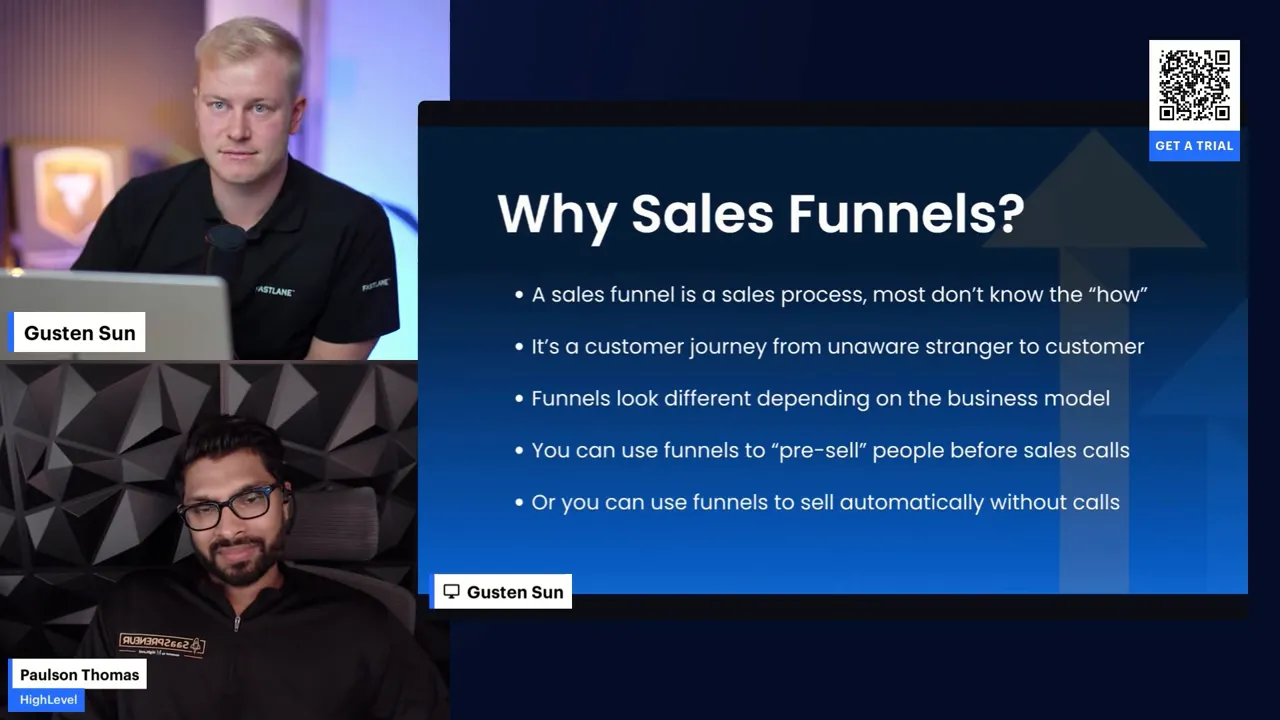
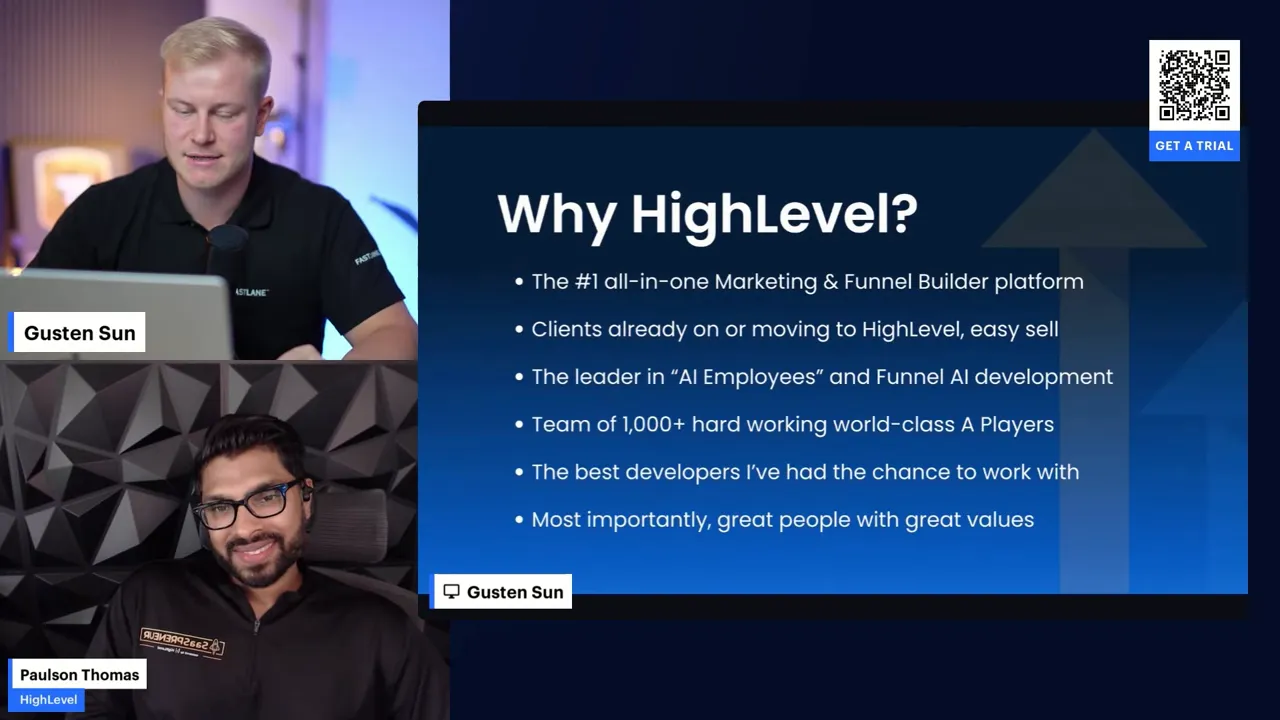
Marketing funnels are not just landing pages or pretty websites; marketing funnels are linear, measurable sales journeys that guide prospects from unaware to paid customer, and then into higher-value offers. When designed correctly, marketing funnels let you capture leads predictably, qualify them automatically, nurture them with automated sequences, and close them either through scalable cart funnels or pre-qualified sales calls. GFunnel sits at the center of this workflow: an integrated business platform where funnels, CRM (Lead Connector With GFunnel), automation, real-time analytics, and community networking converge to reduce friction and accelerate growth.
During the workshop, two recurring themes stood out: first, funnels are the truth-tellers of your business — they reveal whether the offer is strong and whether your message resonates; second, the tools you choose matter because they determine how quickly you can iterate, test, and scale. GFunnel’s value proposition is that it’s more than a funnel builder — it’s a business platform designed to turn potential into profit through automation, analytics, and community-driven growth.
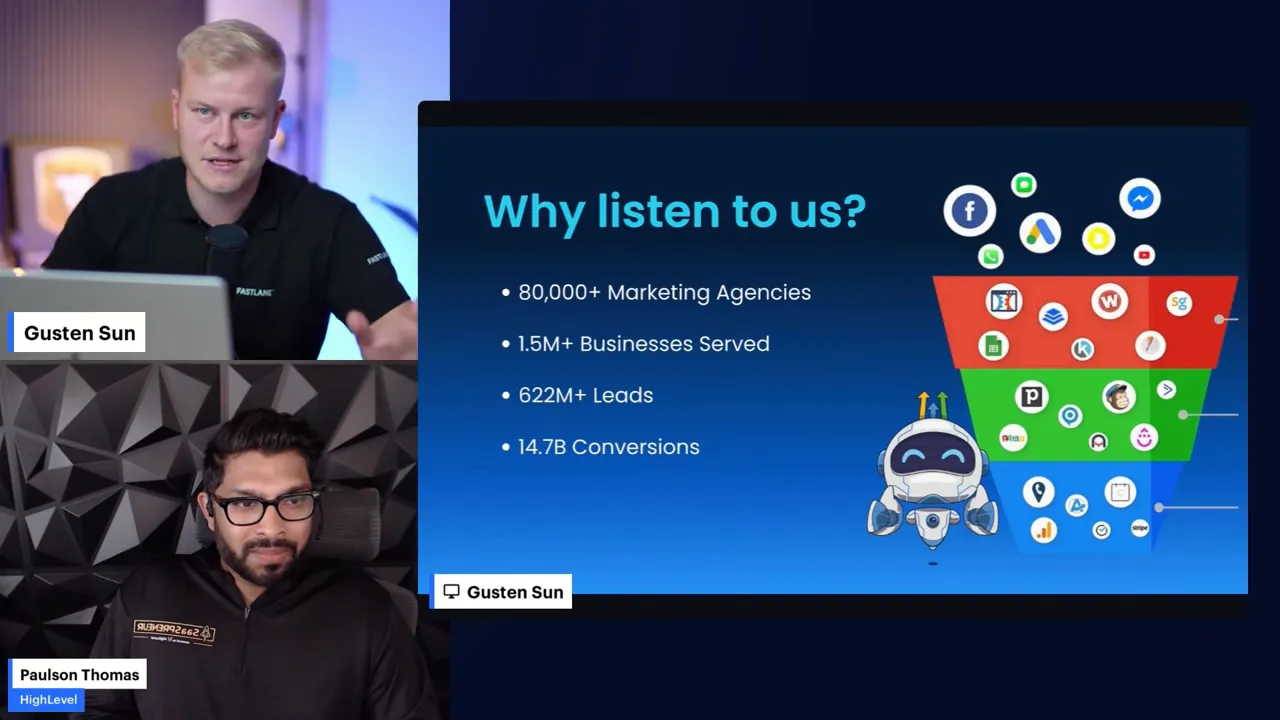
Video Insights: Strategies for Business Success
Marketers, boost your conversions with these strategies. The workshop distilled five recurring themes that any funnel-focused business must master. Each theme below includes actionable takeaways and one or two quotes from the workshop that crystalize the lesson.
1. Harnessing Automation for Growth
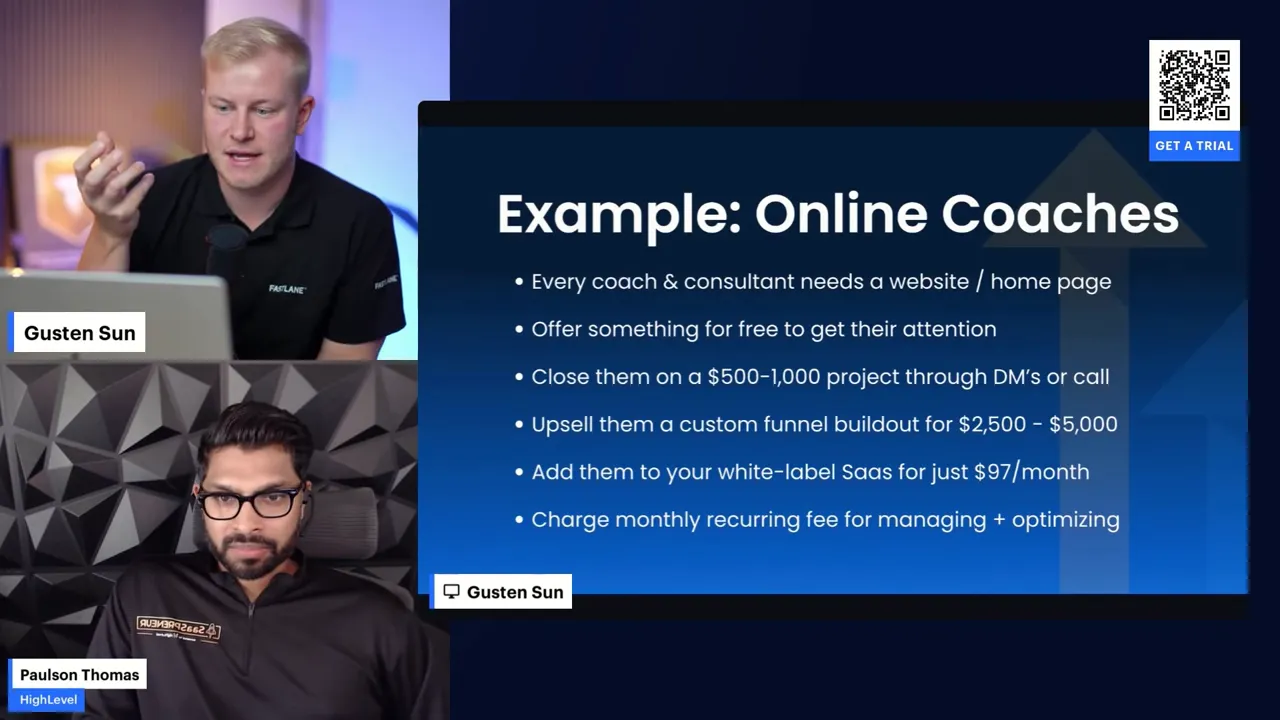
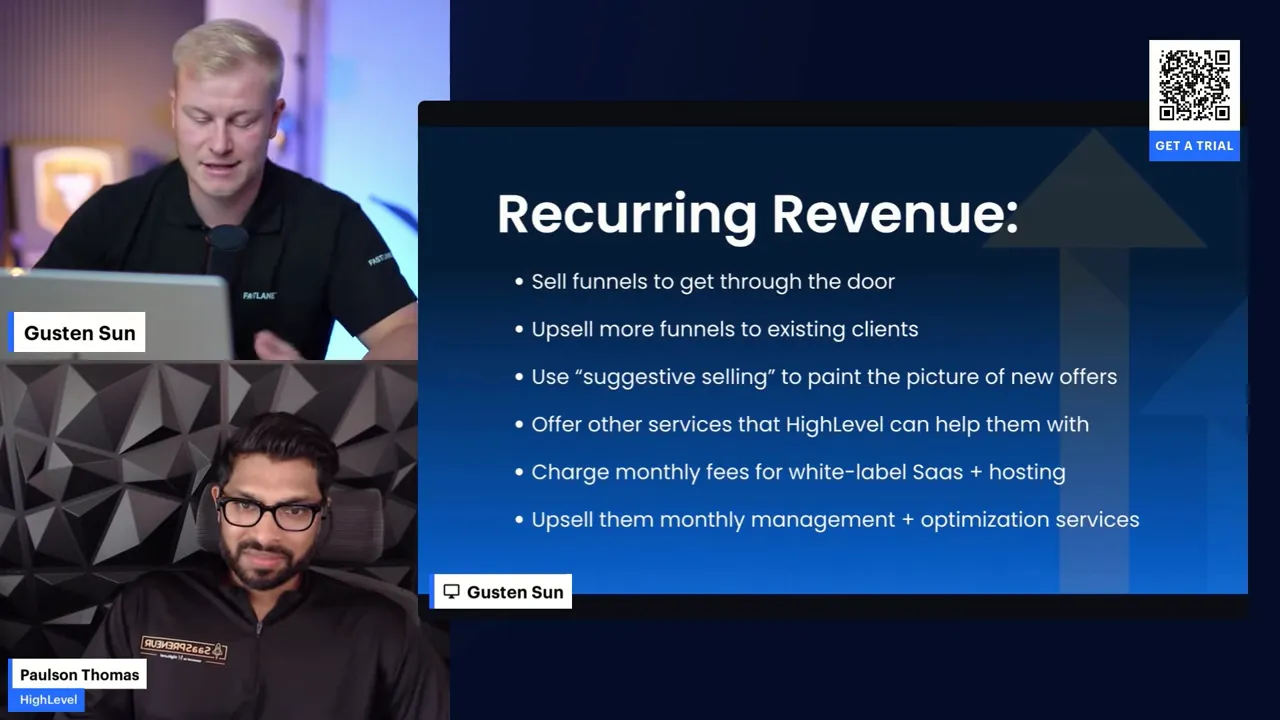
Automation is more than an efficiency play; it’s a revenue play. When you automate qualification, follow-up, and delivery, you remove human friction and scale outreach without proportional increases in headcount. The workshop emphasized recurring revenue opportunities that automation enables: sell the funnel build as a one-off project, then convert clients to subscription-based maintenance, optimization, and software hosting.
Gusten Sun: "You can charge upfront and then create recurring revenue as a funnel builder when you build it on an all-in-one platform."
Actionable takeaways:
- Create automated lead capture + qualification sequences (forms, surveys, and calendars) to pre-qualified appointments.
- Offer a maintenance or conversion optimization subscription after the initial build — this turns one-off projects into long-term relationships.
- Use automation to filter the wrong customers and focus human time on the highest-leverage calls.
2. Personalization and Offer Crafting (It Starts With the Offer)
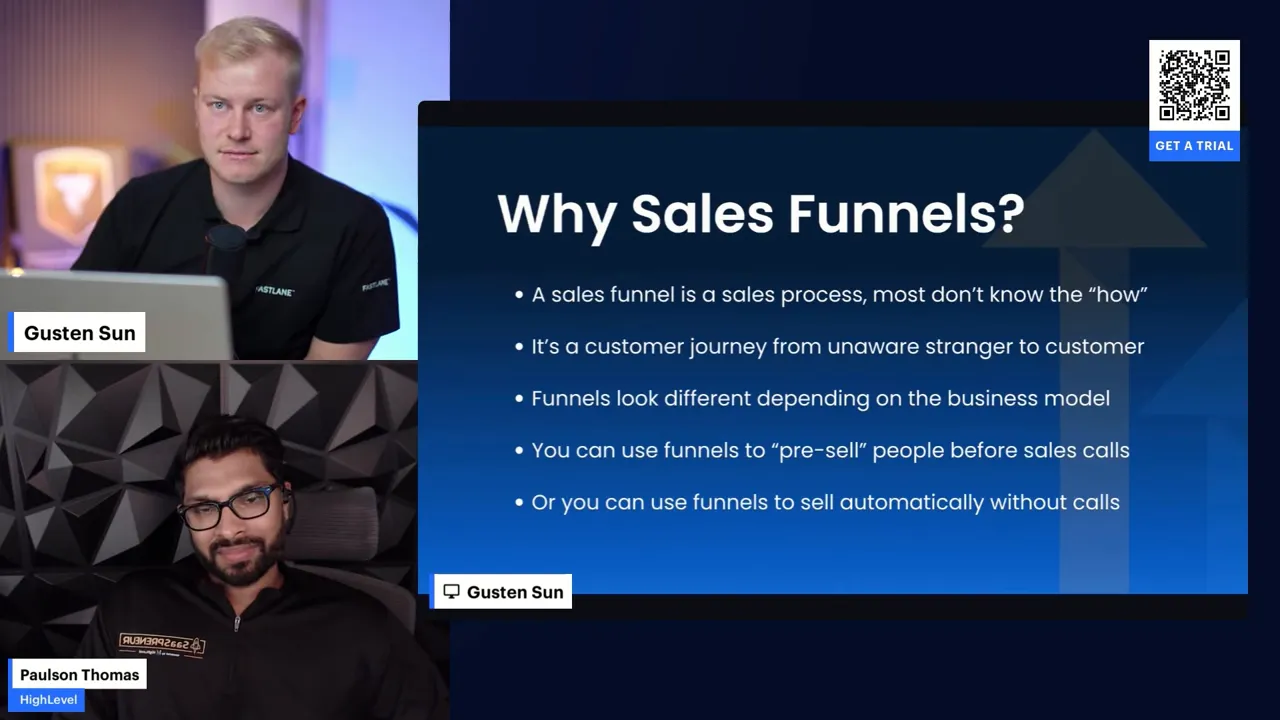
One major message repeated: you can’t out-funnel a bad offer. The strongest conversion gains come from refining the offer, the sales message, and the alignment between the offer and the target audience. Design and branding matter — they build trust — but the offer is the North Star.
Paulson Thomas: "You cannot out funnel a bad offer."
Actionable takeaways:
- Start with research: what audience do you target and what are they already buying?
- Create a simple, testable offer (low-ticket lead magnet or self-liquidating offer) to validate demand quickly.
- Use suggestive selling — show clients how one funnel can multiply into several revenue streams (book funnel ? course funnel ? coaching funnel).
3. Real-Time Analytics to Reduce Guesswork
Analytics are the heartbeat of continuous improvement. Real-time dashboards and conversion tracking allow you to find leaks in the funnel and fix them quickly. The workshop emphasized moving beyond vanity metrics to the metrics that matter: conversion rate at each stage, cost-per-acquisition (when ads are used), and revenue per visitor.
Actionable takeaways:
- Track key metrics for each funnel stage: landing view ? lead capture ? tripwire conversion ? sales conversion.
- Use snapshot templates with built-in tracking to standardize measurement across clients.
- Prioritize experiments that can be monitored in real time — headline changes, button copy, and pricing tests often yield rapid wins.
4. Community Networking and Niche Markets
Finding the right market speeds traction. The workshop championed focusing on personal brands and education markets because they are easy to find, often have multiple offers, and frequently run ads. But the broader point was about the power of community: participating in niche groups, networking, and building relationships often produces qualified leads without heavy ad spend.
Actionable takeaways:
- Pick a niche where funnels are already used — coaches, course creators, and personal brands are prime examples.
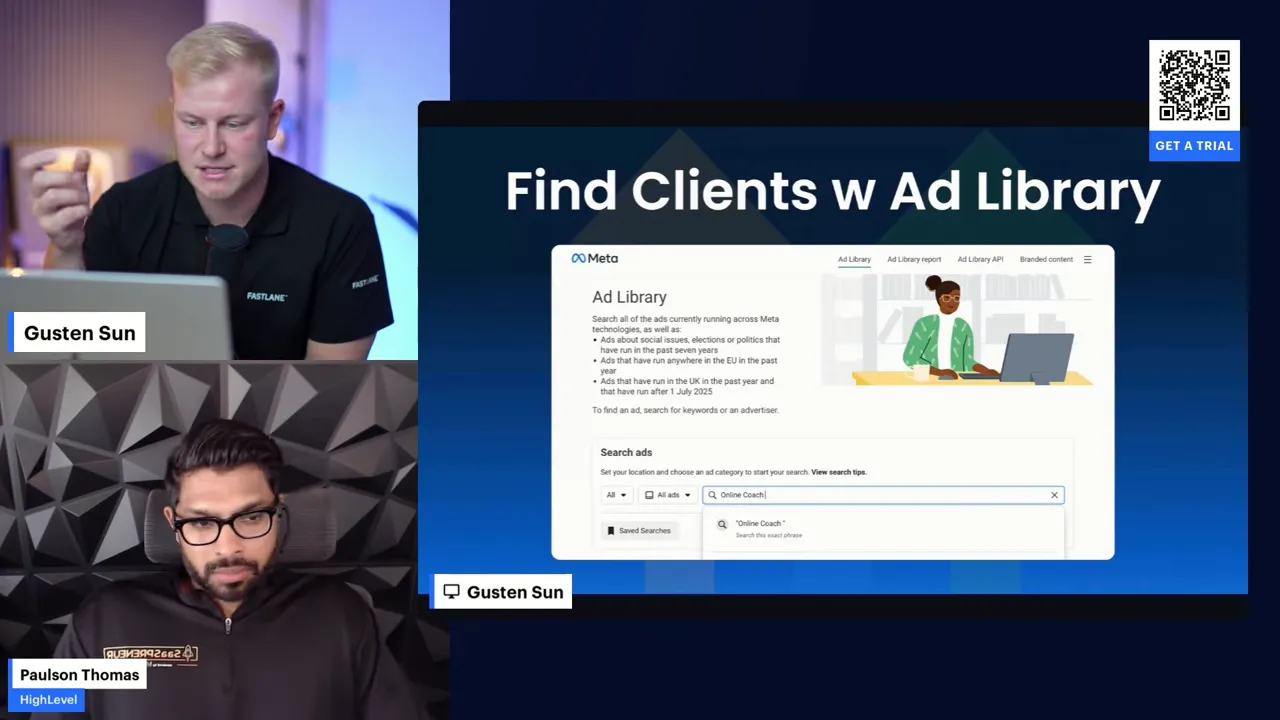
- Use niche communities (Facebook groups, LinkedIn, GFunnel communities) to find prospects and test outreach scripts.
- Document and post completed projects to make the client the hero — social proof in action.
5. AI and Template Speed: Move Fast, Test Faster
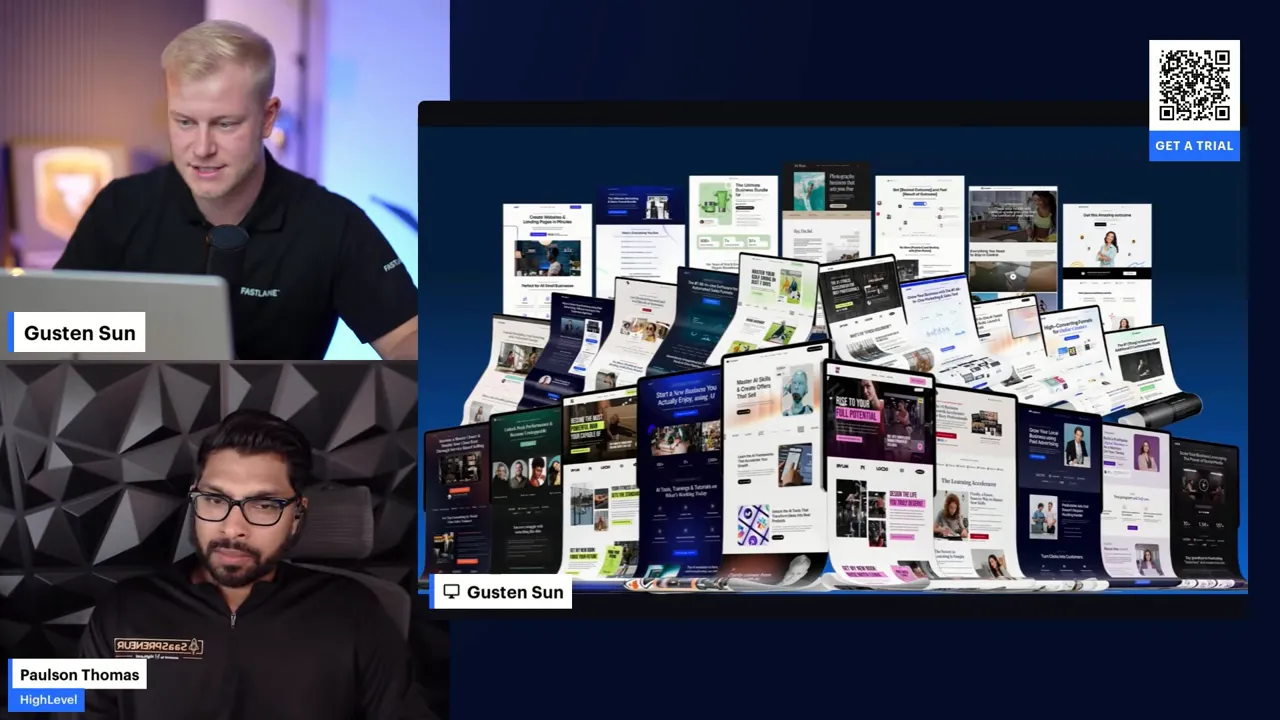
Speed matters. AI-driven templates and design tools let you prototype funnel pages, craft VSL scripts, and generate initial copy in minutes. The workshop explained how templates accelerate delivery and why using a repeatable framework can be better than custom builds when you’re scaling.
Gusten Sun: "I started using templates after building 100 funnels; you can make it look custom while using the same elements that work."
Actionable takeaways:
- Use templates for repeatable funnel types (book funnel, webinar funnel, sales cart with upsells) and then localize with branding and imagery.
- Leverage AI copy drafts for VSLs and email sequences, then refine with a human touch.
- Design for iteration — launch quickly to learn and optimize.
GFunnel’s Ecosystem Solutions — Map the themes to platform features
Small business owners, scale smarter with GFunnel. Below I map each theme from the workshop to the GFunnel feature set, showing exactly how GFunnel addresses the operational and strategic needs that matter most.
GFunnel’s Automation for Scalable Execution
GFunnel’s automation features let you reduce manual work and accelerate campaign delivery. Built-in workflows link forms, surveys, calendars, and chat widgets to create a seamless nurture and qualification engine. This is where Lead Connector With GFunnel shines: the CRM captures leads and triggers workflows that automatically segment, score, and route leads based on actions and intent.
- Feature benefit: Automation reduces manual processes by up to 50% — freeing you to focus on strategy and creative.
- How to use: Build an initial funnel with a self-liquidating offer. Use a simple automation that: capture ? email nurture sequence ? tripwire ? order form ? upsell ? delivery.
- Stat to expect: 20%–30% faster lead-to-sale cycles with pre-built automations in place.
GFunnel’s Real-Time Analytics Dashboard
GFunnel provides real-time analytics so you can observe conversion points as they happen. Instead of stitching together multiple analytics tools, GFunnel centralizes funnel, CRM, and payment data. That enables rapid problem diagnosis (which headline tanked conversions?) and fast experiments with immediate feedback.
- Feature benefit: Real-time dashboards show conversion rates and drop-offs at each funnel stage.
- How to use: For every funnel, set up key KPIs in GFunnel: landing conversion, lead-to-customer, average order value, and revenue per visitor.
- Stat to expect: Teams report a 15%–25% improvement in test velocity with centralized dashboards.
GFunnel’s Community Networking for Discovery and Growth
GFunnel is not just a tool — it’s a business platform with niche communities and networking capabilities that allow creators, entrepreneurs, and brands to share insights, find collaborators, and attract prospects. These communities dramatically increase your outreach efficiency because you meet buyers where they spend time.
- Feature benefit: Niche communities reduce cold outreach friction and accelerate trust-building.
- How to use: Join relevant GFunnel groups (E-commerce Pros, SaaS Founders, Restaurant Growth) and post case studies, templates, and event recaps to grow authority.
- Stat to expect: Members often report a 2x improvement in qualified introductions versus cold channels.
GFunnel’s Drag-and-Drop Funnel Builder and Fast Autosave
GFunnel’s drag-and-drop builder combines flexibility and speed. The platform uses a web worker to deliver a fast autosave experience (103ms) — 28x faster than many traditional editors — enabling worry-free rapid iteration. When you can prototype reliably and save instantly, you reduce development bottlenecks and get designs into the market faster.
- Feature benefit: Fast autosave prevents lost work and supports collaborative builds on live funnels.
- How to use: Use GFunnel templates and the autosave-enabled builder to iterate on page headlines and hero sections live with clients.
- Stat to expect: Up to a 40% reduction in time spent on development iterations thanks to the autosave and template library.
GFunnel’s E-commerce and Payment Integration
Whether you sell courses, physical products, or event tickets, GFunnel integrates payments and order forms directly into funnels. That means there’s no need to patch a separate cart solution into your funnel — checkouts, upsells, and order confirmations all flow within the same system.
- Feature benefit: Seamless cart funnels increase conversions and reduce technical friction.
- How to use: Configure order forms with upsells and fulfillment hooks (email sequences and automation) to maximize the buyer journey.
- Stat to expect: Typical funnel clients see a 10%–25% lift in average order value when using integrated upsells.
Lead Connector With GFunnel — CRM That Connects Funnels to Revenue
Lead Connector With GFunnel is the glue between marketing funnels and business automation. It captures the leads and then powers workflows that nurture, score, and convert them. In practice this looks like: incoming lead ? contact record ? automated messages (SMS/email) ? lead scoring ? calendar invite if qualified ? sales process or fulfillment.
- Feature benefit: Unified CRM + funnels provide a single source of truth for lead activity and revenue impact.
- How to use: Tag new leads based on the funnel they came from; apply automated nurture sequences with conditional logic for upsells and cross-sells.
- Stat to expect: Clients using integrated CRM funnels often reduce lead response time by 70% — a huge booster for conversion.
Real-World Applications — Two case studies that map workshop strategies to GFunnel outcomes
Small business owners, here are two concrete examples showing how to apply GFunnel’s ecosystem to real businesses: an e-commerce store and a restaurant with online ordering. Each case shows the funnel design, automation, measurement approach, and the business impact.
Case Study 1 — E-commerce Brand: Scaling a Product Launch with Marketing funnels and Lead Connector With GFunnel
Background: An emerging e-commerce brand sells premium yoga mats and accessories. They have a modest email list (8,000 subscribers) and organic social traction, but no automated funnel infrastructure or integrated CRM.
Goal: Launch a new product line and convert followers into buyers with a predictable funnel that minimizes ad spend.
GFunnel solution:
- Create a product launch funnel that starts with a low-ticket pre-order bundle as a self-liquidating offer. This funnel includes an optimized sales page, an order form, and a 1-click upsell for a care kit.
- Use Lead Connector With GFunnel to capture customer records, tag them by offer interest, and trigger post-purchase sequences for onboarding and cross-sell opportunities.
- Set up real-time analytics to monitor landing conversion, purchase conversion, and upsell conversion. Use GFunnel’s A/B testing features to iterate the hero headline and CTA.
- Launch to the existing email list first to validate messaging, then scale with targeted ads once conversion benchmarks are met.
Results (hypothetical but realistic based on platform capabilities):
- Launch week conversion from landing to purchase: 3.2%
- Upsell take rate: 18%
- Average order value increased 27% because of the integrated upsell flow
- Time saved on operational tasks (order confirmation and onboarding sequences): ~6 hours/week via automation
"GFunnel's automation and community guidance cut our launch time in half and doubled our early revenue." — E-commerce Founder
Case Study 2 — Local Restaurant: From Walk-In Traffic to Repeat Customers Using GFunnel
Background: A fast-casual restaurant wants to move more orders online and create repeat customers. They have a loyal local base but low online repeat rates.
Goal: Implement an online ordering funnel that drives first-time orders and nurtures customers to return with offers and loyalty incentives.
GFunnel solution:
- Build a funnel hub that acts as the digital front door (menu funnel ? order form ? confirmation page).
- Integrate online ordering with customer data capture (call-to-order + email/SMS opt-ins) using Lead Connector With GFunnel to tag first-time vs returning customers.
- Create automated drip messages: post-order thank-you with a time-limited discount for the next order; segment customers by order value and frequency for targeted campaigns.
- Monitor real-time analytics to identify drop-off points in the ordering process (menu selection complexity, coupon usage, checkout abandonment).
Results (hypothetical but grounded):
- First-time order conversion uplift by optimizing order form: +22%
- Repeat order rate within 30 days increased from 8% to 18% using automated reminders and targeted coupons
- Operational time saved by automated confirmations and kitchen integration: 10+ hours/week
"GFunnel's restaurant features and automation turned our one-off customers into repeat diners — within a month." — Restaurant Owner
Why GFunnel Leads — Comparison and Competitive Advantages
Why choose GFunnel over a stack of separate tools? GFunnel is designed as an integrated business platform: funnels, CRM (Lead Connector With GFunnel), automation, community networking, e-commerce payments, and analytics live together. That integration reduces handoffs, shortens test cycles, and reduces monthly tool costs.
Below is a compact comparison styled as a dynamic table (presented as a labeled list due to format):
Traditional Business Tools vs. GFunnel’s Ecosystem
Competitive advantages summarized:
- All-in-one system reduces tool fragmentation and lowers total cost of ownership.
- Fast autosave reduces lost work and increases test velocity.
- Lead Connector With GFunnel unifies lead data, enabling smarter, faster campaigns.
- Community-driven growth offers discovery and collaboration advantages that pure SaaS players lack.
Actionable Blueprint — From zero to first client using GFunnel
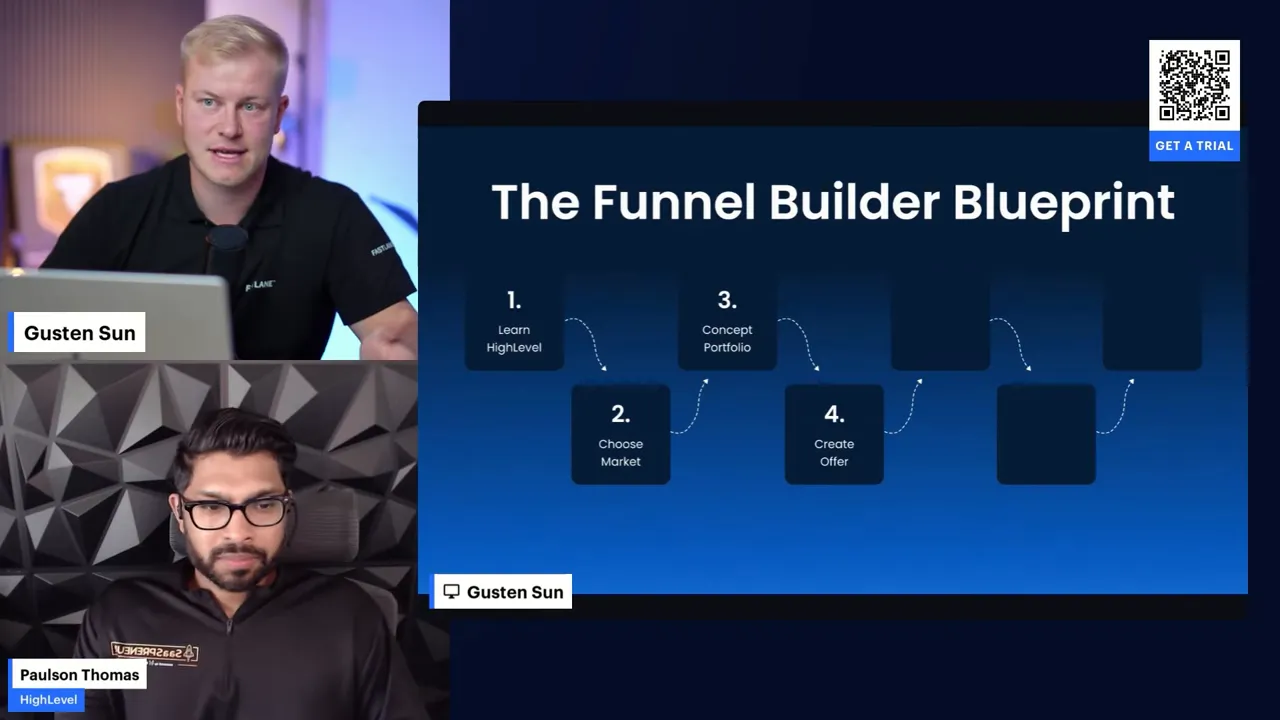
Small business owners, follow this compact roadmap inspired by the workshop to land your first GFunnel client and turn that one client into recurring revenue.
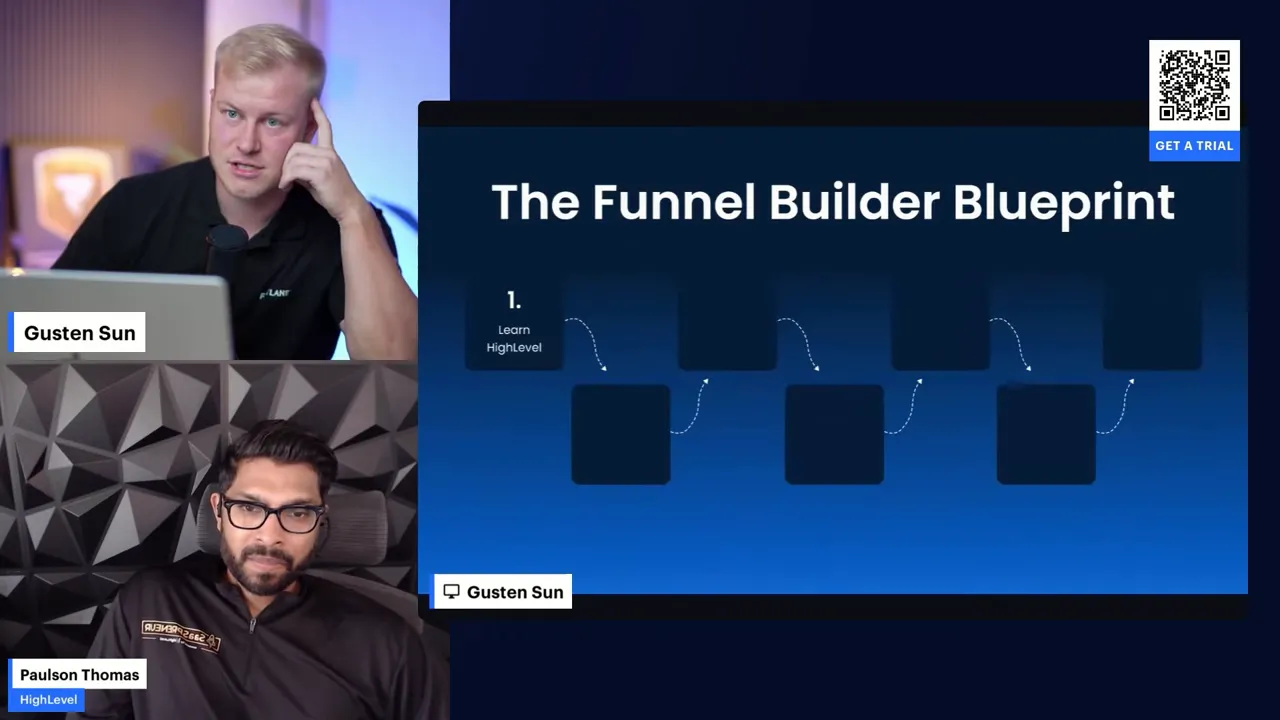
- Learn the basics: Sign up for a free trial, explore templates and snapshots, and add your domain to get a live presence.
- Choose your market: Focus on buyers already open to marketing funnels — personal brands, course creators, and coaches are great starting points.
- Build a concept portfolio: Create 2–3 concept funnels using templates and mock data. These serve as visual proof of capability without requiring prior clients.
- Offer instant value: Outreach with a low-risk offer — a 1–2 hour audit, Loom video review, or a free hero section mock-up.
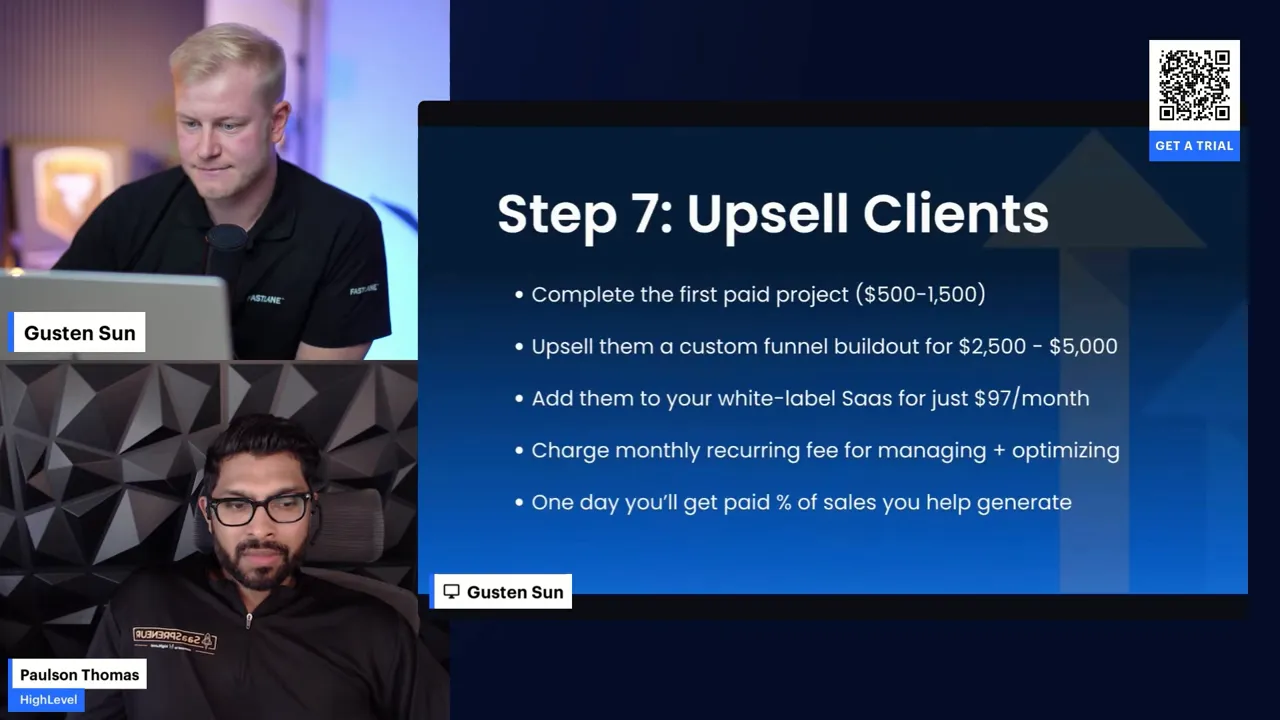
- Convert free work to paid: Use price anchoring: present a comprehensive $2,500–$5,000 full funnel as the primary offer and offer a special $500 build to get started (testimonial in exchange).
- Deliver and upsell: After delivery, offer software hosting (Lead Connector With GFunnel) and a monthly optimization retainer; suggest additional funnels to increase lifetime customer value.
- Measure and iterate: Use GFunnel’s analytics to run split tests, measure lift, and communicate measurable ROI to the client.
CTA: Ready to build your first funnel? Create an account and access templates and snapshots to speed your launch: https://www.gfunnel.com/create-account
Conclusion and Call to Action
Marketing funnels are the connective tissue between audience and revenue. From the workshop’s key teachings — start with a strong offer, use templates and automation to launch fast, and measure results with real-time analytics — GFunnel emerges as the practical platform to execute those lessons at scale. Lead Connector With GFunnel ties funnels to CRM and automation so your marketing becomes a measurable growth engine.
If you’re building funnels for clients or for your own business, GFunnel helps you do it faster, more reliably, and with fewer tools. It bundles the builder, CRM, e-commerce, community, and analytics into one ecosystem. To get started, try GFunnel’s free trial, explore the funnel templates on the funnel home, test the automation features, and join relevant communities to accelerate client discovery.
Explore GFunnel resources and get started:
- GFunnel homepage: https://www.gfunnel.com
- GFunnel automation features: https://www.gfunnel.com/automation-home
- GFunnel funnel builder and templates: https://www.gfunnel.com/funnel-home
- GFunnel pricing and plans: https://www.gfunnel.com/create-account
- Join GFunnel communities: https://www.gfunnel.com/communities
Small business owners, scale smarter with GFunnel — build marketing funnels, automate follow-ups, connect teams, and turn traffic into predictable revenue.
Frequently Asked Questions (FAQs)
Related Topics
- Scale restaurants with GFunnel — overview and case examples (visit GFunnel homepage)
- Build marketing funnels with GFunnel — templates and snapshots (funnel home)
- Automate business operations with GFunnel — automation features and workflows (automation home)
For ongoing guidance, templates, and community support, create your GFunnel account and join the communities focused on your niche. Test the platform, iterate on an offer, and measure the impact — that’s how marketing funnels become profit engines.