

Lead Connector With GFunnel: How Marketing Funnels and Custom Objects Power Business Growth
Outline
- Introduction: Why Lead Connector With GFunnel and marketing funnels matter
- Video Insights: Practical themes—automation, data portability, personalization, analytics, and networking
- GFunnel’s Ecosystem Solutions: Mapping themes to GFunnel features
- Real-World Applications: Two case studies with hypothetical testimonials
- Why GFunnel Leads: Competitive comparison and practical advantages
- Conclusion and Calls to Action
- FAQs
Introduction — Lead Connector With GFunnel and Marketing Funnels (300–400 words)
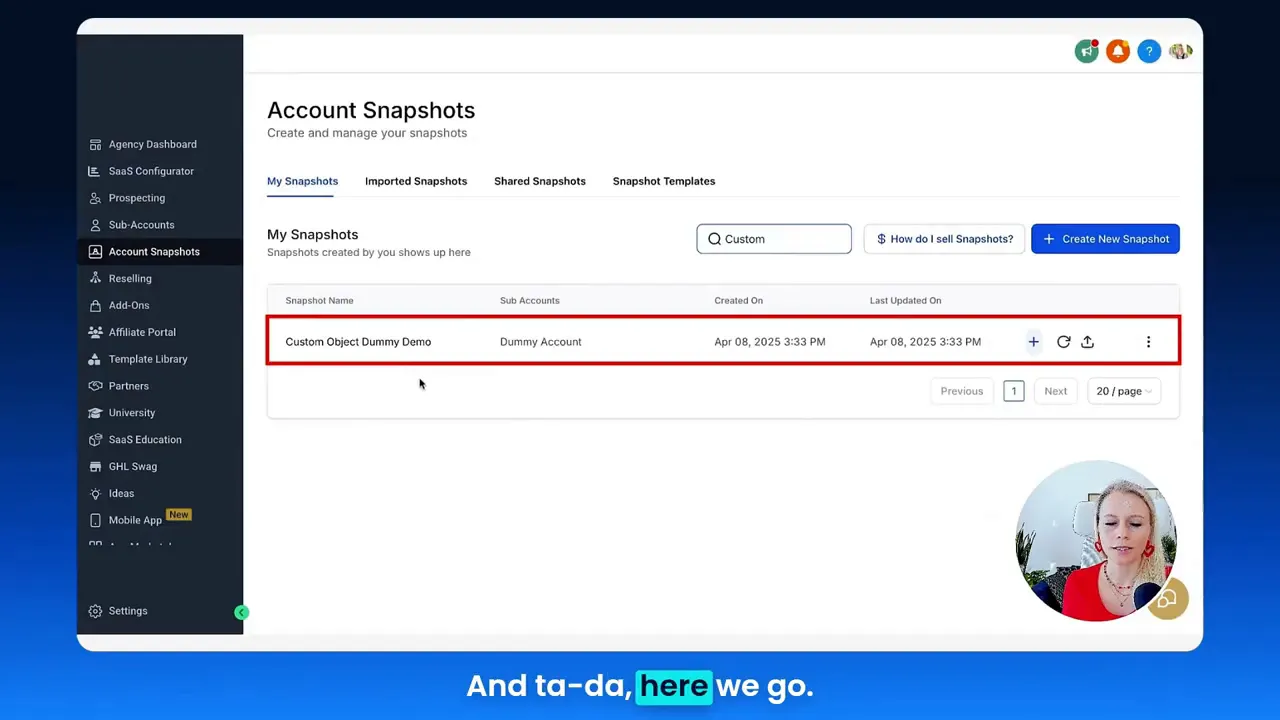
In many setups, moving data between accounts or cloning an efficient setup becomes a headache—especially when you rely on custom data objects such as customer profiles, product inventories, or industry-specific records. That’s where the concept of portable, snapshot-driven transfers shines. Using snapshot functionality inside an account ecosystem (the same way you would create account snapshots and include custom objects) lets teams replicate complex data structures—complete with associated custom fields and linked contacts—across subaccounts or client accounts. This approach preserves data integrity, cuts setup time, and keeps your marketing funnels consistent across locations and campaigns.
Lead Connector With GFunnel and its overall ecosystem help you scale marketing funnels faster by offering:
- Replicable templates and snapshots for accounts and data objects
- Deep CRM integration so funnels trigger personalized automation
- Real-time analytics to observe funnel performance at every stage
- Community and networking features to accelerate knowledge sharing and growth
Whether you’re a small business owner exploring your first funnel, an e-commerce entrepreneur optimizing checkout flows, or a marketer managing multiple client accounts, Lead Connector With GFunnel can dramatically simplify how you build, manage, and scale marketing funnels while keeping your operational data synchronized. Throughout this article, I’ll expand on the practical techniques—like snapshot transfers and custom objects—and map those practices to GFunnel’s features so you can implement them right away.
Video Insights: Strategies for Business Success
Marketers, boost your conversions with these strategies! From the example workflow I use when creating and transferring snapshots, five themes emerge as foundational tactics for modern businesses building marketing funnels and scalable operations: Automation, Data Portability & Custom Objects, Personalization, Real-Time Analytics, and Community Networking. Each theme supports building strong funnel architectures and a resilient business system.
1. Harnessing Automation for Scale
Automation reduces manual work and enforces consistency across funnel stages. When you build workflows that trigger messages, assign tasks, or personalize promotions based on CRM data, you free up time for strategic activities.
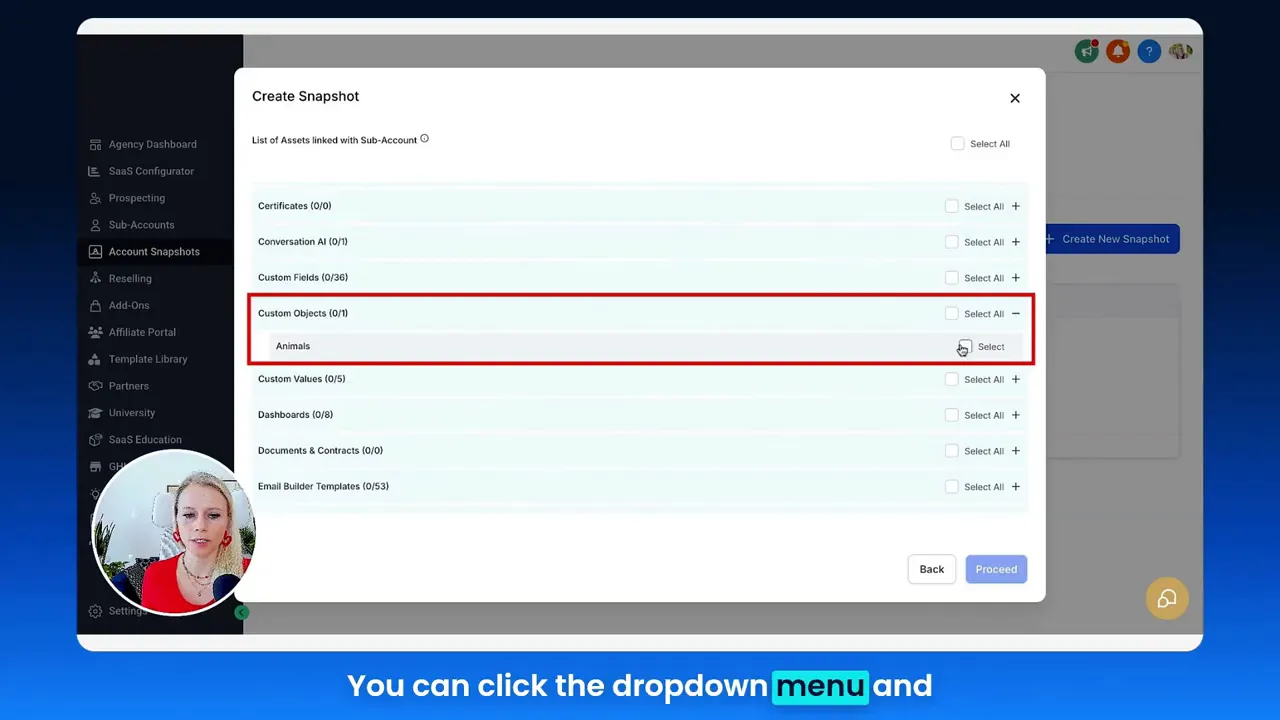
“You can not only include custom objects, but also all their associated custom fields.” — Tina
Key automation takeaways from the workflow:
- Use account snapshots to replicate the automation triggers and associated data structures across subaccounts.
- Leverage automations to map funnel stages to follow-up sequences—prospect captured ? nurture sequence ? sales conversation ? post-purchase journey.
- Automate conflict checks when loading snapshots into client accounts so you catch duplicate fields or name collisions early.
Stat: Automation can reduce repetitive manual work by up to 50% when properly implemented, enabling teams to focus on creative and strategic improvements.
2. Data Portability: Custom Objects and Consistent Data Models
Data portability is essential when you manage multiple locations, franchisees, or client accounts. Custom objects (like product SKUs, appointment types, animals in a veterinary database, or membership tiers) let you model domain-specific data cleanly.
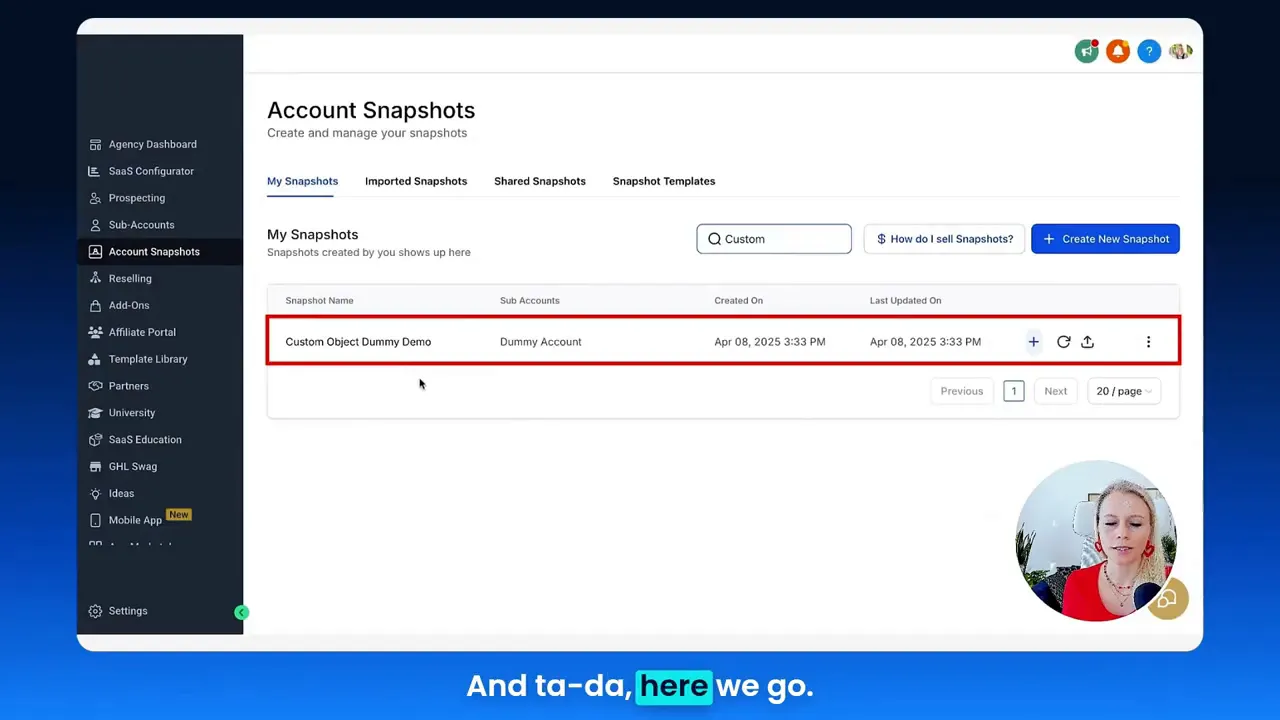
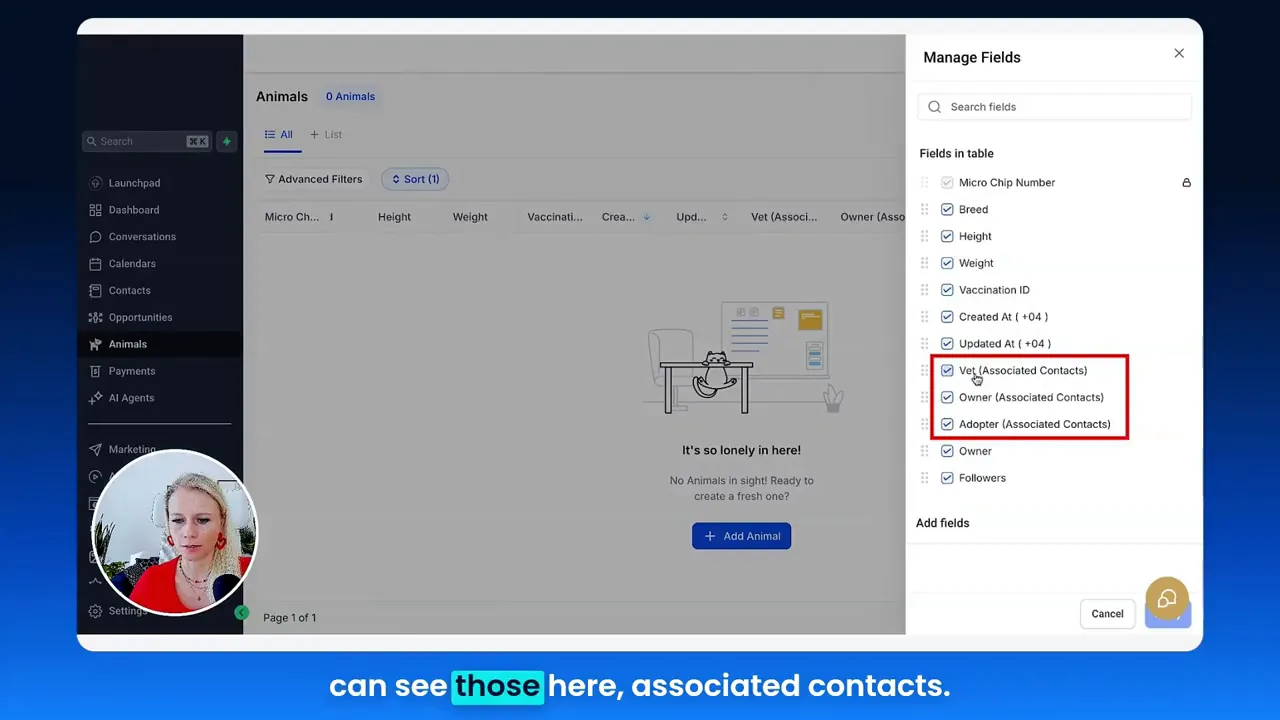
When you move an entire account configuration through a snapshot, you transfer not only the custom object but also its custom fields and associations—this preserves relational integrity and reduces manual recreation of complex data models in the destination account.
“This comes in really handy if you need to copy custom objects data across different sub accounts.” — Tina
Practical steps highlighted in the workflow:
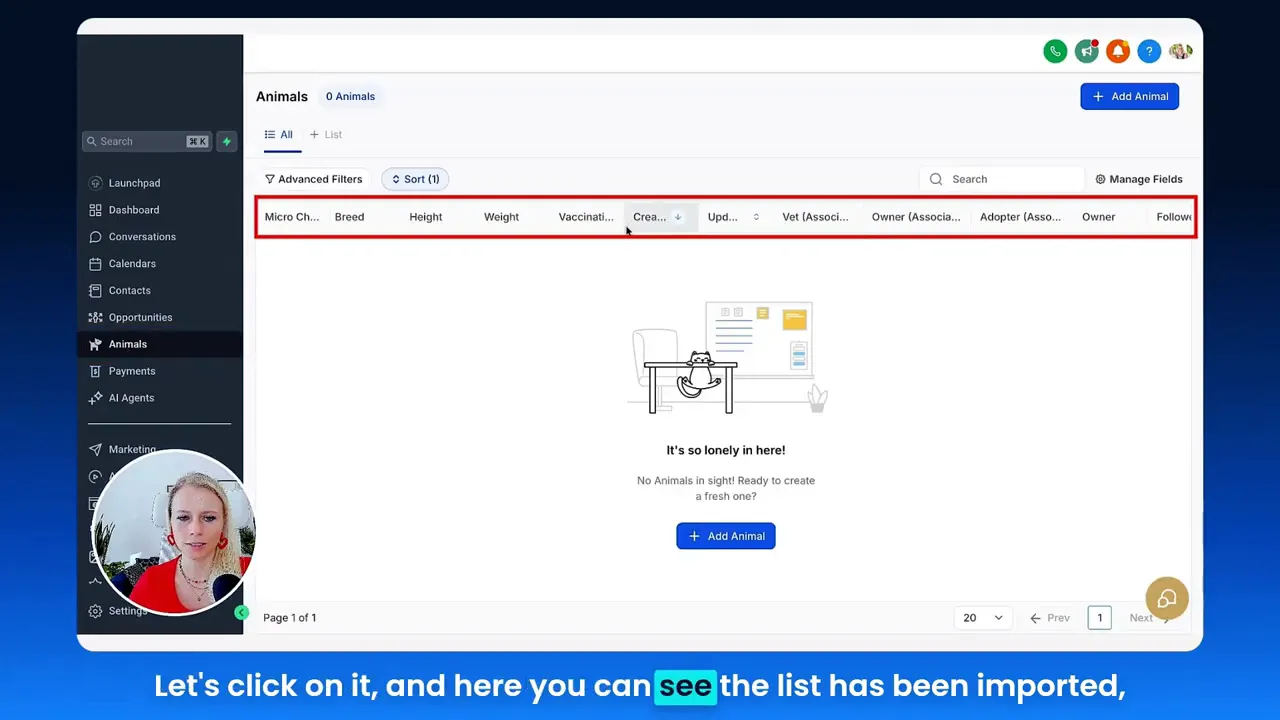
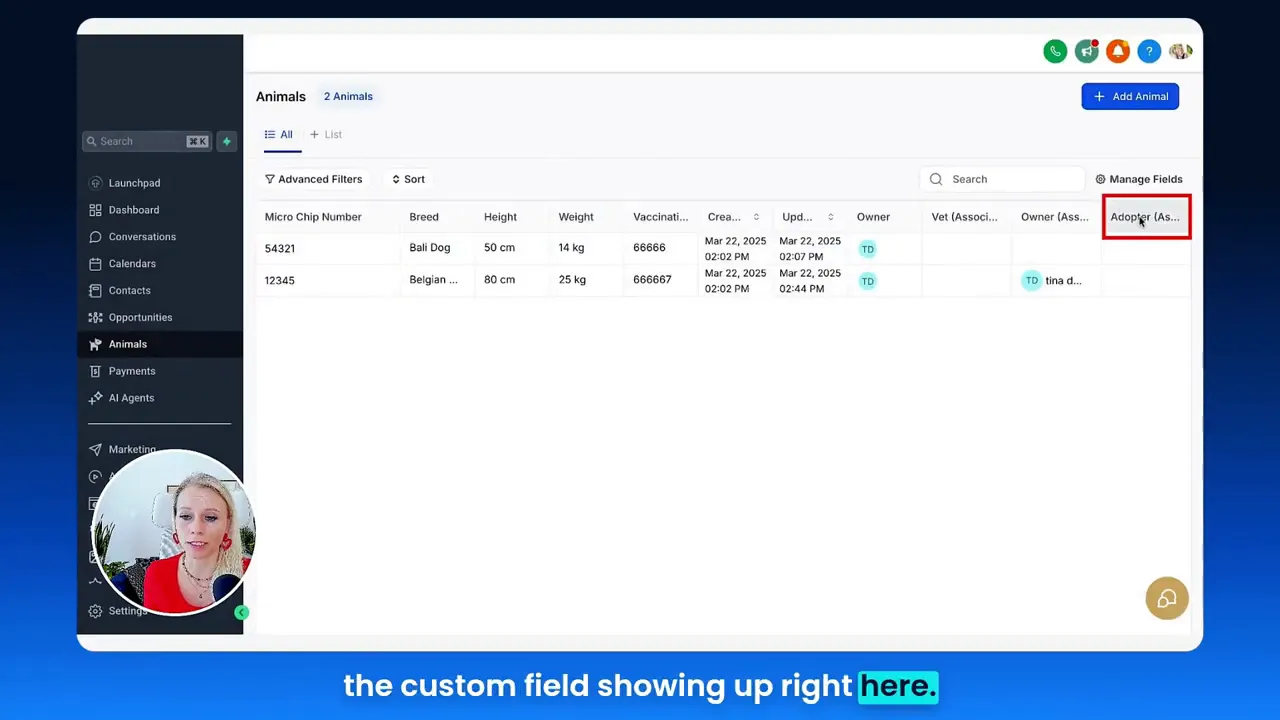
- Design custom objects carefully, keeping associations explicit (e.g., owner or adopter linked to contact records).
- Use snapshot previews and conflict checks before loading into the destination environment.
- Limit snapshot complexity to recommended sizes (the example workflow notes a maximum of three custom objects for snapshot transfer in a single snapshot to avoid creation failures).
Stat: Using portable snapshots can reduce onboarding or multi-site replication time by more than 60% depending on complexity.
3. Personalization Through Data Associations
Personalization is grounded in data. The more structured and associated your data is, the more precise your personalization can be. Custom fields and associations—like linking an adopter to an animal—enable targeted messages and custom funnel branching.
Use the CRM associations to create audience segments within your marketing funnels and trigger specific sequences. For example, a veterinary clinic can segment by species, age group, or owner status to promote tailored services or reminders.
- Create segments that matter to your revenue flows and lifecycle stage.
- Use association-based triggers—when a contact becomes an owner or adopter, move them into a targeted re-engagement funnel.
4. Real-Time Analytics and Monitoring
Real-time analytics are critical for diagnosing where leads drop out of your funnel and for iterating quickly. Observability—knowing what happens in each funnel step as it happens—lets you test and improve conversion paths much faster.
Measure not only conversion rates but micro-interactions: form completion times, click-throughs, and task completion rates tied to automation outcomes. Real-time dashboards help you prioritize optimization efforts and identify failing automations before they impact revenue.
5. Community Networking and Shared Knowledge
Community networking is a multiplier. Sharing templates, snapshot configurations, and best practices across niche communities—such as e-commerce pros or restaurant owners—accelerates learning. Communities also provide a source of tested funnels, which you can import and adapt using snapshot tools.
Action: Join niche GFunnel communities to swap funnel templates and snapshot strategies—this decreases implementation time and increases solution reliability.
Each of these themes reinforces the others: snapshots and custom objects improve personalization, which improves funnel performance and analytics, while automation and community knowledge scale effective strategies across accounts and teams.
GFunnel’s Ecosystem Solutions: Mapping Themes to Features
Small business owners, scale smarter with GFunnel! Below I map the core themes from the previous section to the specific GFunnel features that make them actionable. For each theme I’ll explain the feature and include a concrete benefit metric where applicable.
GFunnel’s Automation for Efficiency
GFunnel’s automation features reduce manual tasks and keep funnel steps moving. With built-in automations—automated email sequences, SMS follow-ups, task assignments, conditional logic—you can transform a lead capture into a multi-step nurture without human intervention.
- How it helps: Automations connect marketing funnels to CRM events. For example, a new lead captured via a funnel can automatically be assigned to a sales rep, added to a segmented nurture list, and scheduled for a follow-up task.
- Performance stat: Use automation features to reduce manual work by up to 50% and accelerate response times.
CTA: Try GFunnel’s automation features to streamline repetitive workflows—visit GFunnel’s automation features page for details (https://www.gfunnel.com/automation-home).
GFunnel’s Lead Connector for CRM Integration
Lead Connector With GFunnel (CRM) centralizes contact records and links them to funnel events and custom objects. That means every funnel interaction is recorded against a contact profile, enabling precision follow-ups and accurate analytics.
- How it helps: Lead Connector ensures all contact activities feed campaign logic. When a funnel converts, you can trigger onboarding sequences, billing events, and post-sale nurtures automatically.
- Performance stat: Integrated CRM-driven funnels typically see a 20%+ boost in conversion quality due to better follow-up and segmentation.
CTA: Explore GFunnel’s CRM and Lead Connector features at https://www.gfunnel.com/crm and learn how to centralize contact-driven funnels.
GFunnel’s Real-Time Analytics Dashboard
GFunnel delivers real-time analytics that let you monitor funnel health, campaign performance, and automation outcomes. Dashboards display conversions, funnel drop-off points, revenue attribution, and engagement metrics—so you can identify leaks and test rapidly.
- How it helps: Dashboards show performance at a glance and drive data-backed decisions for funnel optimization.
- Performance stat: Businesses using real-time dashboards report 15–30% faster optimization cycles compared to periodic reporting.
CTA: Use GFunnel’s analytics to spot drop-offs early and iterate on funnel stages—see GFunnel’s funnel and analytics overview at https://www.gfunnel.com/funnel-home.
GFunnel’s Fast Autosave (103ms) and UX Gains
GFunnel’s builder leverages a dedicated web worker to produce an autosave latency of approximately 103ms, delivering a 28x speed improvement over slower autosave implementations. That means less loss of work and a smoother building experience when composing landing pages, funnel steps, or automation sequences.
- How it helps: Fast autosave increases productivity and reduces friction for marketers and designers building funnels.
- Performance stat: Autosave at 103ms means near-instant saves—less risk, more speed, and improved team collaboration.
CTA: Build confidently in GFunnel’s fast builder—create your first funnel at https://www.gfunnel.com/create-account.
GFunnel’s Custom Objects and Snapshot Portability
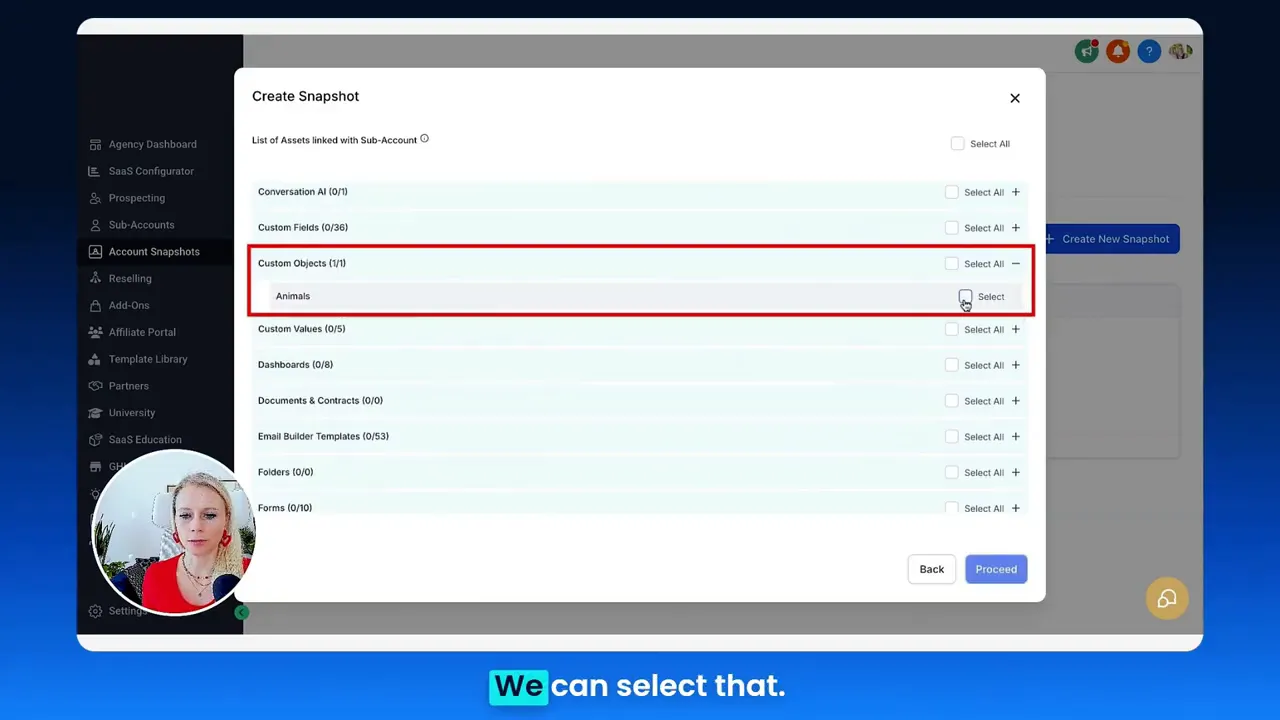
Custom objects let you represent business-specific data structures—appointments, products, animal records, table reservations, and more. When paired with account snapshot functionality, you can export those custom objects and their associated custom fields from one account and import them into another. This supports consistent deployment across franchises, multi-location businesses, or agency client accounts.
- How it helps: Snapshots preserve associations so complex relational data (contacts linked to custom objects) remains intact after transfer.
- Performance stat: Snapshot-driven setup can reduce rollout time by more than 60% for replicated business models.
CTA: Learn to create snapshots and move custom objects seamlessly (see GFunnel’s snapshot and custom objects resources at https://www.gfunnel.com/files-context/level-1-digital-marketing-social-media).
GFunnel’s Community Networking for Knowledge and Growth
GFunnel fosters niche communities for entrepreneurs and marketers to share templates, snapshots, and best practices. These communities speed up implementation by providing vetted funnels and proven templates you can import into your account using snapshots and Lead Connector integrations.
- How it helps: Access niche communities (e.g., E-commerce Pros, Restaurant Owners) for curated funnel templates and tactical advice.
- Performance stat: Businesses that actively participate in communities implement strategies up to 2x faster.
CTA: Join GFunnel communities and start collaborating—visit https://www.gfunnel.com/communities.
Real-World Applications: Two Case Studies
Small business owners, scale smarter with GFunnel by applying real-world patterns to your funnels and operations. Below are two practical case studies showing how the themes and GFunnel features come together.
Case Study 1 — E-commerce Brand: From Snapshot to Nationwide Rollout
Scenario: A mid-size e-commerce brand sells custom pet products and manages regional storefronts. They built an optimized marketing funnel that captures a lead, offers an exit-intent discount, follows up with an abandoned cart sequence, and then converts with a retargeted email promoting a personalized product recommendation. Their setup includes a custom object for “Pet Profiles” so customers can save their pet’s breed, microchip number, weight, and preferred size.
Solution using GFunnel:
- Design a custom object “Pet Profile” with fields like microchip ID, breed, height, owner contact (association), and adopter status.
- Create the marketing funnel with a high-converting landing page, capture form, and automation sequence triggered on conversion.
- Use Lead Connector to ensure captured leads get matched to existing customers or to create new contact records with linked Pet Profile objects.
- Create an account snapshot containing the funnel, automations, and Pet Profile object. Export and import the snapshot into regional subaccounts to roll out the same funnel and data model consistently.
- Monitor conversions and funnel drop-off using GFunnel’s real-time analytics and iterate on messaging and timing.
“GFunnel’s automation saved us hours weekly! Our team now focuses on product development rather than repetitive follow-ups.”
Results (hypothetical):
- Deployment time per region reduced from 3 days to under 2 hours.
- Abandoned cart recovery improved by 12% within the first month due to immediate automation triggers.
- Customer lifetime value increased 8% by using Pet Profile data to personalize cross-sell recommendations.
Long-tail keywords: build marketing funnels with GFunnel, best business platform for entrepreneurs, automate business operations with GFunnel.
CTA: If you run multi-location e-commerce, use GFunnel’s snapshot feature to scale templates across your organization—start with https://www.gfunnel.com/funnel-home.
Case Study 2 — Local Restaurant Chain: Reservations, Menus, and Repeat Customers
Scenario: A restaurant chain wants to standardize online ordering, table reservations, and loyalty programs across locations. Each location needs a tailored funnel for online ordering and a custom object for “Table Reservations” tied to customer records, order history, and promotional eligibility.
Solution using GFunnel:
- Create a Table Reservation custom object with associations to customer contacts and order events.
- Build tailored funnels for lunch offers and weekend specials, integrating online ordering and push notifications.
- Use Lead Connector to align reservation data to customer profiles and to trigger post-visit automations (feedback request, loyalty points).
- Snapshot the funnel, Table Reservation object, and automation flows. Load the snapshot into each franchisee’s subaccount to ensure consistent functionality and reporting.
- Leverage the GFunnel restaurant ecosystem to manage menu updates, payments, and Call Net Capture to convert walk-in interest into contact records for future marketing funnels.
“GFunnel’s communities doubled our local promotions’ reach and helped us test menu funnels faster.”
Results (hypothetical):
- Reservation funnel conversion rate improved by 20% after implementing personalized offers tied to historical orders.
- Order repeat rate increased by 15% through automated loyalty nudges and targeted re-engagement campaigns.
- Franchise onboarding time for new locations fell by 70% due to snapshot portability.
CTA: Restaurants can explore GFunnel’s restaurant tools and Call Net Capture at https://www.gfunnel.com for a tailored rollout.
Why GFunnel Leads — Competitive Advantages
Small business owners evaluating CRM and funnel tools must ask: does this tool help me centralize, automate, analyze, and scale? GFunnel competes by offering a tightly integrated stack: funnels, Lead Connector CRM, automation, real-time analytics, community networking, and e-commerce. The combined effect is lower friction, faster rollouts, and more reliable growth outcomes.
Advantages at a glance:
- All-in-one platform: No stitching together disparate tools for funnels, CRM, payments, and community.
- Snapshot portability: Clone reliable workflows and domain-specific data (custom objects) across accounts.
- Fast autosave (103ms): Reduced data loss and faster collaborative work in the funnel builder.
- Community-driven growth: Access templates and mentorship through targeted communities.
- Scalable pricing: Plans that serve hobbyists to enterprises, with a free tier for testing and premium tiers for advanced integrations.
Dynamic comparison — Traditional Business Tools vs. GFunnel’s Ecosystem
- Autosave Speed: Traditional Methods — Slow (seconds). GFunnel — Fast (103ms, 28x faster).
- Automation: Traditional Methods — Manual processes, spreadsheets. GFunnel — 50% less manual work via automations.
- Networking: Traditional Methods — Scattered communities, limited peer access. GFunnel — Niche communities for collaboration.
- Analytics: Traditional Methods — Multiple third-party tools stitched together. GFunnel — Real-time dashboards with built-in attribution.
- Tailored Solutions: Traditional Methods — Generic tools, heavy custom engineering. GFunnel — Purpose-built funnel templates and snapshot portability for consistent rollouts.
Cost and adaptability: GFunnel’s pricing structure—offering tiered plans and an accessible free tier—makes it affordable for small business owners while staying robust enough for enterprise needs. The unified system reduces integration costs and the friction that often kills implementation projects.
CTA: Compare GFunnel plans and affordable options at https://www.gfunnel.com/pricing (explore plan tiers on the GFunnel pricing page).
Implementation Checklist: Convert Insights into Action
Use this checklist to move from idea to implemented funnel using Lead Connector With GFunnel:
- Identify the funnel type you need (lead gen, e-commerce checkout, booking/reservation, membership).
- Define custom objects that represent your critical domain data (products, reservations, pet profiles, etc.).
- Build the funnel landing page and capture forms in GFunnel’s funnel builder.
- Create Lead Connector contact mappings and ensure associations to custom objects are defined.
- Design automations for follow-up sequences and internal task routing.
- Snapshot the funnel, objects, and automations—use snapshot previews to detect conflicts.
- Load the snapshot into target subaccounts or client accounts; resolve any conflict checks if they appear.
- Monitor funnel performance in real-time analytics and iterate with A/B tests.
- Share the proven funnel template in a GFunnel community for feedback and iterative improvement.
CTA: Start your first funnel and map custom objects at https://www.gfunnel.com/create-account.
Conclusion and CTA (250–350 words)
Marketing funnels are more than sequences of pages and emails—they’re living systems that require structured data, automation, measurement, and community feedback to thrive. Lead Connector With GFunnel ties these elements into an integrated business platform, allowing you to design marketing funnels that scale across locations and teams while preserving critical relational data through custom objects and snapshots.
By using snapshot portability and custom objects, you avoid the repetitive work of recreating data models and can quickly replicate successful funnels across subaccounts—ideal for agencies, franchises, and multi-location businesses. Couple that with GFunnel’s fast autosave, real-time analytics, and vibrant communities, and you’ll find a platform that isn’t just a funnel builder—it’s an operational engine for growth.
Take action: if you’re ready to move beyond isolated funnel tools and adopt a unified system for funnel creation, CRM, automation, analytics, and networking, explore GFunnel and Lead Connector today. Create your account, test a funnel, or join a relevant community to leverage templates and shared expertise. Your next successful rollout could be a snapshot away.
Explore GFunnel resources:
- GFunnel homepage: https://www.gfunnel.com
- GFunnel automation features: https://www.gfunnel.com/automation-home
- GFunnel communities: https://www.gfunnel.com/communities
- Create an account: https://www.gfunnel.com/create-account
FAQs
Related Topics & Next Steps
- Scale Restaurants with GFunnel — check the restaurant ecosystem resources on GFunnel: https://www.gfunnel.com
- Build marketing funnels with GFunnel — see the funnel tools and how to map conversions: https://www.gfunnel.com/funnel-home
- Automate business operations with GFunnel — automation resources and workflows: https://www.gfunnel.com/automation-home
Final Testimonials
“GFunnel’s automation and snapshots reduced our rollout time drastically—we replicate winning funnels across locations with confidence.”
“GFunnel communities provided the funnel templates we needed to get started; the shared knowledge paid for itself within weeks.”
Thank you for taking the time to read this guide on Lead Connector With GFunnel and marketing funnels. Implement the checklist, connect with communities, and let GFunnel’s combined tools power the next stage of your business growth.