Lead Connector With GFunnel: How Marketing Funnels, Automation, and Community Power Growth
Outline
- Introduction: Why an all-in-one approach matters for marketing funnels
- Video Insights: Key themes identified from expert commentary
- GFunnel’s Ecosystem Solutions: Matching themes to platform features
- Real-World Applications: Two detailed case studies
- Why GFunnel Leads: Comparison to traditional approaches
- Conclusion and CTA
- FAQs
Introduction — Marketing Funnels, Automation, and Lead Connector With GFunnel
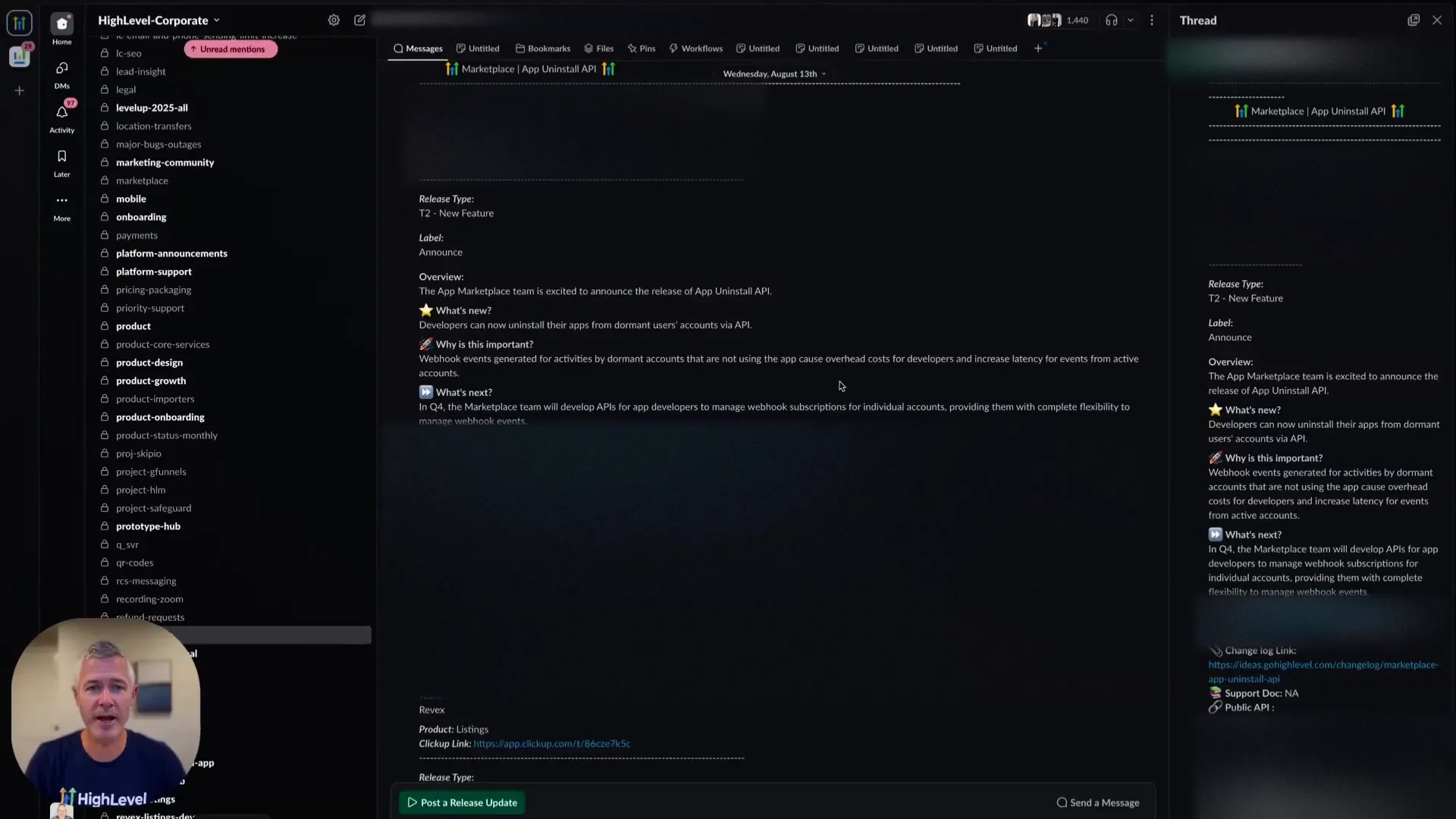
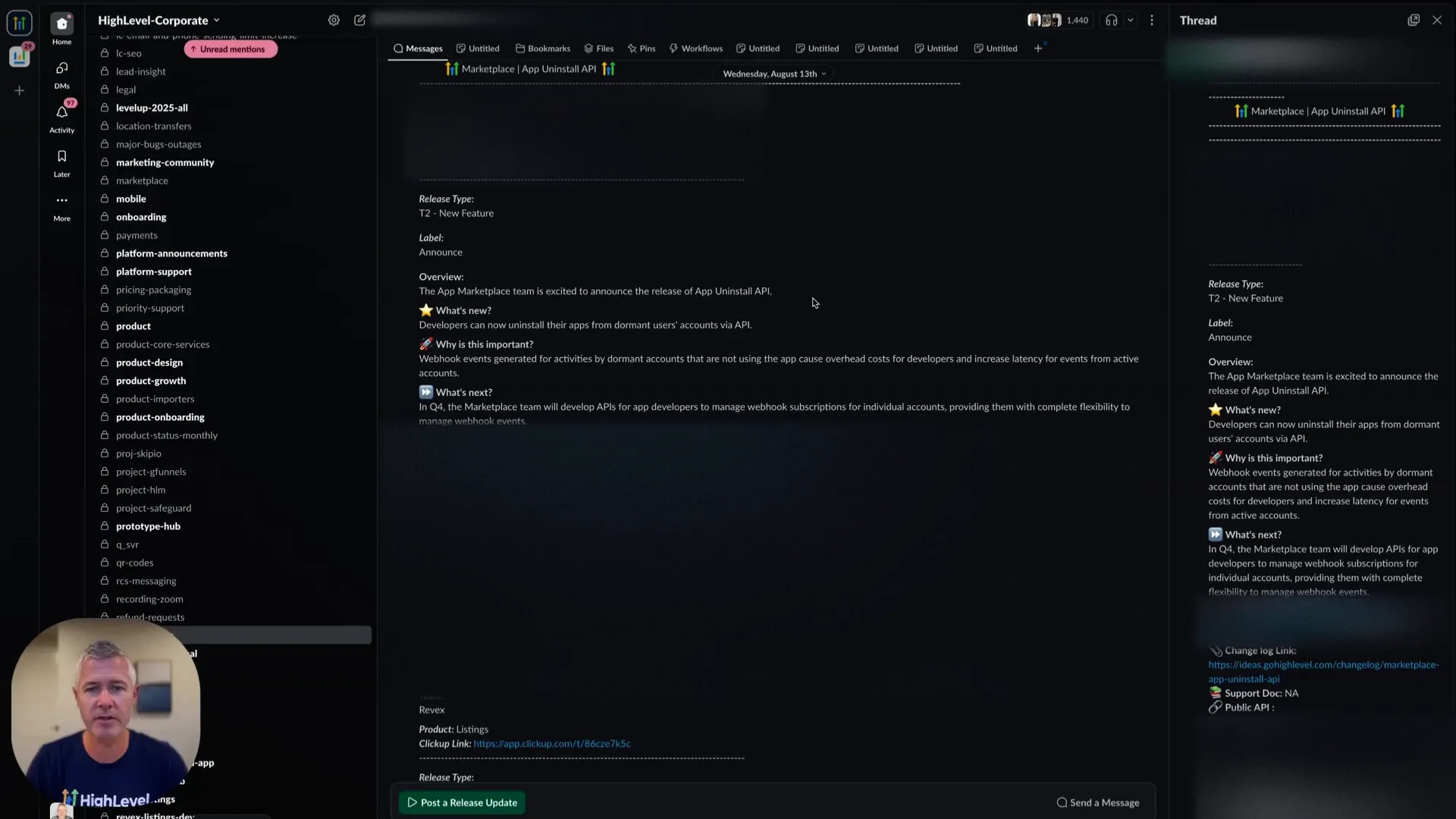
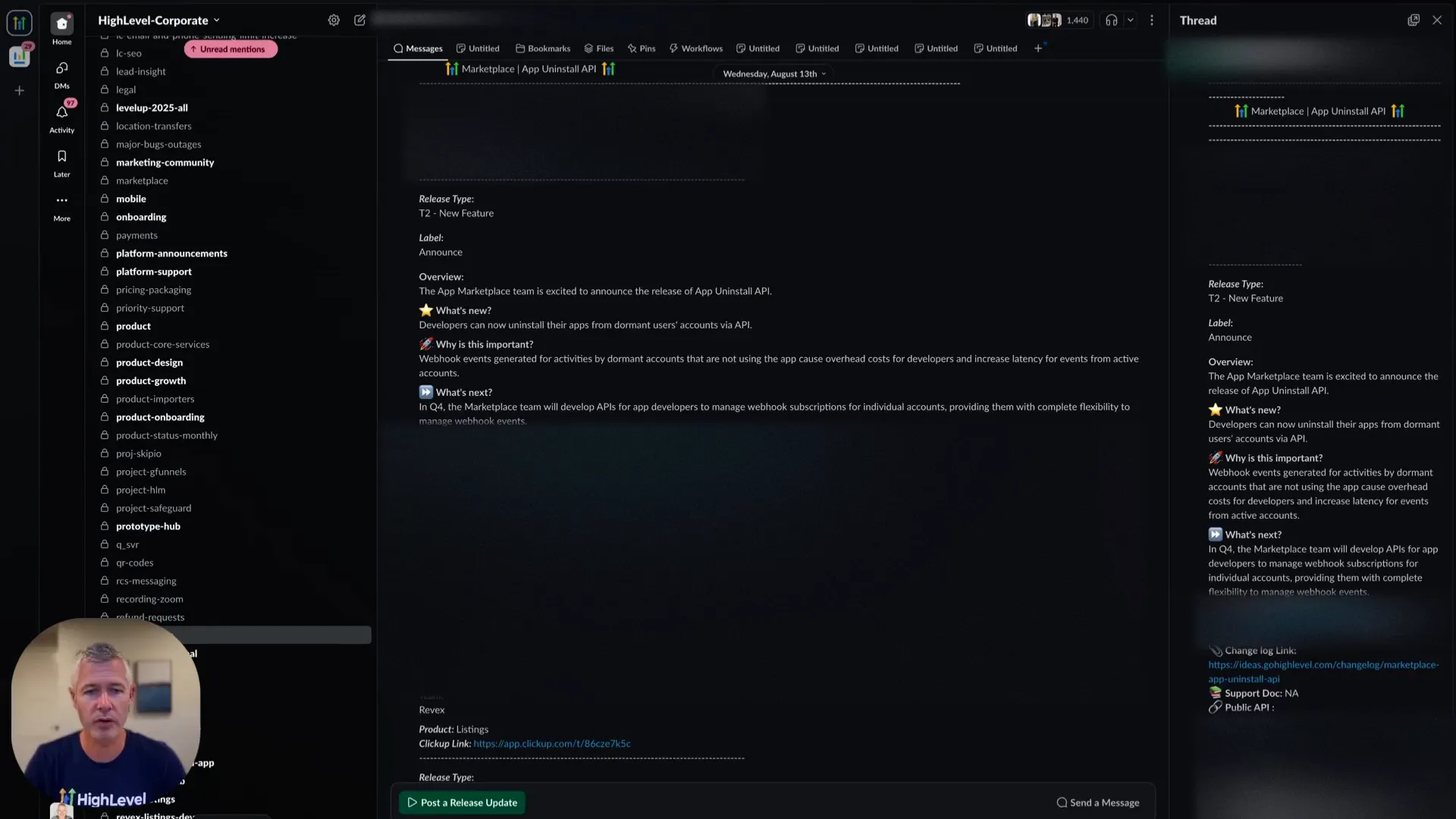
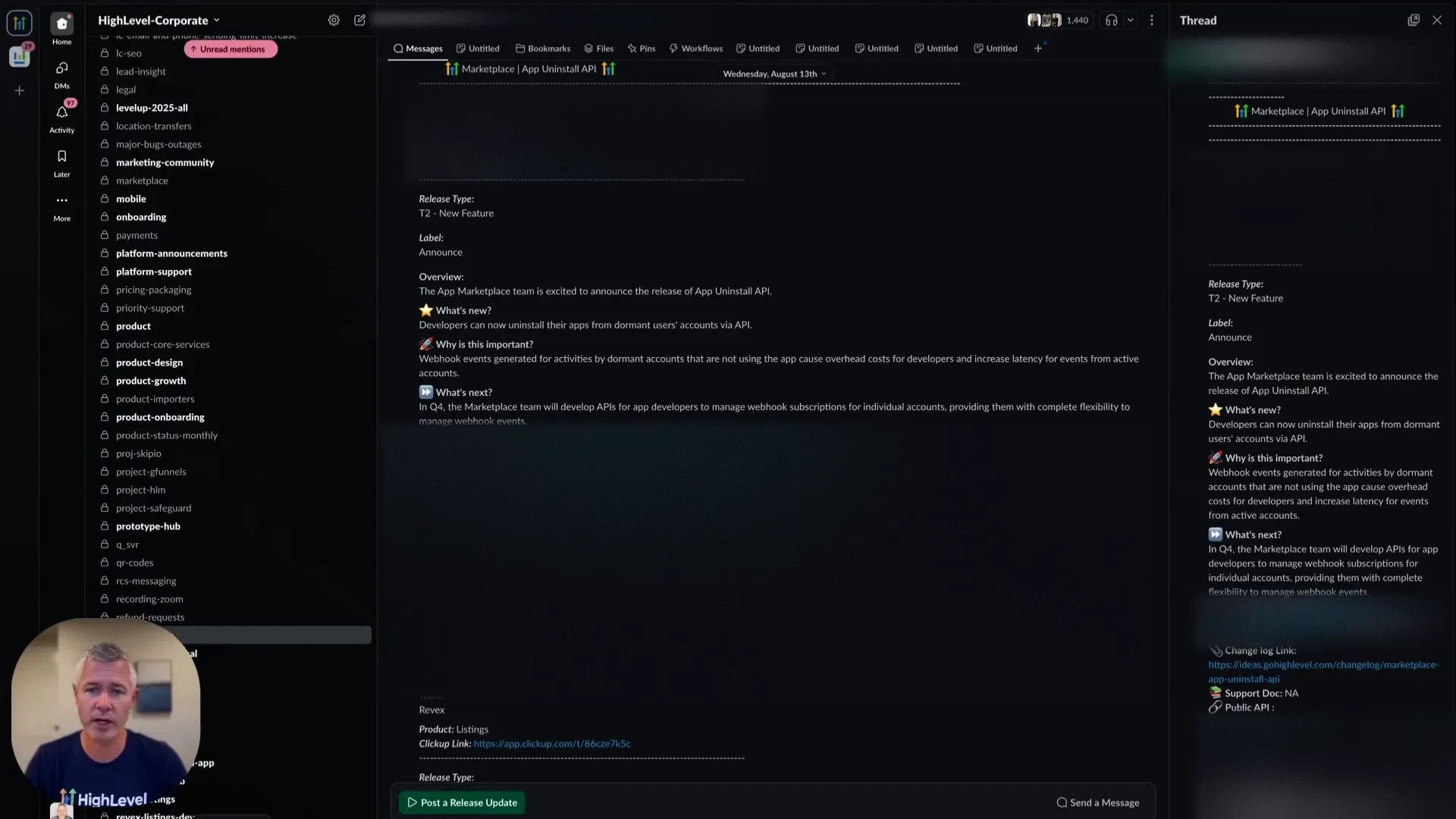
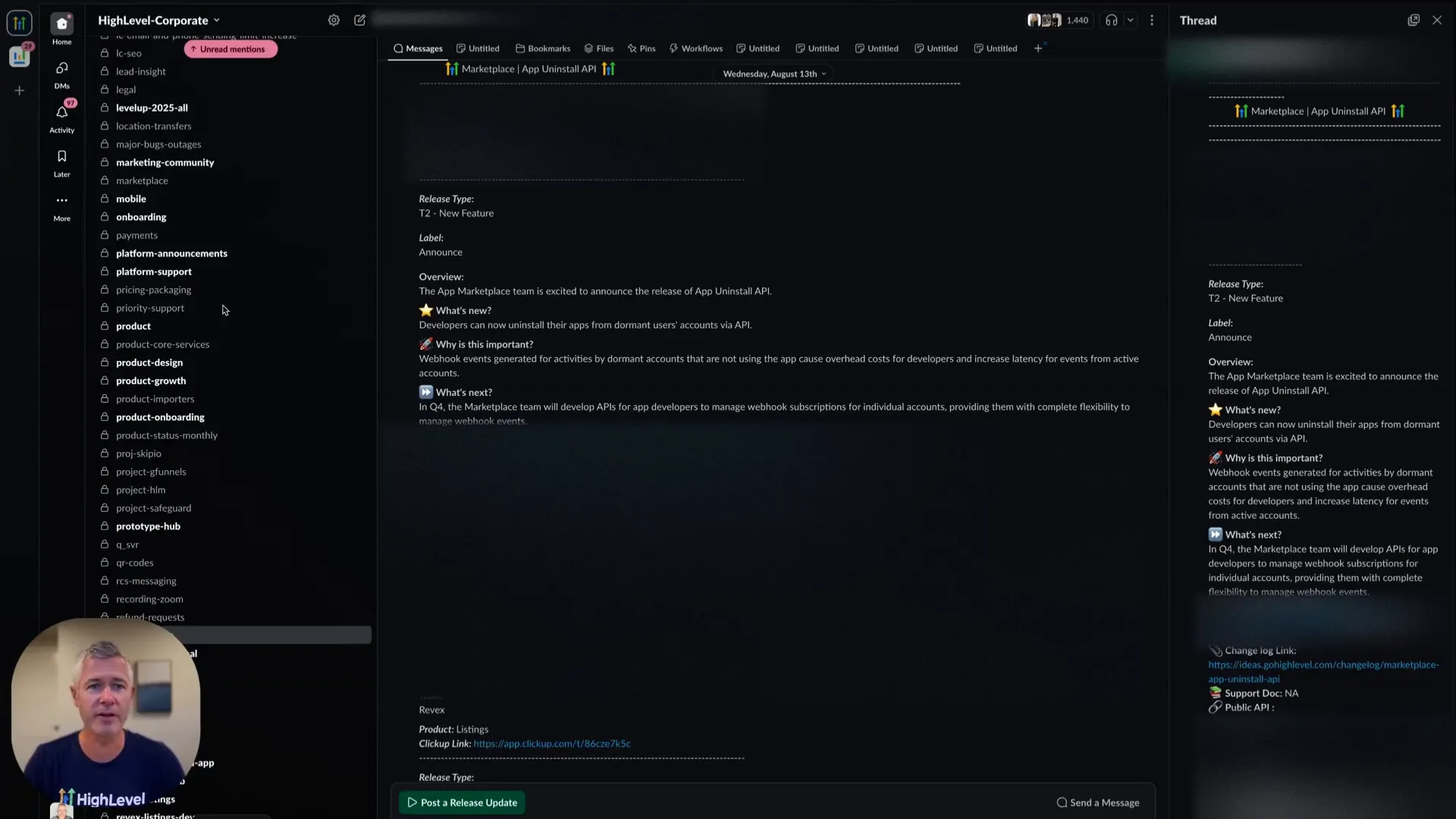
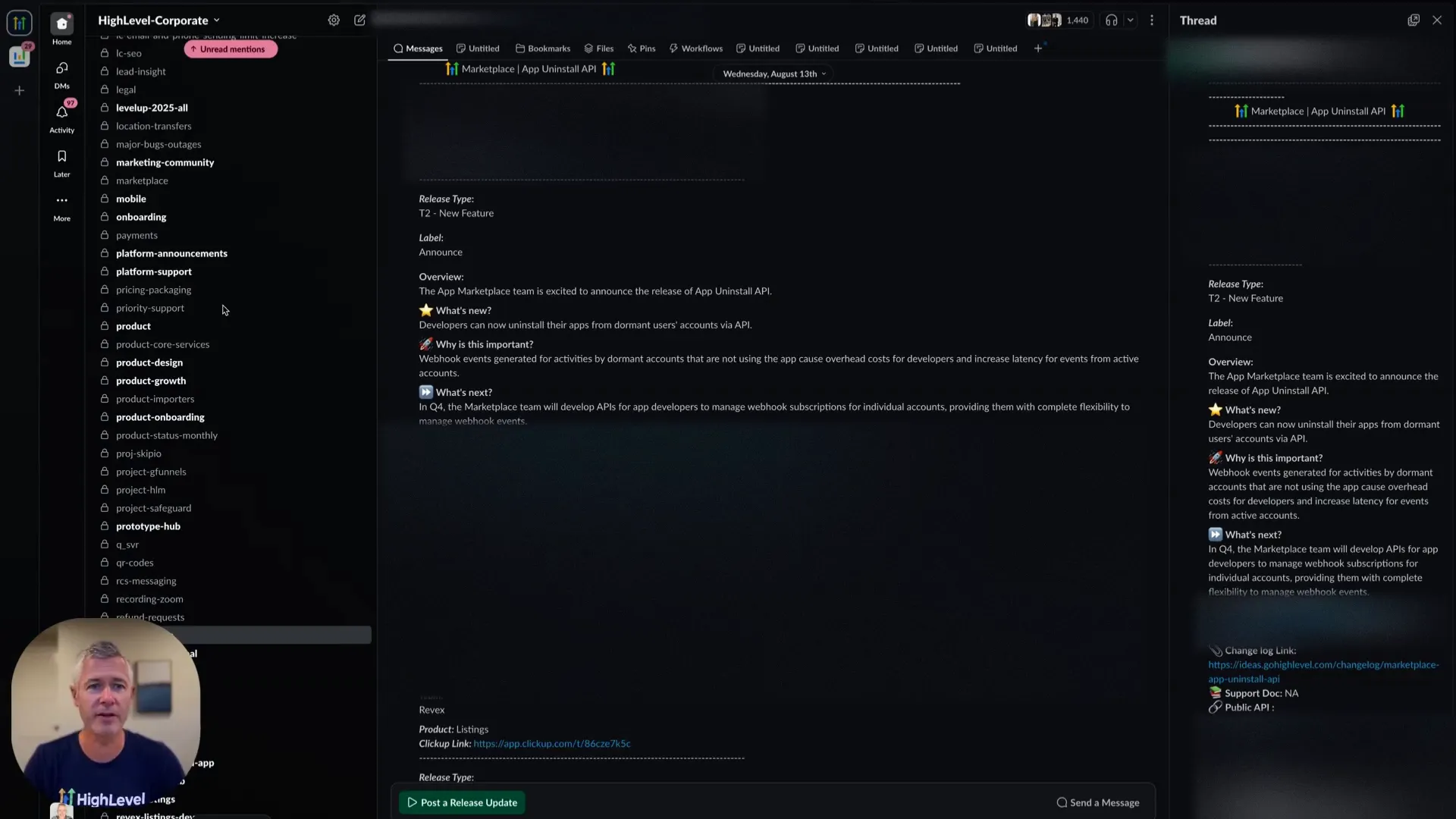
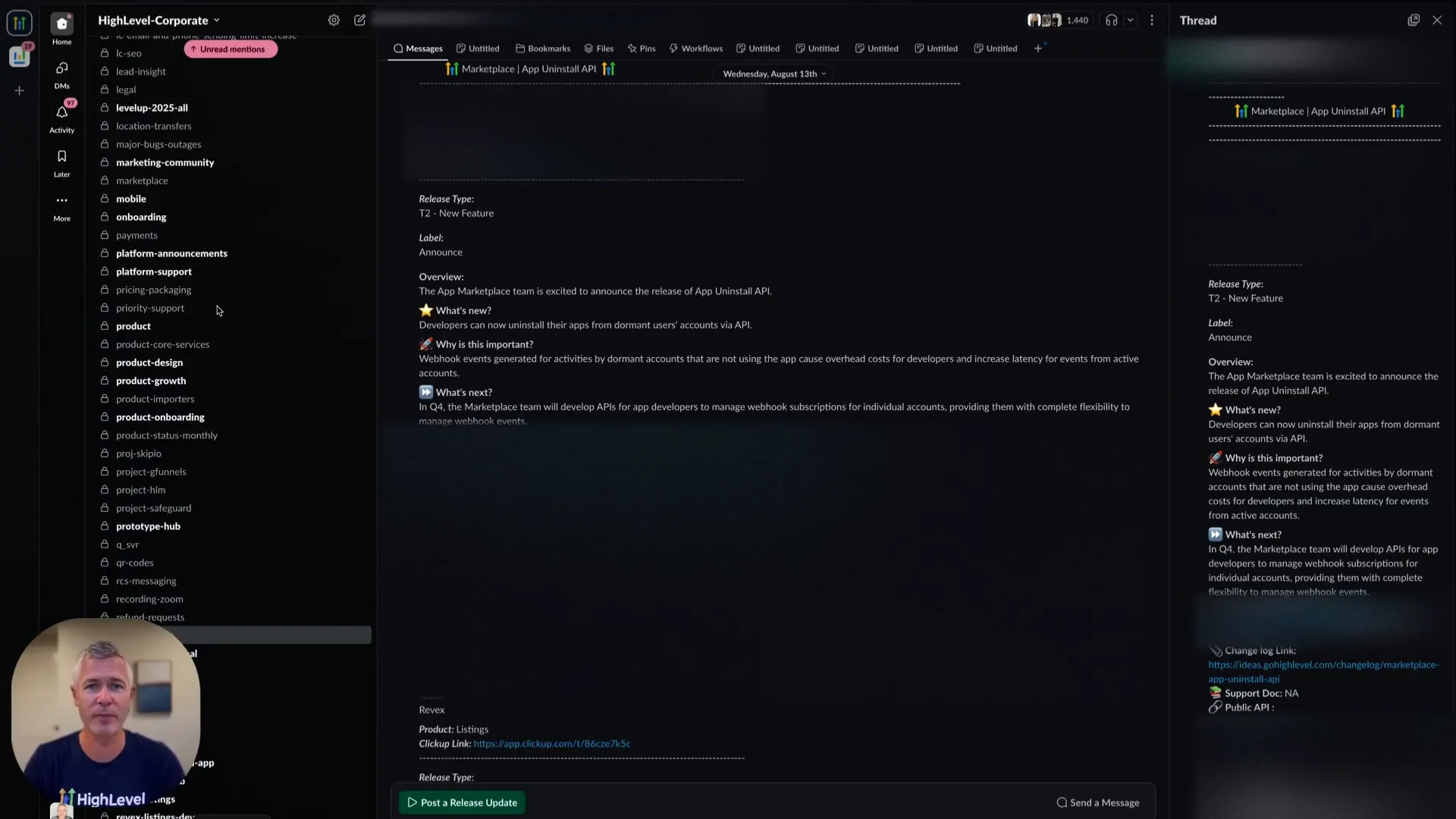
Marketing funnels are the backbone of predictable revenue and scalable customer acquisition. Whether you run an e-commerce store or a local service business, structured funnels turn traffic into leads, and leads into paying customers. In this guide I draw on a concise update from Sean at HighLevel—who highlighted the app uninstall API and the importance of developer-level notifications—to expand on how the right platform can streamline operations, reduce friction, and keep your business responsive to changes.
Lead Connector With GFunnel brings together CRM capabilities, funnel creation, automation, community networking, and real-time analytics into a single system. That means you can design high-converting marketing funnels, automate follow-ups, monitor performance in live dashboards, and collaborate with peers—without switching tabs or stitching together multiple subscriptions. This is a business platform designed to reduce overhead and increase clarity.
In the sections that follow we’ll unpack five strategic themes—automation, personalization, analytics, community networking, and API-driven extensibility—then map them to GFunnel’s feature set. We’ll include practical steps, stats, and case studies showing how businesses use marketing funnels and automation to win more customers. Expect actionable guidance, quotes, and a clear path forward to implement Lead Connector With GFunnel across your organization.
Video Insights: Strategies for Business Success
Sean’s short but sharp announcement focused on a developer-centered tool: the app uninstall API. That message distilled several broader business themes that every entrepreneur should care about. From that announcement, we can extract the following key themes:
- Automation and proactive notifications
- Developer tooling and API-driven integration
- User lifecycle tracking and retention signals
- Operational transparency and fast troubleshooting
- Community and knowledge sharing for faster adoption
Harnessing Automation and Proactive Notifications for Growth
Automation reduces manual tasks and ensures consistent customer experiences. When Sean described the app uninstall API as "designed to let you know as a developer that something's going on," he underscored automation’s role in early detection and proactive responses. Automation is not just about sending emails; it’s about building trigger-based responses that protect revenue and keep customers engaged.
Sean: "Basically, the app uninstall API... it's designed to let you know as a developer that something's going on."
Translate that into business outcomes: automated alerts can trigger win-back sequences, prompt account reviews, or initiate customer-support outreach. For businesses dependent on subscriptions or installed applications, these alerts directly protect revenue by enabling immediate action.
API-Driven Integrations: Build Once, Benefit Everywhere
APIs are the connective tissue of modern business systems. The app uninstall API is a small example of a larger principle: when platforms expose reliable hooks and events, developers and marketers can create sophisticated behaviors across software stacks. Connectors, webhooks, and APIs make it possible to extend functionality, personalize experiences, and maintain a single source of truth for leads and customers.
Sean: "When you get a chance... go to the developer docs and look at the uninstall API."
For entrepreneurs this means less dependency on manual exports and imports, fewer human errors, and faster reaction times—three factors that directly impact conversion and retention across your marketing funnels.
User Lifecycle Tracking and Retention Signals
Understanding where a user is in their lifecycle—new lead, active customer, dormant user—allows you to apply the right messaging. The app uninstall API represents a lifecycle event: a user may be leaving or the app is unused. If your systems can ingest this event, your funnels can trigger built-in re-engagement flows, cancellation surveys, or loyalty incentives.
Lifecycle-aware funnels reduce churn and improve lifetime value. By tracking lifecycle events via APIs and webhooks, you give your funnel stages context-sensitive behavior that helps the right message reach the right person at the right time.
Operational Transparency and Fast Troubleshooting
When an event occurs—like an uninstall—being notified instantly saves hours of detective work. The app uninstall API is a maintenance and monitoring improvement. For businesses, this equates to reduced downtime, faster customer recovery, and a greater ability to learn from patterns in user behavior.
- Immediate alerts reduce the time to resolution
- Structured events create audit trails for product improvements
- Developer-friendly docs shorten the time for integrations and troubleshooting
Community and Knowledge Sharing for Faster Adoption
Finally, announcements like this show a product team listening to developers and sharing updates clearly. In practice, knowledge sharing—via communities, docs, and peer support—is essential for rapid adoption of tools that enhance marketing funnels. Participating in niche communities gives you early access to use cases, integration tips, and best practices.
GFunnel’s Ecosystem Solutions — Turning Themes into Features
Now let’s map each strategic theme to GFunnel’s ecosystem. Each subsection explains how Lead Connector With GFunnel and related features solve the exact problems the video highlights. Whenever appropriate, you’ll find suggested metrics and expected performance impacts to help you prioritize implementation.
GFunnel’s Automation for Proactive Engagement
GFunnel’s automation engine reduces manual work by up to 50% through pre-built and custom workflows that handle lead nurturing, cart abandonment, and churn prevention. Use automation to react instantly to lifecycle events—like an uninstall or a drop in engagement—by building rule-based sequences tied to webhooks and internal triggers.
- Stat: Automation workflows can improve conversion by 20% in nurture sequences.
- Stat: Up to 50% less manual work for sales and support teams thanks to automated processes.
Features include:
- Trigger-based sequences (email, SMS, in-app messaging)
- Conditional branches for personalized customer journeys
- Pre-built templates for cart recovery, onboarding, and retention
CTA: Implement a lifecycle-triggered automation in GFunnel today to reduce manual follow-ups and increase conversion across your marketing funnels.
GFunnel’s Lead Connector With GFunnel for CRM and Funnel Alignment
Lead Connector With GFunnel is the CRM backbone that unifies contact data, funnel performance, and customer interactions. It stores captured leads from landing pages and funnels, applies tags and segments, and triggers automation based on behavior. When paired with developer-facing APIs and webhook events, Lead Connector With GFunnel becomes the central nervous system of your marketing operations.
- Stat: Centralized CRM + funnels typically lead to a 15–25% improvement in follow-up rates.
- Stat: Organizations that align CRM and funnel data see better lead qualification and faster sales cycles.
Use cases:
- Sync funnel conversions to Lead Connector With GFunnel for unified reporting
- Trigger targeted nurture sequences when webhooks report uninstall or dormancy
- Use tags and scoring to prioritize outreach and qualification
CTA: Connect your funnels to Lead Connector With GFunnel to centralize data and act on lifecycle events in real time.
GFunnel’s Real-Time Analytics for Better Decisions
Marketing funnels demand measurement at scale. GFunnel’s real-time analytics dashboard provides live insights into funnel drop-off, conversion rates, and campaign performance. Instead of waiting for batch reports, you can spot issues as they happen—like a sudden uptick in uninstalls—and respond quickly.
- Stat: Real-time dashboards reduce time-to-insight, enabling faster campaign adjustments and potentially improving conversion rates by up to 20%.
Capabilities include:
- Live dashboards for funnels, ads, and payments
- Segmentation-level metrics to compare cohorts
- Custom alerts for abnormal behavior (e.g., spikes in churn or uninstalls)
CTA: Monitor your marketing funnels with GFunnel’s real-time analytics to minimize drop-offs and improve ROI.
GFunnel’s Community Networking for Faster Learning and Growth
One of GFunnel’s distinguishing strengths is its community model. Niche communities (e.g., E-commerce Pros, SaaS Founders, Restaurant Owners) bring actionable peer insights, resources, and mentoring that shorten learning curves for funnels and product integrations.
- Stat: Businesses participating in niche communities report faster solution discovery and implementation by 30%.
Use cases include:
- Sharing funnel templates and best-performing sequences
- Getting rapid answers to integration and webhook questions
- Finding collaborators, affiliates, and mentors inside the platform
CTA: Join GFunnel’s communities to accelerate funnel adoption and cross-pollinate strategies.
GFunnel’s API Integrations for Developer Flexibility
APIs and webhooks like the app uninstall API enable deep integrations. GFunnel supports robust API endpoints and webhooks so you can automate responses, sync data with external tools, and build custom experiences without sacrificing data integrity.
- Stat: With flexible API integrations, teams can automate cross-platform workflows and reduce manual reconciliation tasks by up to 60%.
Examples:
- Link external analytics with GFunnel’s funnels for unified reporting
- Trigger third-party billing or retention processes from GFunnel events
- Use webhooks to power in-house dashboards and alerting systems
CTA: Leverage GFunnel’s API tools to make your marketing funnels reactive and extensible.
Real-World Applications: Case Studies
Below are two detailed case studies showing how real businesses can implement marketing funnels and Lead Connector With GFunnel to drive growth.
Case Study 1: E-commerce Store — Turning Traffic into Repeat Customers
Background: A mid-sized e-commerce store sells specialty home goods. Traffic increases during seasonal campaigns, but conversion rates and repeat purchases are inconsistent. The team wants to increase AOV and lifetime value while maintaining lean operations.
Challenge: The store uses multiple tools—an email provider, a payment gateway, and a separate CRM. Data silos cause delayed follow-up and inconsistent segmentation. Cart abandonments are cured sporadically, and churn after the first purchase is high.
Solution with GFunnel:
- Build targeted marketing funnels for seasonal campaigns using the drag-and-drop funnel builder.
- Capture leads directly into Lead Connector With GFunnel and apply tags based on product interests.
- Automate cart recovery sequences and personalized cross-sell campaigns triggered by purchase data.
- Monitor funnel performance on real-time analytics to iterate on copy and offers quickly.
Outcomes:
- 20% uplift in cart recovery conversions within 30 days
- 15% increase in repeat purchases through segmented post-purchase flows
- Reduced operational overhead by 40% thanks to automation and unified data
"GFunnel’s automation saved our store hours every week—now we focus on new products, not manual follow-ups." — E-commerce Owner
CTA: Build your next seasonal marketing funnels with GFunnel and measure results in real time. Visit GFunnel’s funnel builder: https://www.gfunnel.com/funnel-home for templates and quick starts.
Case Study 2: Local Restaurant — From Orders to Loyalty
Background: A neighborhood restaurant wants to improve repeat business and streamline online orders. They previously relied on third-party marketplaces that limited direct customer relationships.
Challenge: Marketplace commissions were eating margins, and customer data was scattered. Loyalty programs were primitive, and there was no effective way to re-engage customers who stopped ordering.
Solution with GFunnel:
- Deploy a restaurant ecosystem using GFunnel’s built-in online ordering and Call Net Capture to collect customer contact data.
- Create marketing funnels that onboard new customers with a special offer and then nurture them into a loyalty program.
- Use automation to send post-order follow-ups, feedback requests, and targeted offers for birthdays or special events.
- Monitor engagement and ordering patterns using real-time analytics to tweak menu offers and promotions.
Outcomes:
- 30% increase in direct online orders vs third-party platforms within 60 days
- 20% improvement in repeat order frequency from automated loyalty campaigns
- Operational savings regained through reduced marketplace fees and improved retention
"Our direct orders doubled after switching to GFunnel's restaurant ecosystem—loyalty and automation make all the difference." — Restaurant Manager
CTA: Restaurants should explore GFunnel’s restaurant tools and CRM at https://www.gfunnel.com to reduce commission costs and own customer relationships.
Why GFunnel Leads: A Comparison to Traditional Methods
GFunnel is more than a funnel builder. It’s an integrated business platform that consolidates funnels, CRM, automation, analytics, and community into a single environment. For many businesses, this reduces friction and costs compared to using fragmented point solutions.
Traditional Business Tools vs. GFunnel’s Ecosystem
Traditional methods often rely on multiple vendors for landing pages, email, CRM, analytics, and community. GFunnel packages these capabilities in one platform with modern developer tools and fast performance, including the web worker-driven autosave that operates at 103ms—28x faster than legacy autosave approaches.
CTA: Compare your current stack to GFunnel’s integrated approach and calculate the time savings and potential conversion gains—then test a funnel migration to see results quickly.
Implementation Roadmap: How to Start Using GFunnel for Marketing Funnels
Getting started with GFunnel and Lead Connector With GFunnel is straightforward. Below is a recommended 90-day roadmap to implement marketing funnels, automation, and analytics.
- Week 1–2: Audit current tools, map your ideal funnel, and identify key touchpoints (ads, landing pages, email).
- Week 3–4: Create a high-priority funnel (e.g., lead capture > nurture > sale) in GFunnel’s funnel builder and connect Lead Connector With GFunnel to centralize contacts.
- Month 2: Build automation sequences for onboarding and cart recovery, including conditional branches and personalization variables.
- Month 2–3: Set up real-time dashboards and alerting for critical funnel metrics; enable webhooks and API integrations for lifecycle events.
- Ongoing: Join GFunnel’s niche communities to learn best practices, share templates, and iterate based on analytics.
CTA: Start your 90-day funnel transformation by creating an account: https://www.gfunnel.com/create-account
Community Call — Connect, Learn, and Grow
Marketing funnels improve faster when you learn from peers. GFunnel’s communities are a direct channel to find proven templates, integration tips, and mentors. Whether you are focused on e-commerce, SaaS, or local services, joining a relevant community reduces trial-and-error and accelerates implementation.
Suggested communities: E-commerce Pros, SaaS Founders, Restaurant Owners. Explore community listings at https://www.gfunnel.com/communities
CTA: Connect with E-commerce Pros and share your funnel results—discover what works and scale faster.
Interactive Element
Looking for a self-assessment? Try GFunnel’s "Test Your Business Growth Potential" quiz inside the platform to prioritize which funnels and automations will deliver the best ROI for your business. Start with GFunnel’s exploration portal: https://www.gfunnel.com/explore
Related Content
- Scale Restaurants with GFunnel — https://www.gfunnel.com (restaurant ecosystem resources)
- Build marketing funnels with GFunnel — https://www.gfunnel.com/funnel-home
- Automate business operations with GFunnel — https://www.gfunnel.com/automation-home
Conclusion and CTA
Marketing funnels are essential to consistent growth, but they’re most effective when supported by automation, analytics, and a connected ecosystem. Sean’s message about the app uninstall API highlights a broader truth: you need systems that talk to each other and alert you when action is required.
Lead Connector With GFunnel offers a practical, integrated answer: build marketing funnels, centralize leads, automate lifecycle responses, and monitor performance in real time. From faster autosave (103ms) to community networking and developer-friendly APIs, GFunnel reduces friction and helps you act faster on the signals that matter.
Small business owners, e-commerce entrepreneurs, and marketers: take the next step. Explore GFunnel’s tools, create your first funnel, and connect your CRM to see immediate benefits. Visit GFunnel’s homepage to learn more: https://www.gfunnel.com
CTA: Ready to build better marketing funnels? Begin your trial, explore templates, and connect with peers at GFunnel today: https://www.gfunnel.com/create-account
FAQs
Appendix: Practical Checklist for Funnel Builders
- Define the funnel stages: awareness, consideration, decision.
- Create landing pages with clear CTAs using GFunnel’s drag-and-drop funnel builder.
- Connect landing page captures to Lead Connector With GFunnel for centralized lead storage.
- Build automated nurture sequences with personalization tokens and conditional branches.
- Set up real-time dashboards and alerts for key funnel metrics.
- Use webhooks and APIs to trigger off-platform actions and lifecycle management.
- Join GFunnel communities and iterate based on peer feedback and analytics.
Final Thoughts
Marketing funnels are more powerful when they are part of a unified business platform. Lead Connector With GFunnel helps you centralize contact data, run advanced automation, monitor performance in real time, and collaborate within specialized communities. Whether you are protecting revenue with lifecycle-triggered responses—like the app uninstall webhook Sean described—or optimizing a seasonal campaign, GFunnel gives you the tools to act fast and scale effectively.
Start building smarter marketing funnels today. Learn more about GFunnel’s features: https://www.gfunnel.com/features (see platform capabilities), review pricing and plans at https://www.gfunnel.com (affordable plans and trial options), or create your account to get hands-on at https://www.gfunnel.com/create-account.